

Top Pigment
Phthalocyanine Blue Green Shade
PB15:3
Alternate Names
Phthalo Blue Green Shade
Berlin Blue
Moastial Blue
Monastral Blue
Thalo Blue
Phthalo Blue (G
NC)
Pigment Description
The secret to sparkling transparent blues. Phthalo Blue, PB15 contains several sub-variants, and PB15:3 is one of the most important pigments for artists. Though some may find it overpowering for general use, there is currently no better way to achieve high chroma cyans.
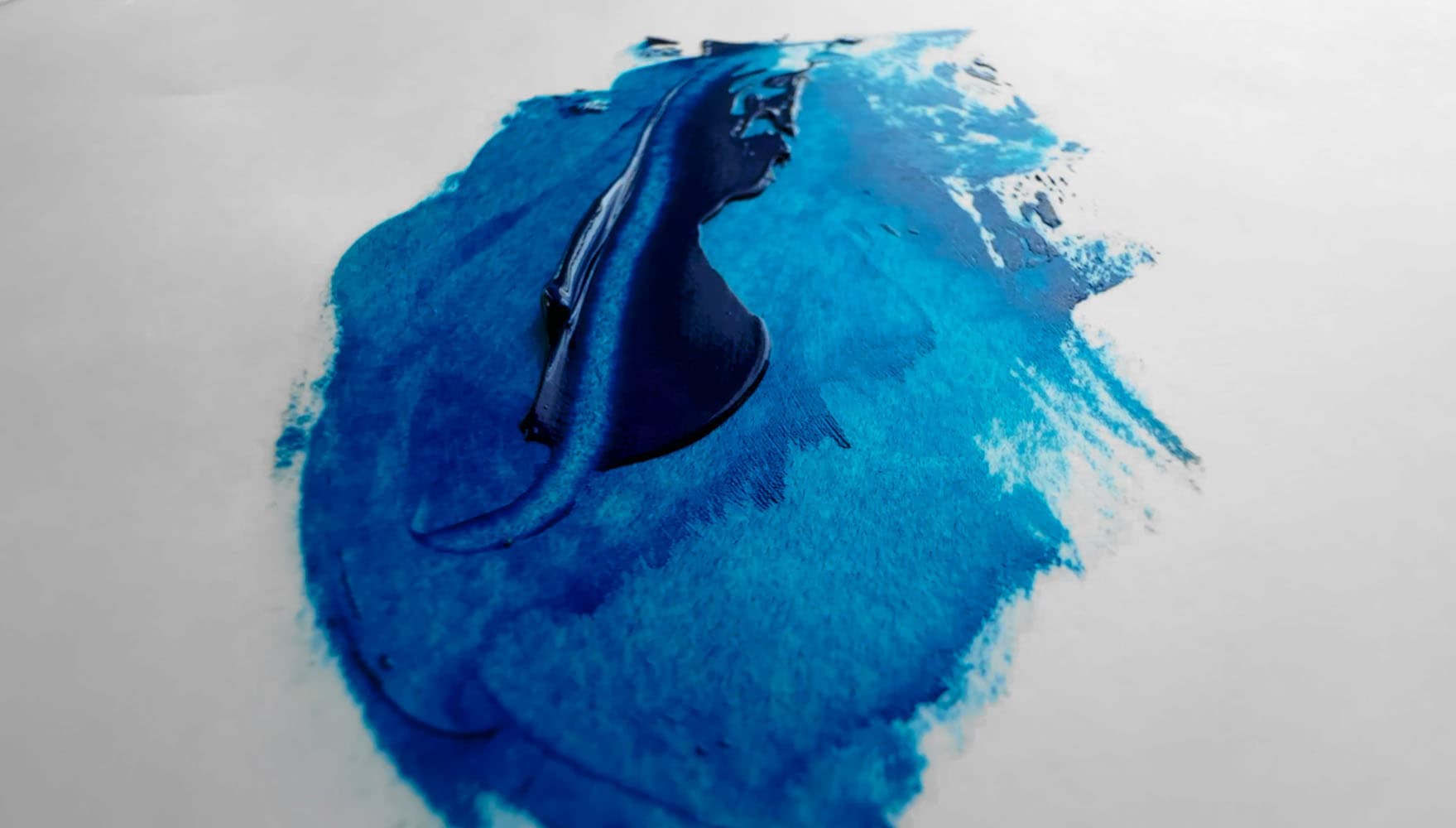
Vasari Phthalo Blue Green Shade, PB15:3
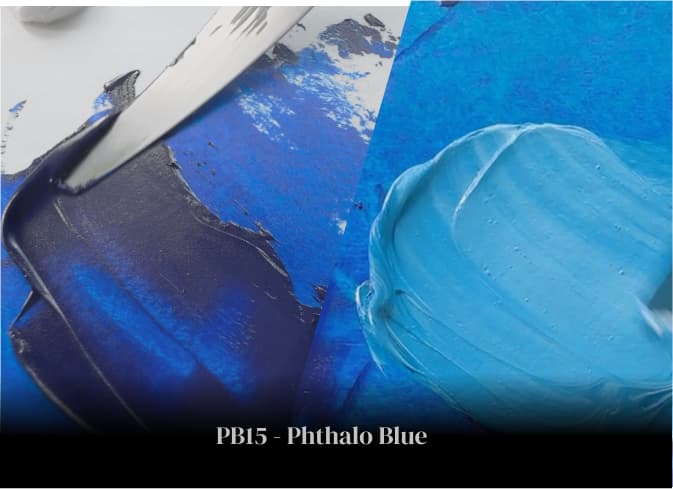
When opaque, Phthalo Blue Green Shade is practically black. With just a little green it makes glacial teals and turquoises. In tints its lilting cyans make stunning sky blues.
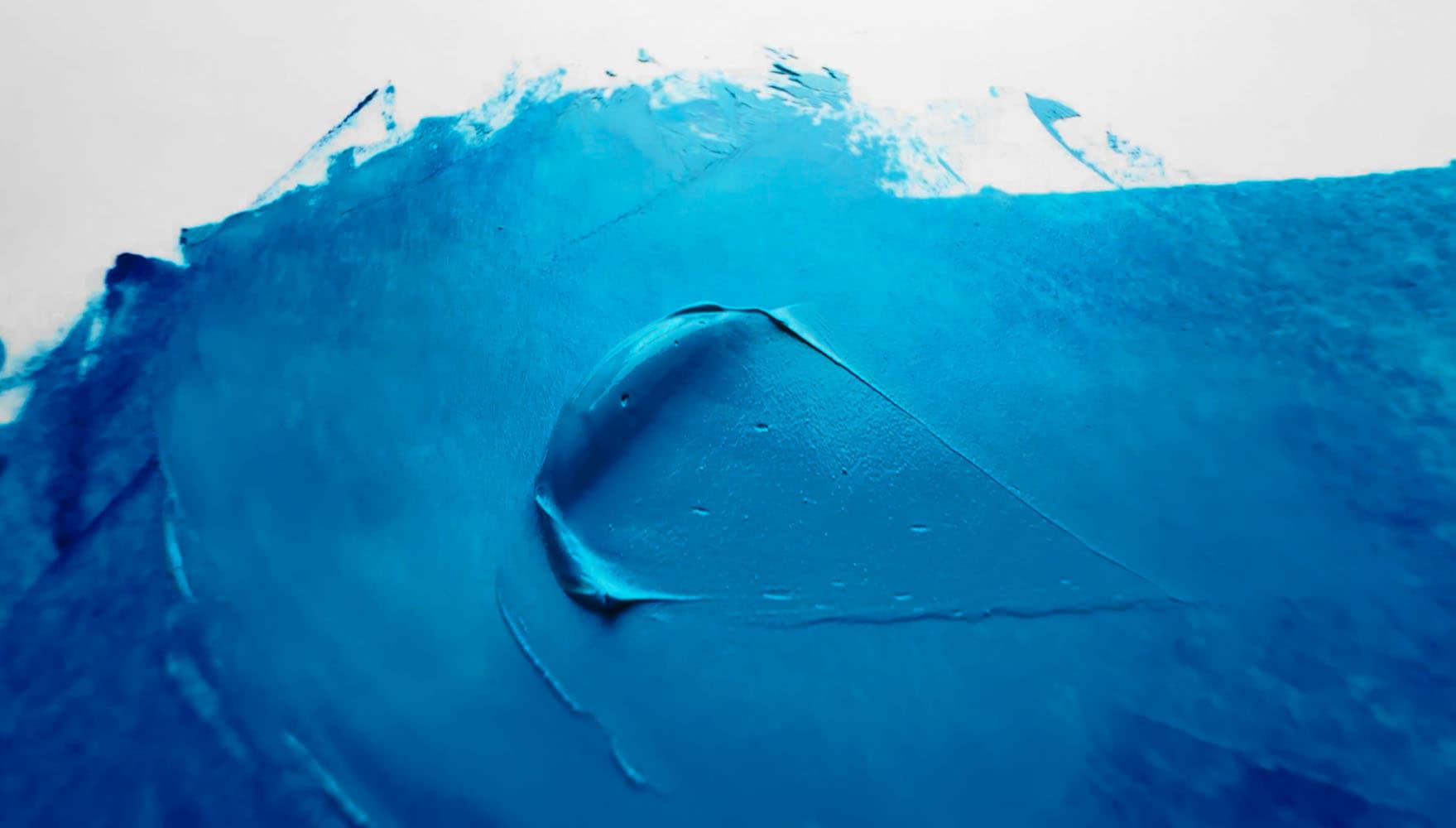
Bright cyan in tints. Vasari Phthalo Blue Green Shade, PB15:3 creates chromatic mixes with white, PW6
This versatile powerhouse blue is a painter’s essential. Phthalo Blues are grouped into Phthalo Blue Red Shade and Phthalo Blue Green Shade, and PB15:3 is the main pigment associated with the Green Shade. It is also known as Phthalocyanine Blue BGS, Phthalo Blue Green Shade or just Phthalo Blue Green Shade.
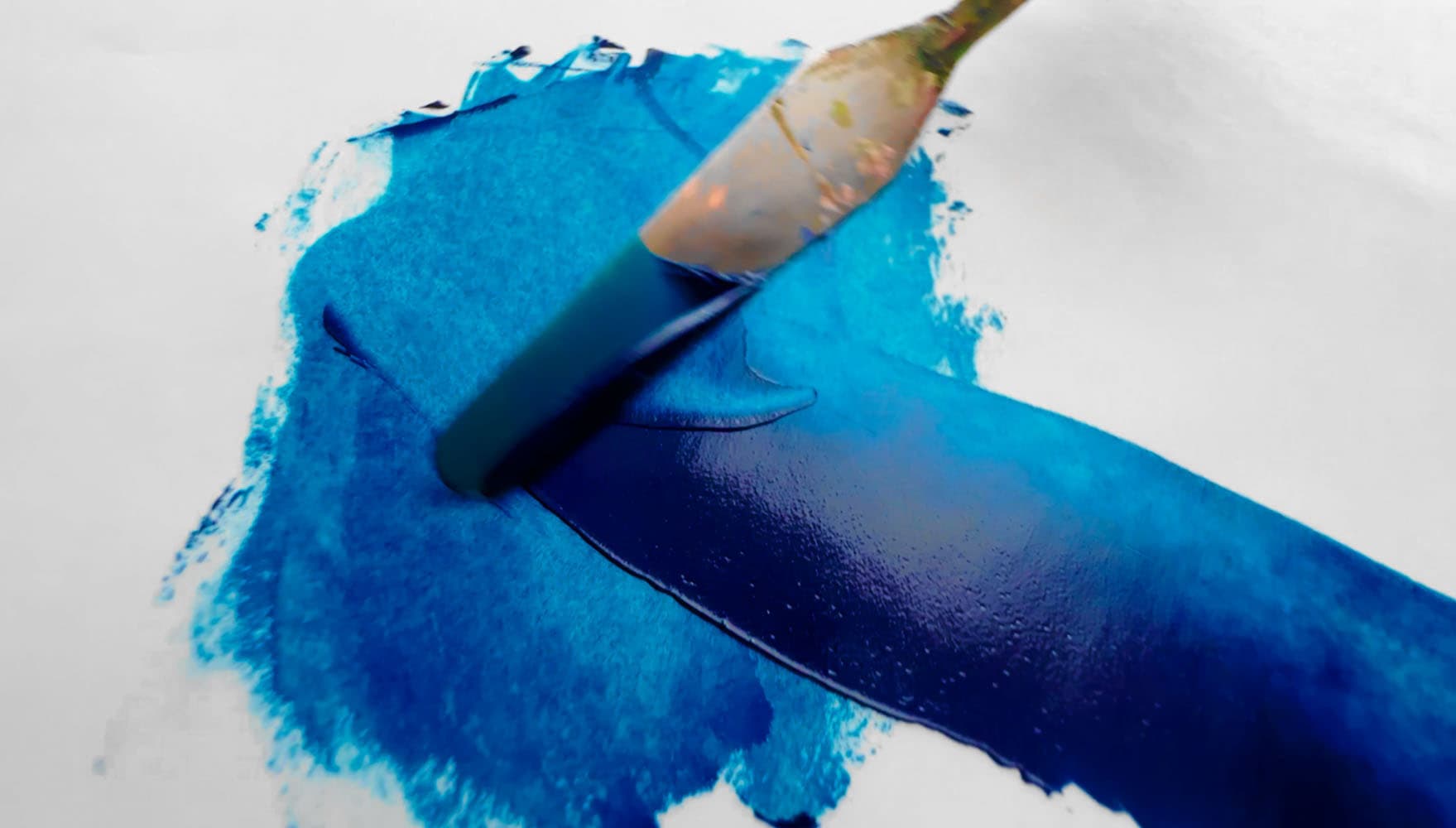
Vasari Phthalo Blue Green Shade, PB15:3. This particular Phthalo Blue feels somewhat extended, and glazes readily without the addition of painting mediums.
Some may find the strength of Phthalo Blue overwhelming. We've heard in regard to phthalos in general that the pigment is so strong that the pigment itself is extended. Some brands find a way to tame the phthalo a bit, as Vasari seems to have done here. This is a particularly workable phthalo version.
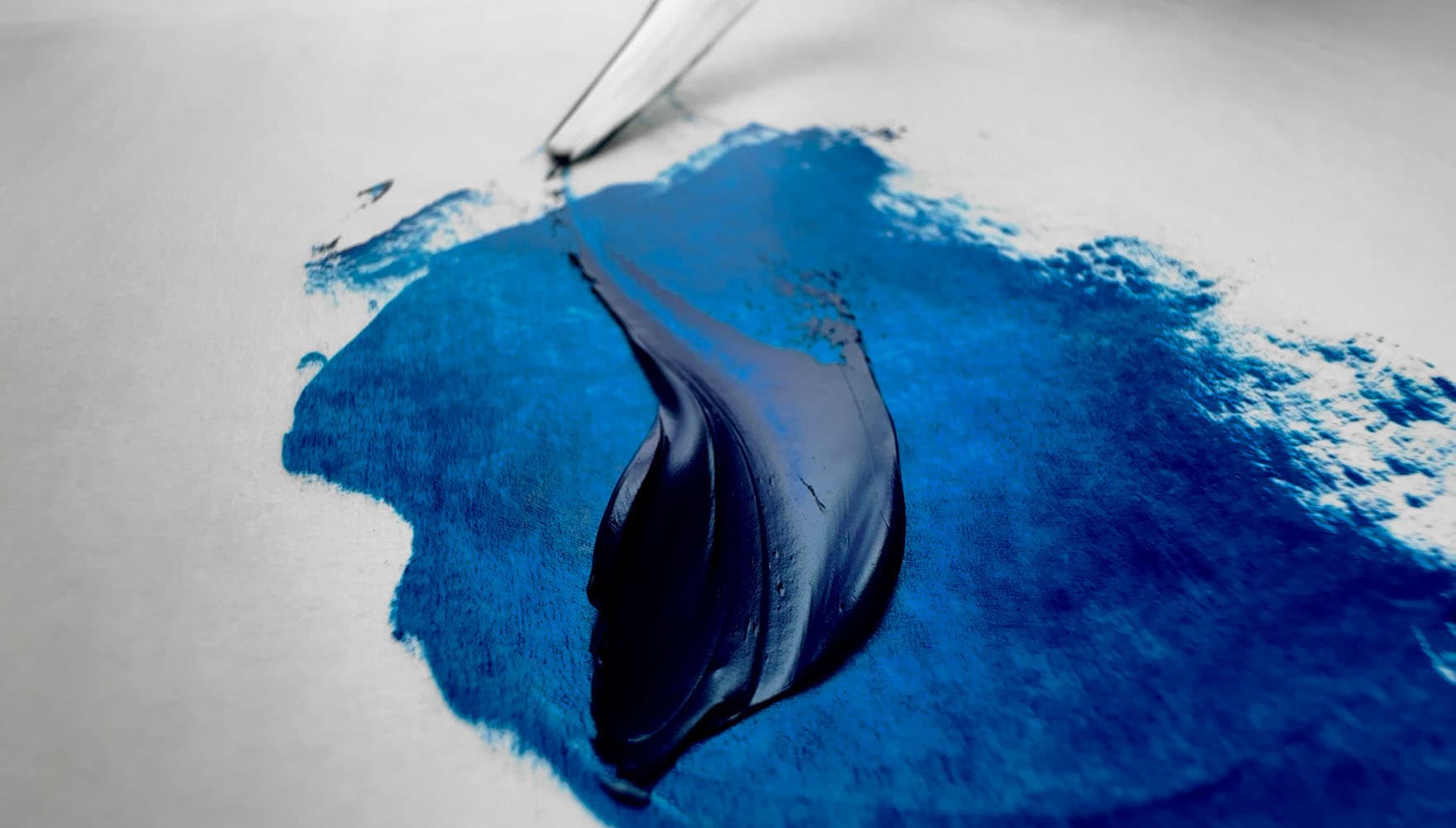
Old Holland Scheveningen Blue, PB15:3
Like other phthalo blues it is not considered to be toxic, but most painters are not aware that Phthalo pigment may contain toxic contaminants. Specifically, some phthalo pigment can be contaminated by PCBs or dioxins depending on the country and method of manufacture. See Monona Rossol’s work for more.
A particular hazard is presented by older tubes (in some cases as late as 1986) since the manufacture process included the potential for serious toxins. So we steer clear of older phthalos in general. We aren't experts in health and safety though. Monona Rossol's work contains more on this topic.
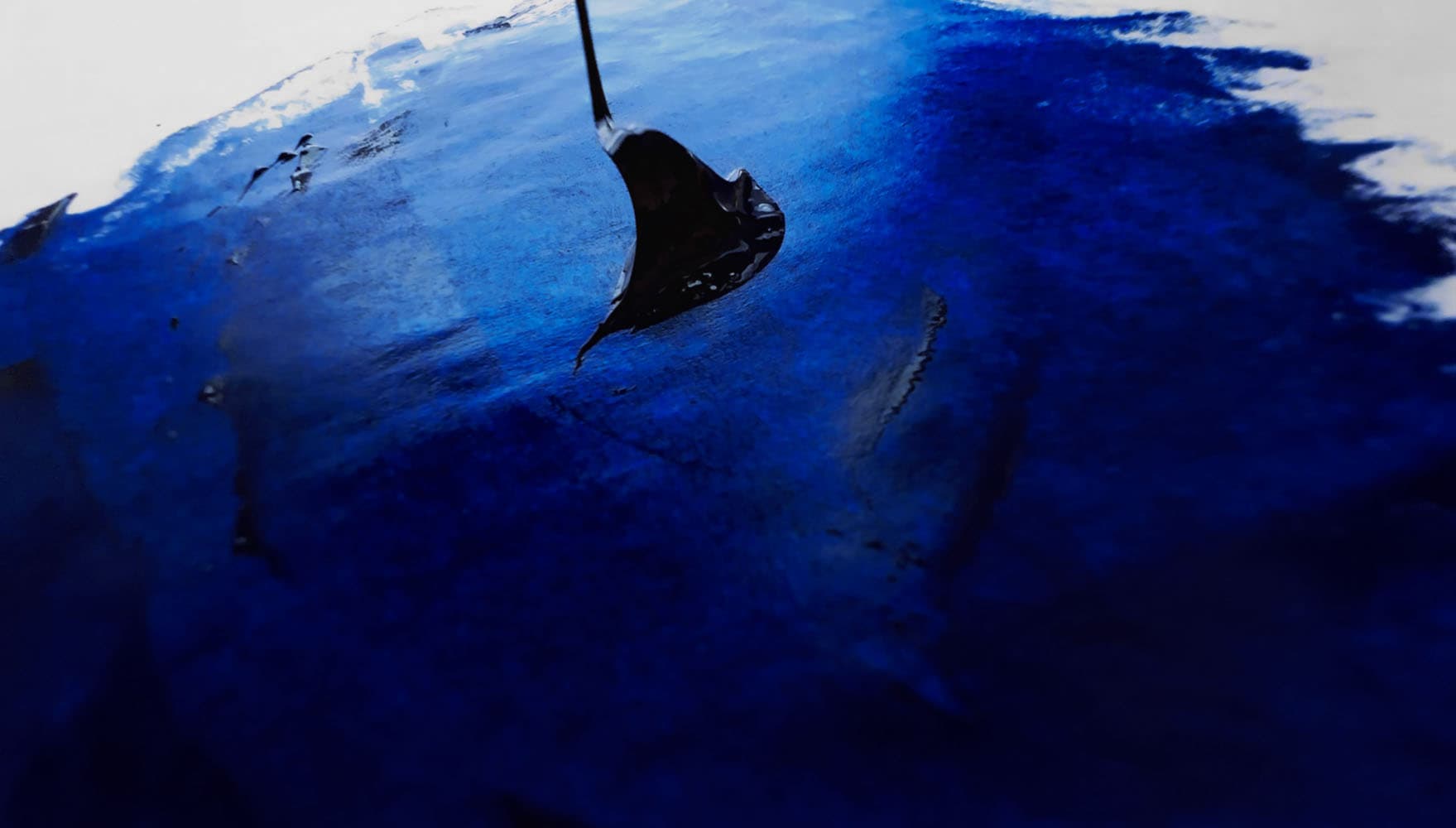
Michael Harding Phthalo Blue PB15:3
This variety of phthalo is made from the "b form" of 74160. This makes the best cyans and teals.
Depending on the manufacturer, lightfastness is either excellent or decent in tints.
Recently, Golden Artist Colors (makers of Williamsburg oil paints) undertook some interesting lightfastness research on oil paints regarding how pigments react in various mixing white colors.
Phthalo Blue performed excellently in most mixing whites. However, a notable exception occurred in two of the off-the-beaten-path white colors, which is good to be aware of. One was Flake White (Lead White, PW1 and pure Zinc White, PW4 and in those its lightfastness tanked.
When mixed with standard single-pigment Titanium White, PW6 Phthalo Blue had excellent lightfastness in oils.
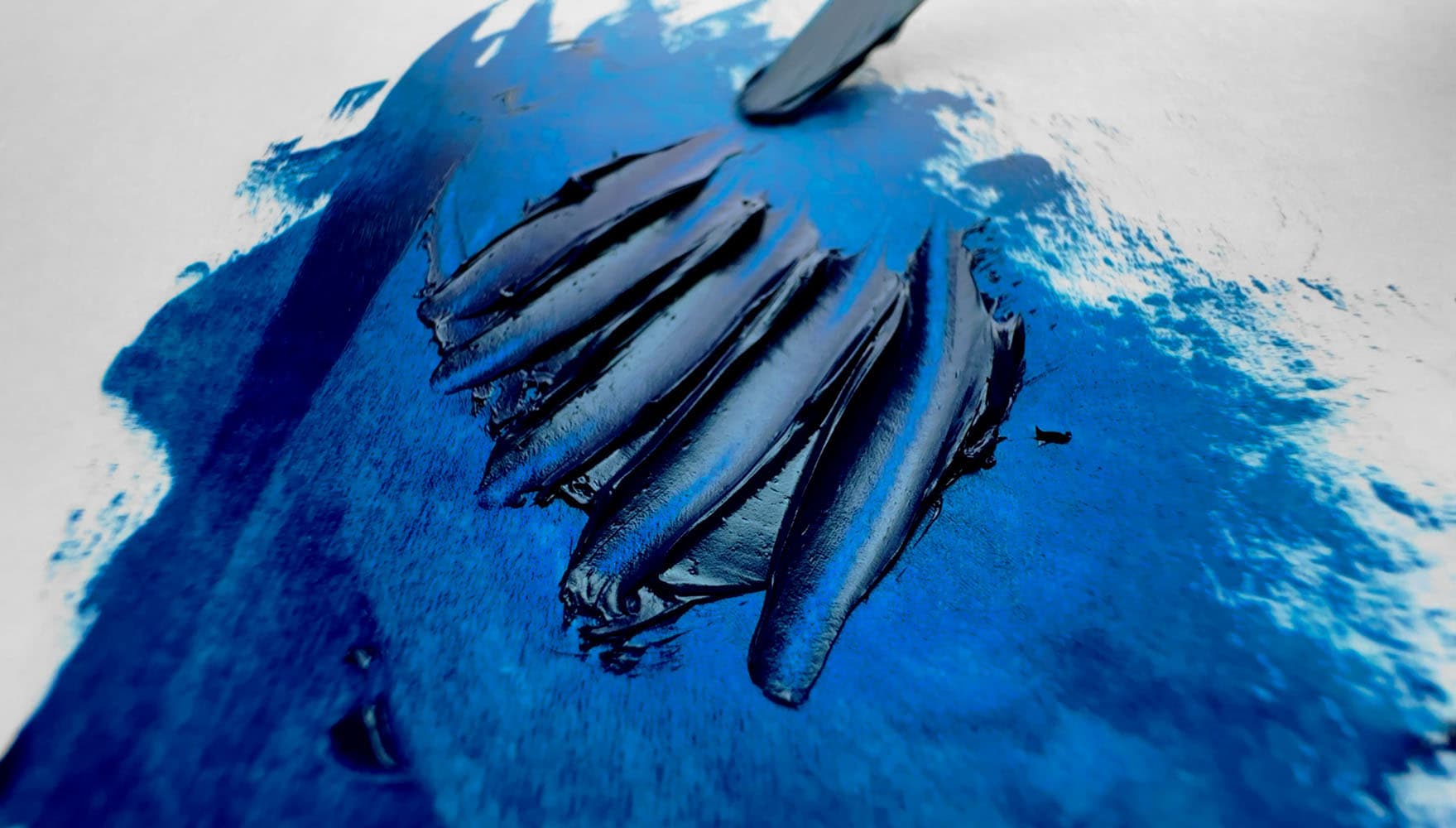
Old Holland Scheveningen Blue, PB15:3
Many Phthalo Blue versions will look super-intense in masstone, like this Michael Harding version. However when tinted with white, these colors tend to open up quite similarly to one another. You can find a Phthalo Blue comparison in our article section.
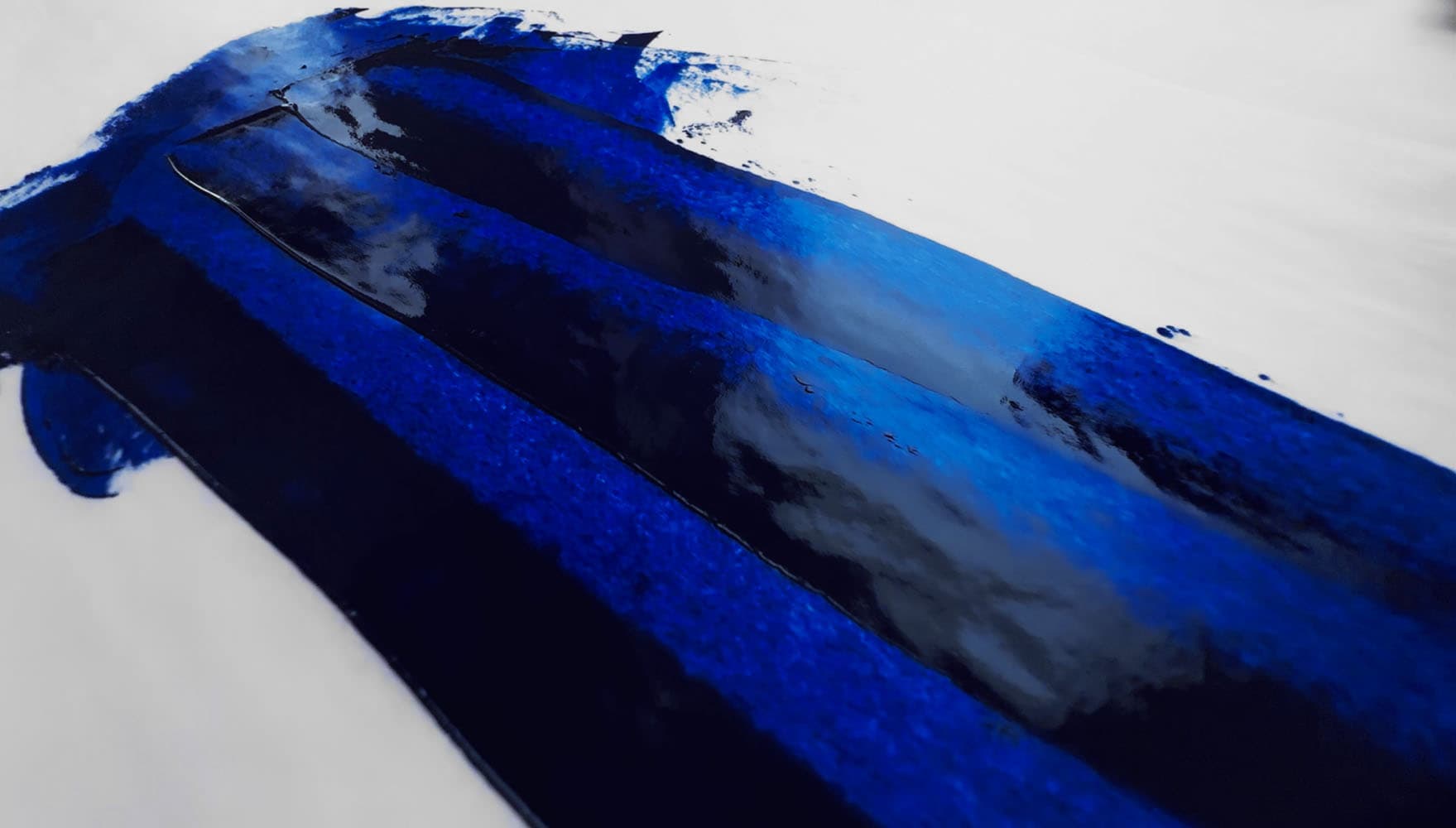
Michael Harding Phthalocyanine Blue Lake, PB15:3
Resources
PB15:3 pigment data from David G. Myers, The Color of Art Pigment Database, Artiscreation.com
Spurgeon, Tad. Living Craft: A Painter's Process. Mt. Airy, Philadelphia, PA: Zoetrope, 2018. Newer version available here: https://www.thomaskitts.com/page/36804/tad-spurgeons-living-craft
Elliott, Virgil. Traditional Oil Painting. Echo Point Books & Media, LLC, 2019. https://amzn.to/4nwIdzq
Information about PB15:3 from Bruce MacEvoy, Handprint Guide to Watercolors, General information about this class of pigments from Handprint
CAMEO Materials Database: Conservation & Art Materials Encyclopedia Online, Museum of Fine Arts Boston. (Accessed June 2025). Phthalocyanine Blue https://cameo.mfa.org/wiki/Phthalocyanine_blue. Museum of Fine Arts Boston
Rossol, Monona. The Artist's Complete Health and Safety Guide. New York, NY : Allworth Press, 2001. The book is rather dated, updated information is available from her website
Ambrose, Trevor (2023, September 24). ASTM Lightfastness Testing for Oil Paints https://justpaint.org/astm-lightfastness-testing-for-oil-paints/. Just Paint, Golden Artist Colors.
Read an in-depth article
Stats
Lightfastness
Excellent. May vary in watercolor
Lightfastness in oils tends to be excellent. This may vary though depending on the pigment supplier. More information on its lightfastness in watercolor can be found on Handprint. In Golden’s Lightfastness Testing on the effect of various mixing whites, Phthalo Blue tended to perform very well but there were a few notable exceptions. It tanked in Flake White in Linseed oil, which may be partially influenced by brand, as well as pure zinc white. Their particular pigment performed at ASTM I - Excellent in Titanium White in Linseed oil, Lithopone, and Flake White in Safflower Oil. Detailed results for Golden’s watercolor version of PB15:3 can be found here
Transparency
Transparent
Almost black in masstone, this creates some of the most vibrant cyan tints and glazes
Toxicity
Previously thought to be in the category of Lower Concern, but may contain contaminants
Tubes made before 1982 or even 1986 may contain PCBs or dioxins. Current phthalos may also contain toxic contaminants depending on country of manufacture or other variables. Treat all pigments and paints with studio safety protocols. Please see the Artist's Guide to Health and Safety for information about the hazards associated with copper pigments. The author's most recent updated writing can be found through her site.
Tinting
Extremely strong
One of the most powerful tinters. This color is one where it is almost always sold with extenders just to make the paint more usable.
Dry Time
Slow or Very Slow
Naturally slow or very slow (6-18 days). Many varieties dry in less than 5 days and are likely to contain driers.
Oil Content
Medium
Sources vary, but as a pigment it has a medium amount by volume. Some sources say when it is made into a paint, its oil by volume leans toward high. By weight, Artiscreation lists a wide range of approximately 45-84g/100g of oil, but your pigment may have different requirements. Weight ratios are a more dialed-in way to go about paintmaking, but volume ratios are more helpful for visualizing relative amounts, since pigments vary in weight.
Chemical Name
Beta Copper Phthalocyanine
C₃₂H₁₆CuN₈
DISCLAIMER: Please note that we are not experts in health and safety and we are not toxicologists, please consult the proper experts. We are not liable for any issues that may arise from the use of our website or its contents. The information contained in this site is provided without warranty or guarantee of any kind. We do not necessarily endorse any other website that are linked from our site. For any important pigment specs, please reference the manufacturer details. If you discover errors or omissions, please reach out through our contact form. Thank you.
