

Top Pigment
Nickel Antimony Titanium Yellow Rutile
PY53
Alternate Names
Nickel Titanate Yellow
Nickel Titanium Yellow
Nickel Titanium Oxide
Pigment Description
A mysterious yellow which can range from pale warm yellow to greenish yellow, and is a common inclusion in Naples Yellow Hue blends. When used as a single-pigment, this is one of our favorite lemon yellows (we have several but the others are more toxic- so this one is a better alternative). Some brands, such as Schmincke's watercolor line, actually include two different versions of this pigment-- one a warm pastel beeswax-colored pigment, the other an enchanting pastel yellow that leans a bit greenish. Perhaps it mixes is where PY53 truly shines. Nickel Titanate Yellow is one of the unsung heroes of the paintbox and is quite underrated.
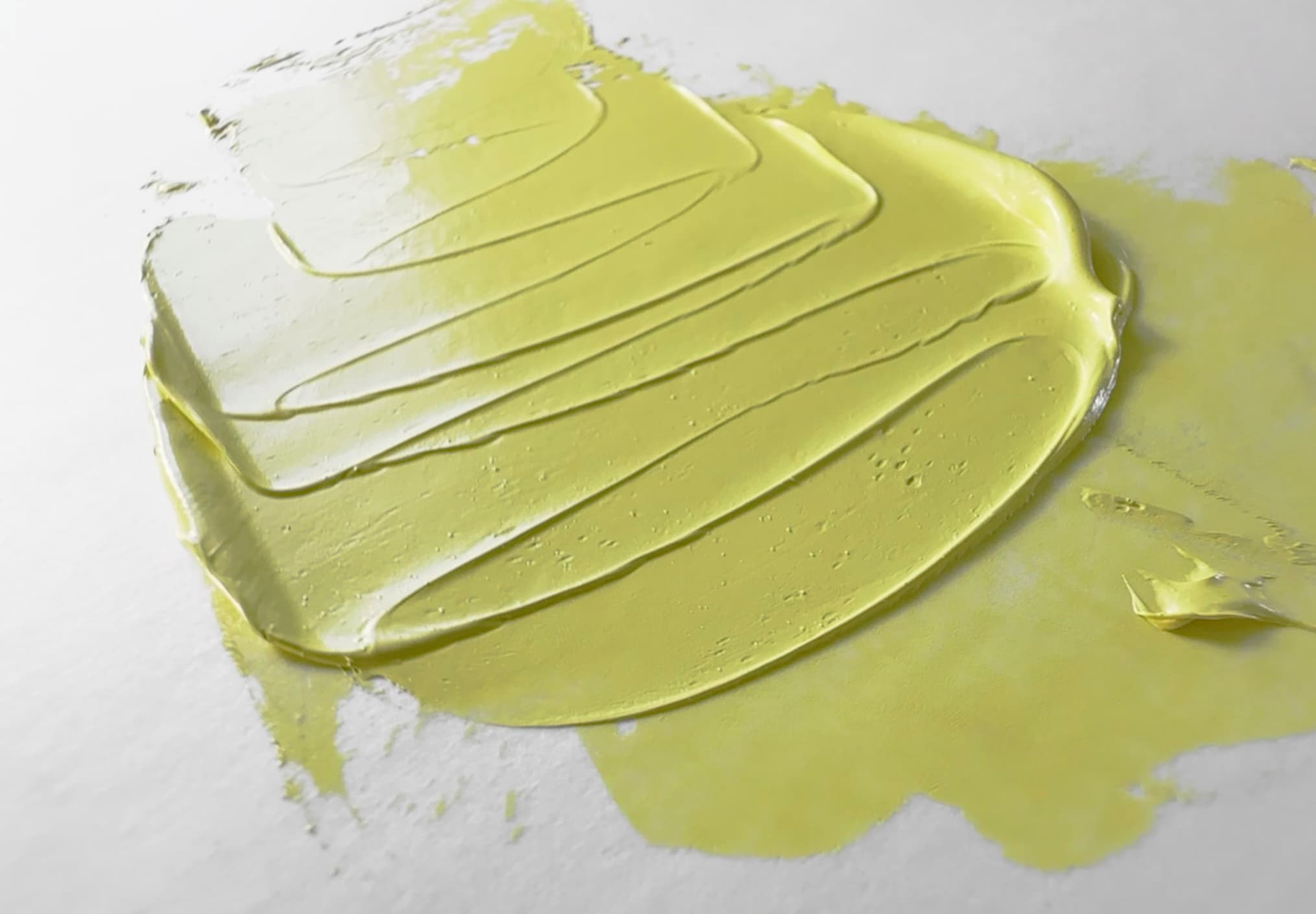
Williamsburg Nickel Yellow, PY53
Nickel Titanate Yellow is extremely useful for making lower chroma colors. Nickel Antimony Titanium Yellow Rutile or Nickel Titanate, sometimes called Nickel Titanium Yellow, starts out as a pale yellow without adding white. It is fairly opaque, and well suited to direct painting methods.
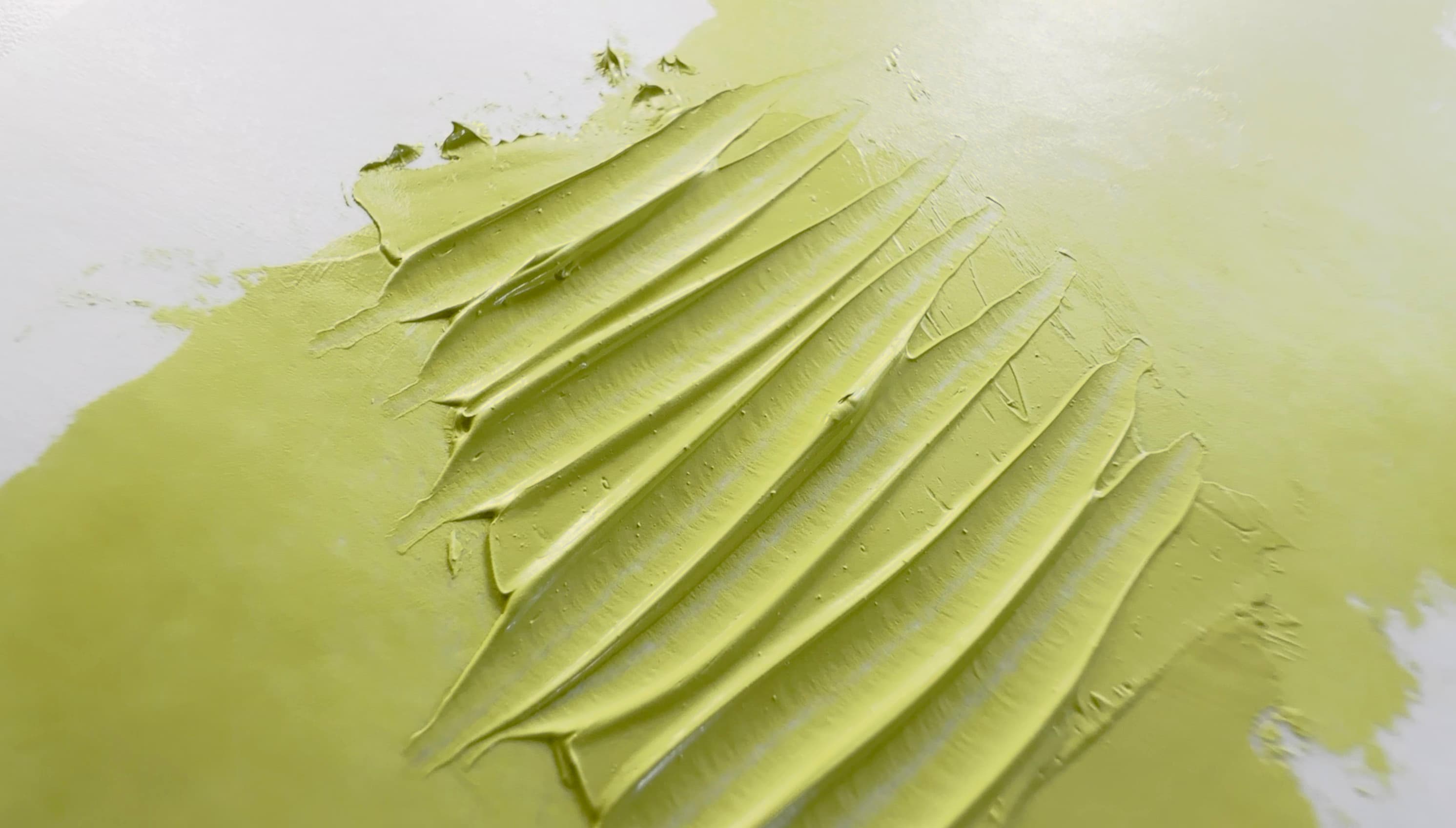
PY53 in oil paint, Williamsburg Nickel Yellow
In terms of lightfastness, overall it tends to be rated as Excellent. We did notice in the Schmincke watercolor line they assigned it good or very good lightfastness (four out of five stars, with five describing the highest lightfastness, which is usually ascribed to earth tones). In oils, in most mixing whites, it performed as Excellent (ASTM I) in Golden's lightfastness tests. In the only exceptions to the rule it slid to Very Good in Williamsburg Flake White and Pure Zinc White.
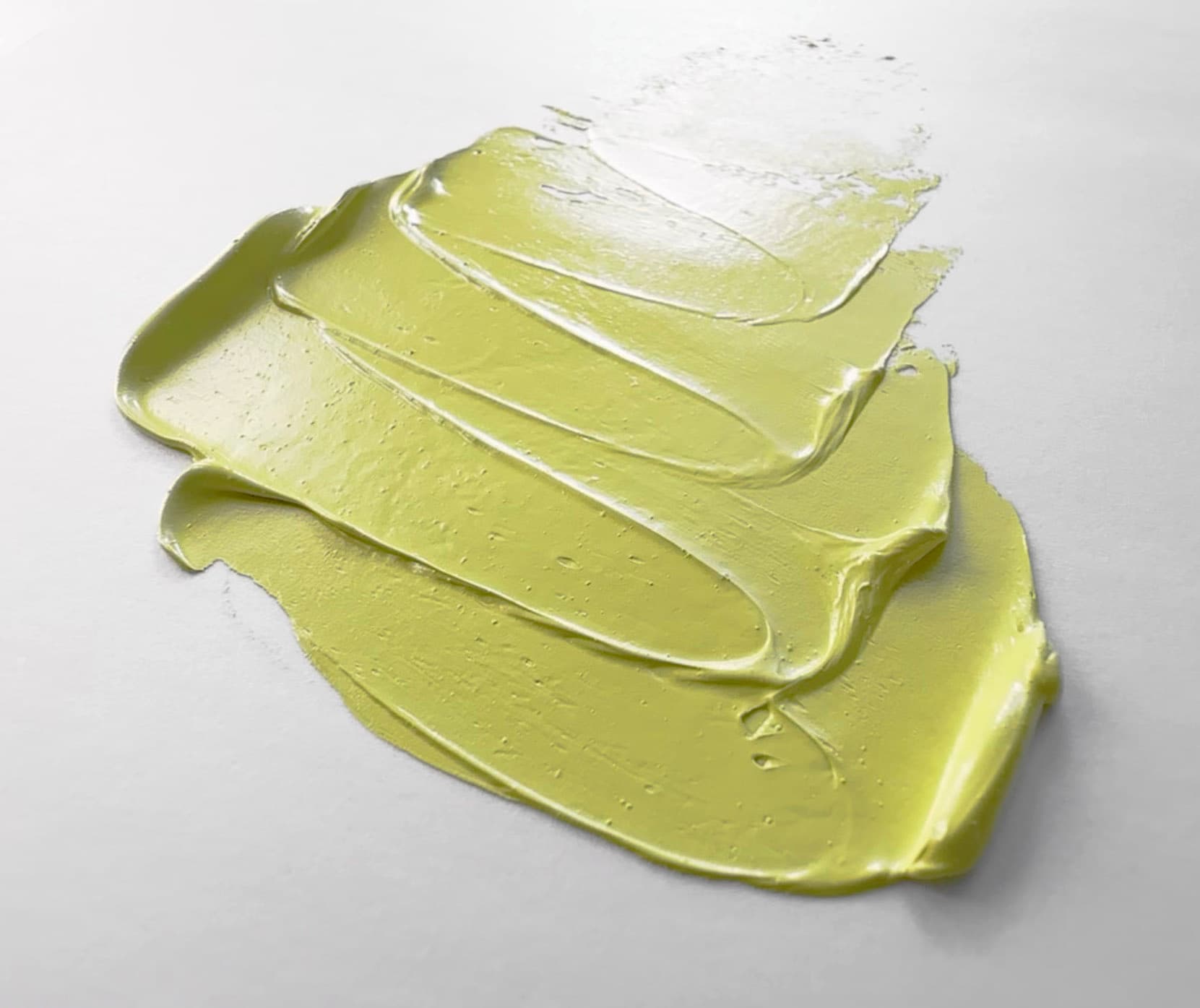
Williamsburg Nickel Yellow
Listed as a "B" for toxicity, we advise treating all pigments with great caution, and this one is no exception. Monona Rossol's work has a section on health problems from nickel and antimony pigments in the Artist's Guide to Health and Safety. Her most recent research can be found through her site.
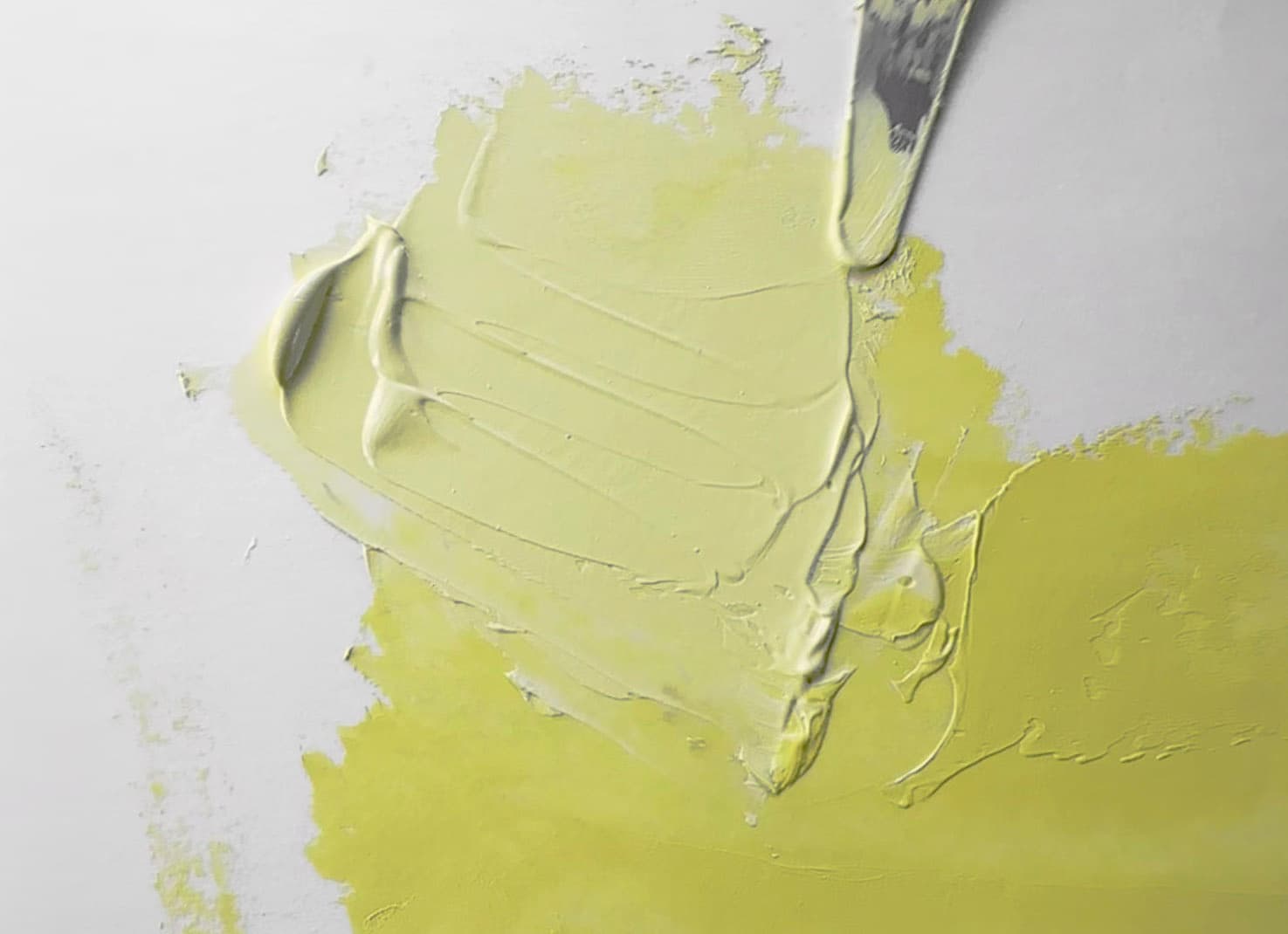
Williamsburg Nickel Yellow, PY53 mixed with Titanium White, PW6
This color excels in creating low-chroma mixes. In masstone it's an enchanting light yellow with a faint green in the overall color impression. It's not a replacement for Lead Tin Yellow, but it is a color that keeps us coming back. It's a hard-to-describe pale yellow color with secret-superpowers in mixing.
Resources
PY53 pigment data from David G. Myers, The Color of Art Pigment Database, Artiscreation.com
Spurgeon, Tad. Living Craft: A Painter's Process. Mt. Airy, Philadelphia, PA: Zoetrope, 2018. Newer version available here: https://www.thomaskitts.com/page/36804/tad-spurgeons-living-craft
Information about PY53 from Bruce MacEvoy, Handprint Guide to Watercolors, General information about this class of pigments from Handprint,
Alfa Chemistry (n.d. Accessed June 2025). Nickel Antimony Titanium Yellow (PY53) https://materials.alfachemic.com/major-products/nickel-antimony-titanium-yellow-py53.html. Alfa Chemistry,
Rossol, Monona. The Artist's Complete Health and Safety Guide. New York, NY : Allworth Press, 2001. The book is rather dated, updated information is available from her website.
Stats
Lightfastness
Excellent
This color performed exceptionally well in Golden’s Lightfastness Testing in oils. In Flake white (linseed) and pure zinc, instead of the usual ASTM I - excellent it was ASTM II - very good, and in all other mixing whites tested it was ASTM I - Excellent. It is listed as BWS 8. Bruce MacEvoy relates an interesting insight that after six weeks of sunlight exposure, PY53 in watercolor actually became a bit more opaque. The 1980s NPIRI reported high marks across categories for indoor and outdoor tests.
Transparency
Opaque to Semi-Opaque
Toxicity
Hazard, Use more caution
Artiscreation gives this a "B" meaning, "Hazard if carelessly handled, ingested in large amounts or over long periods of time; Do not ingest; Avoid dust & spray." Monona Rossol's work has a section on health problems from nickel and antimony pigments in the Artist's Guide to Health and Safety. Her most recent research can be found through her site. Treat all pigments and paints with studio safety protocols.
Tinting
Medium
Some report strong tinting strength and others report weak strength. We’ve noticed this color can hold its own in mixtures but its starting place is a duller paler yellow to begin with.
Dry Time
Sources vary but 2-7 days seems common. May contain driers since some sources list a very slow dry time.
Varies. Some list 2-7 days.
Oil Content
Low
Low by volume. By weight, 16-18 g/100g of oil
Particle Size
Usually Very Fine but may vary
Chemical Name
Nickel Antimony Titanium Yellow Rutile, Oxides of nickel antimony and titanium
NiOSb₂O₃₂TiO₂, (Ti,Ni,Sb)O₂
DISCLAIMER: Please note that we are not experts in health and safety and we are not toxicologists, please consult the proper experts. We are not liable for any issues that may arise from the use of our website or its contents. The information contained in this site is provided without warranty or guarantee of any kind. We do not necessarily endorse any other website that are linked from our site. For any important pigment specs, please reference the manufacturer details. If you discover errors or omissions, please reach out through our contact form. Thank you.
