

Top Pigment
Natural Yellow Iron Oxide
PY43
Alternate Names
Yellow Ochre
Brown Ochre
Raw Sienna
Yellow Limonite
Pigment Description
Ochres in their natural state are the backbone of art history, and from time immemorial people have made them into paint. From a pale yellowish peanut butter color to rich browns these earthtones span a huge range of colors. (For Red Ochres, reference PR102 and PR101, for more browns check out PBr7, and for the elusive green earth look up PG23).
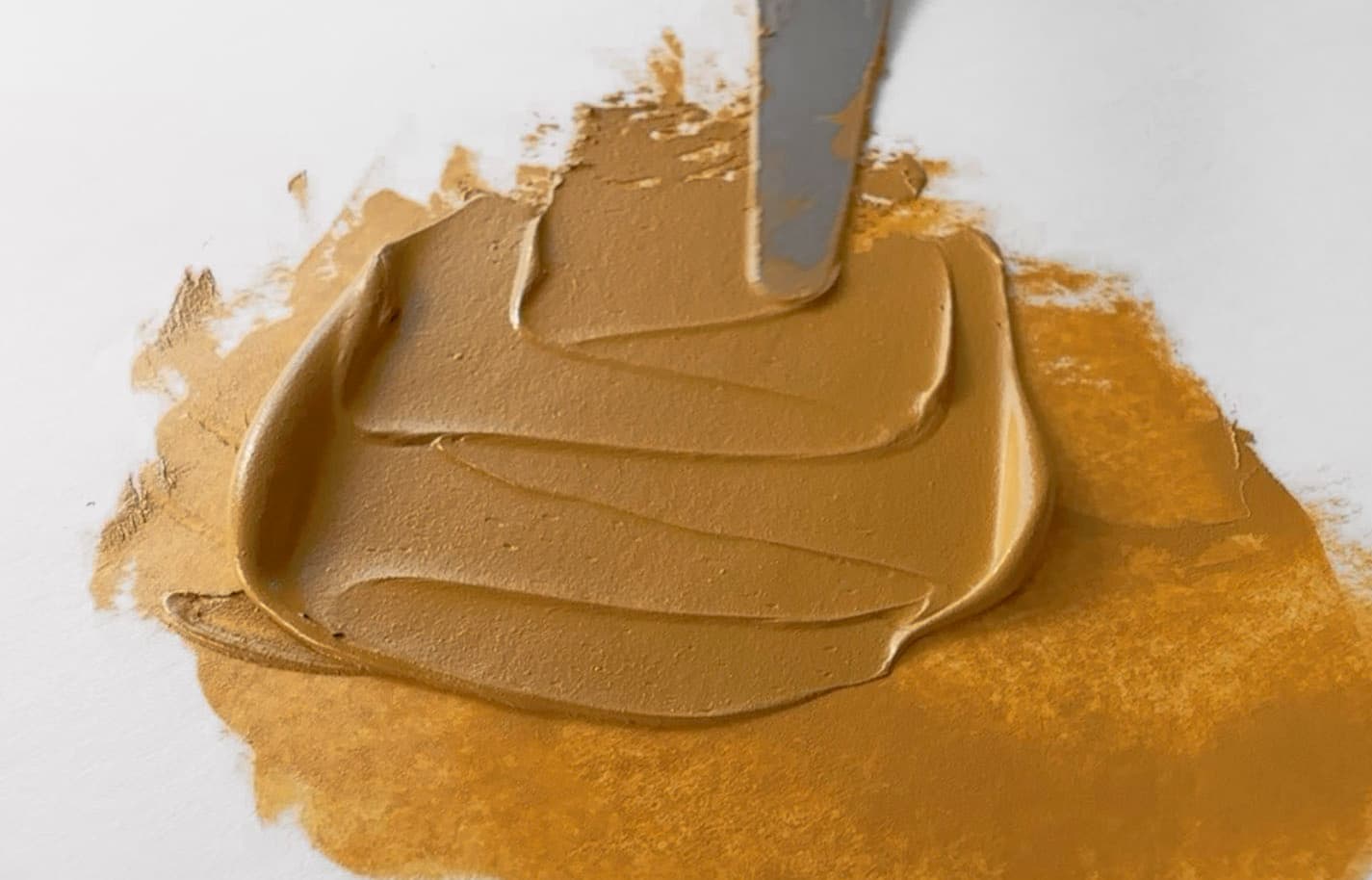
The Williamsburg Yellow Ochre Domestic was one of our favorite PY43s, however it may be changing to a synthetic version, PY42. This is the older PY43 natural earth version.
Natural and Synthetic ochres are given different pigment codes. Natural Yellow Ochre is PY43 while the synthetic kinds are PY42. Sometimes the natural ochres are a bit softened compared to their synthetic counterparts due to naturally-occurring minerals that get labeled as impurities. However the natural characteristics actually can be quite nice for the paint. We have heard that many (but not necessarily all) natural ochres may have a little bit of the synthetic pigment to ensure color consistency.
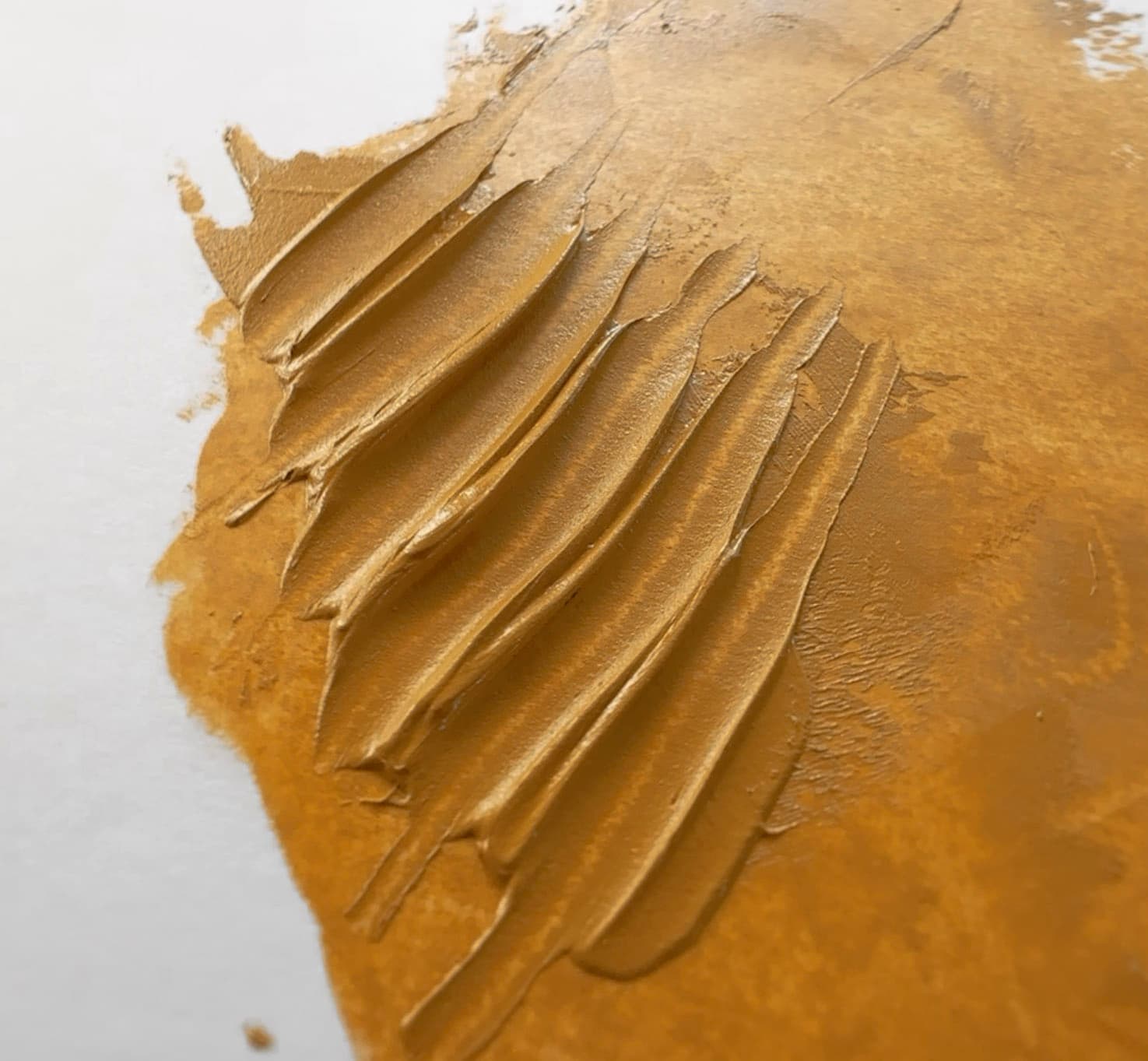
Williamsburg Yellow Ochre Domestic, PY43 version
As some of the oldest pigments, Yellow Earths are foundations of the palette. Some of the common names for paints are Yellow Ochre, Raw Sienna, and Golden Ochre. There is a lot of variety in the names- one might also encounter Orange Ochres. Several different kinds and colors are identified by names like Ochre Havane, Transparent Yellow Oxide or Mars Yellow, though there are no consistent naming standards. Ochres can vary in transparency, color, and particle size.
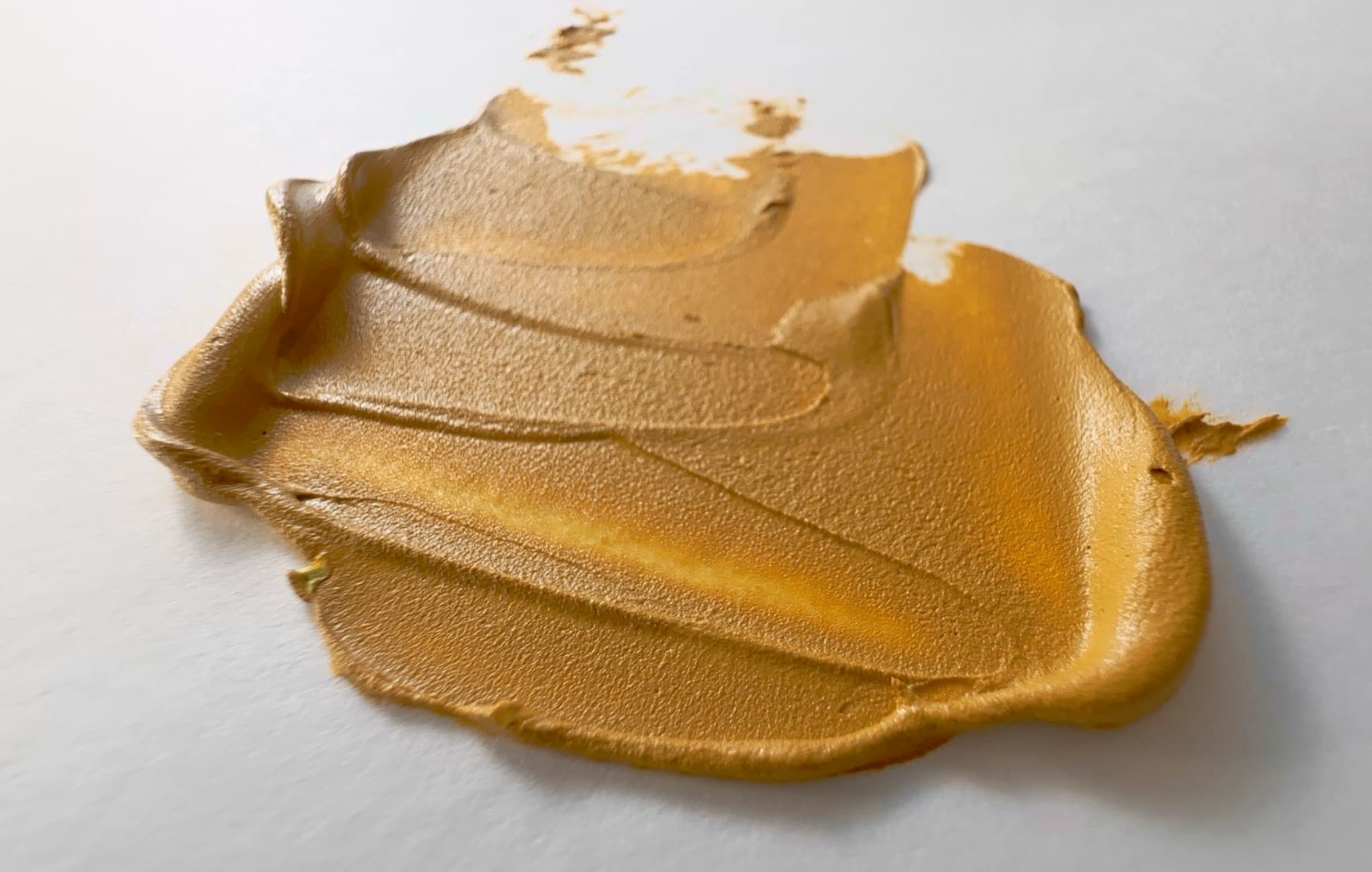
Williamsburg Italian Lemon Ochre, PY43
Some natural earths have a larger particle size, so bear in mind they are gritty.
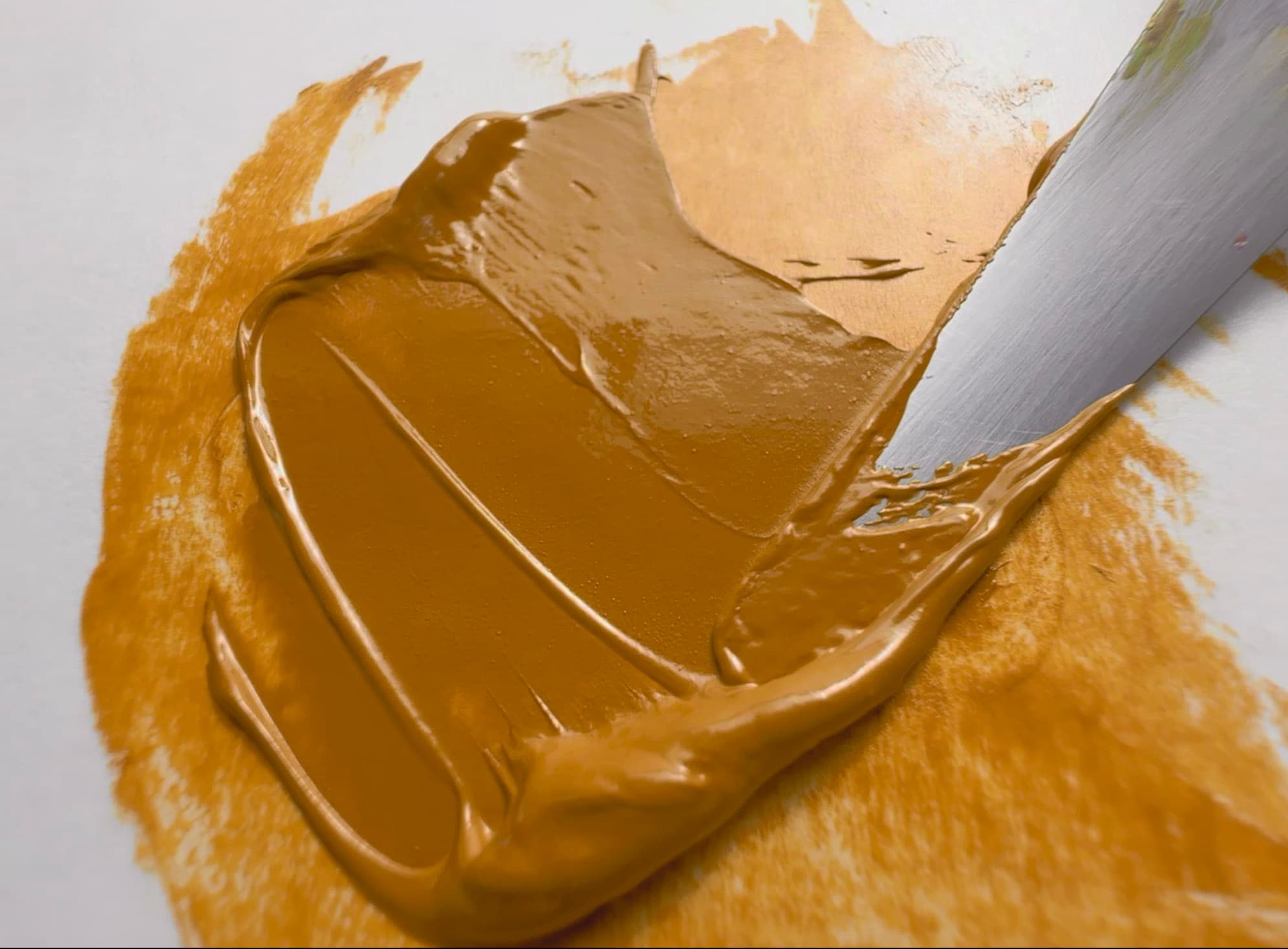
Vasari Yellow Ochre
There may be a slight advantage to genuine earth pigments. Another disturbing trend has arisen in the paint world wherein earthtones are being emulated by a handful of pigments. Such imitations will not have the handling and permanency of iron oxides.
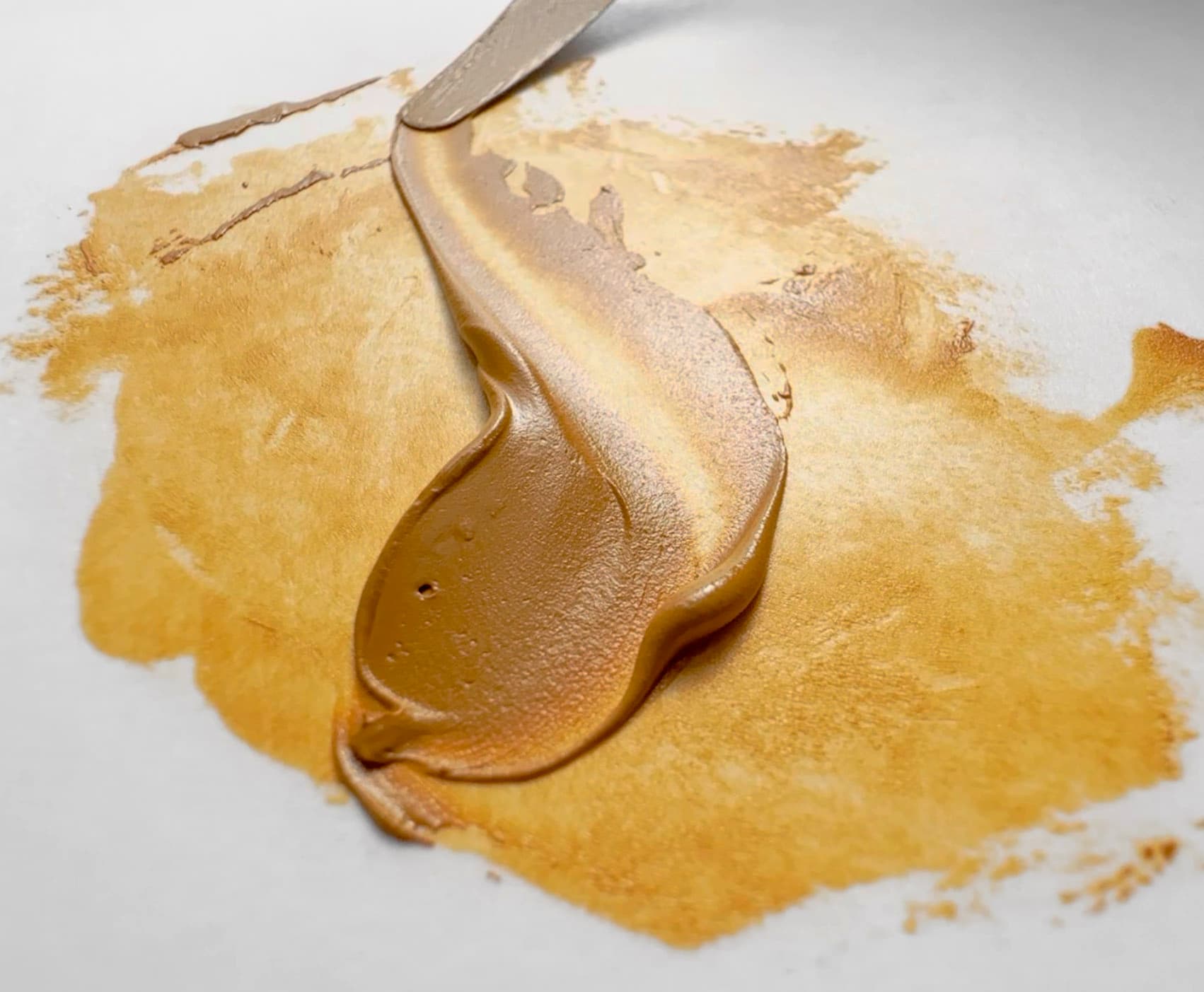
Vasari French Golden Ochre Genuine
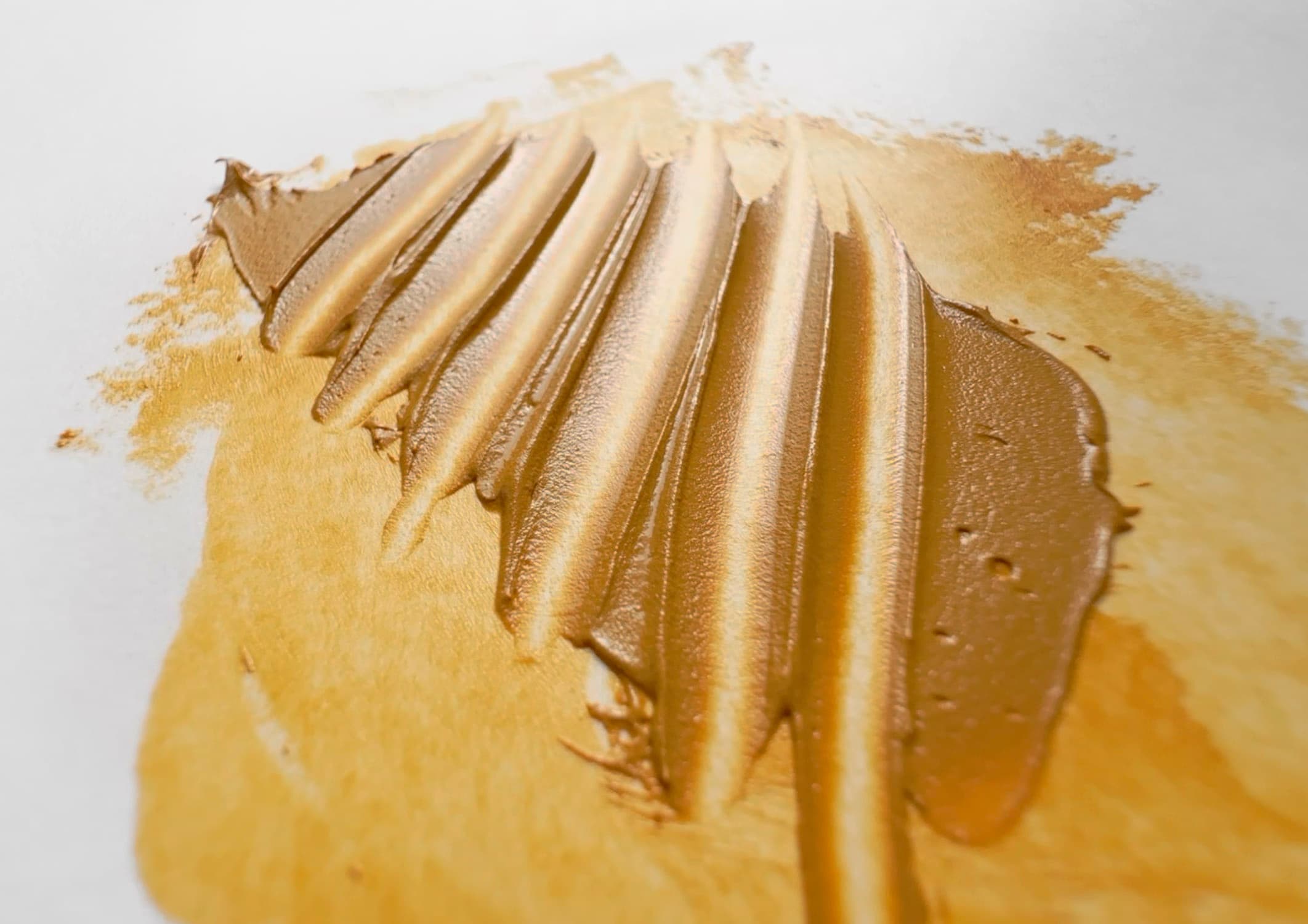
Vasari French Golden Ochre Genuine
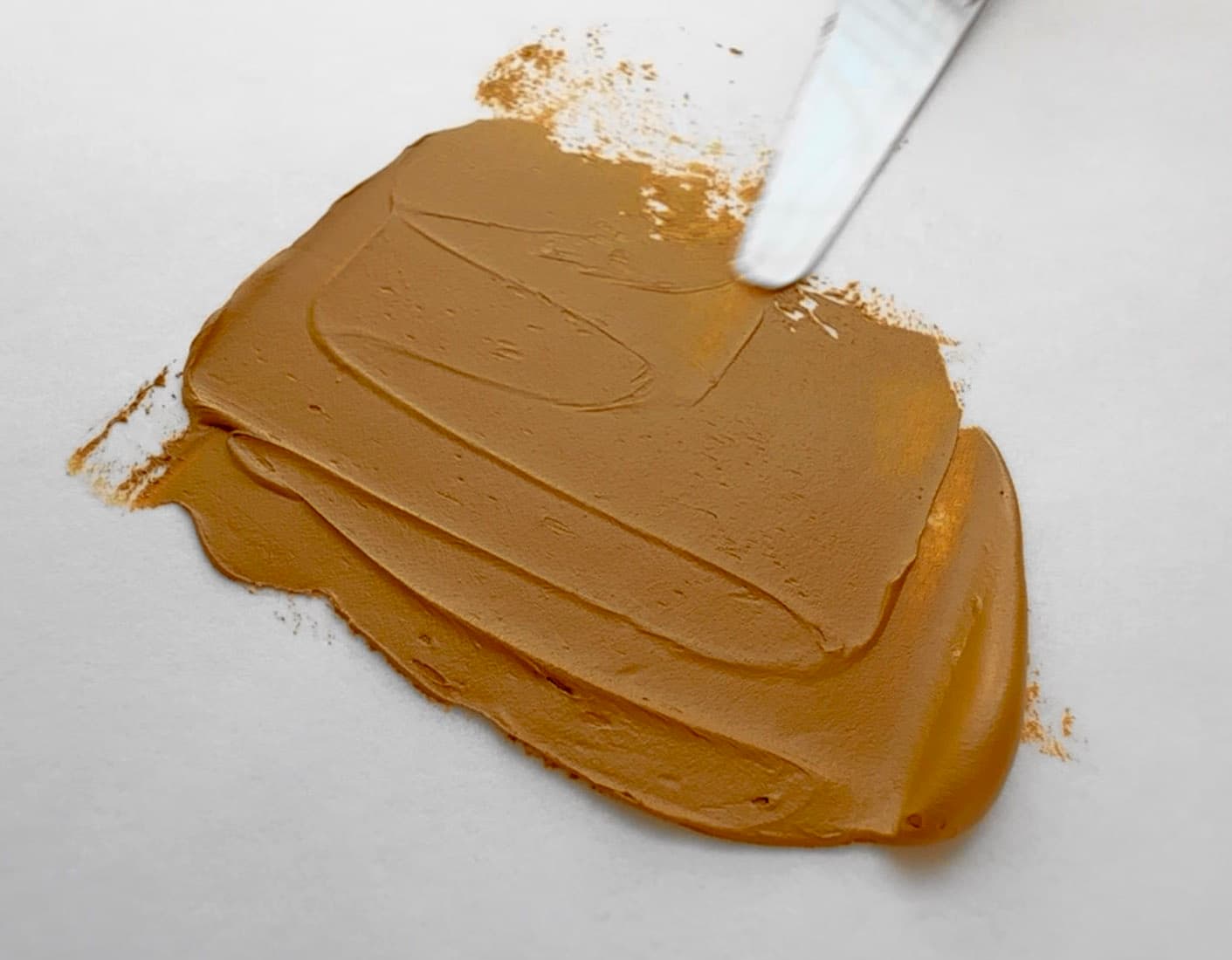
Old Holland Yellow Ochre Deep
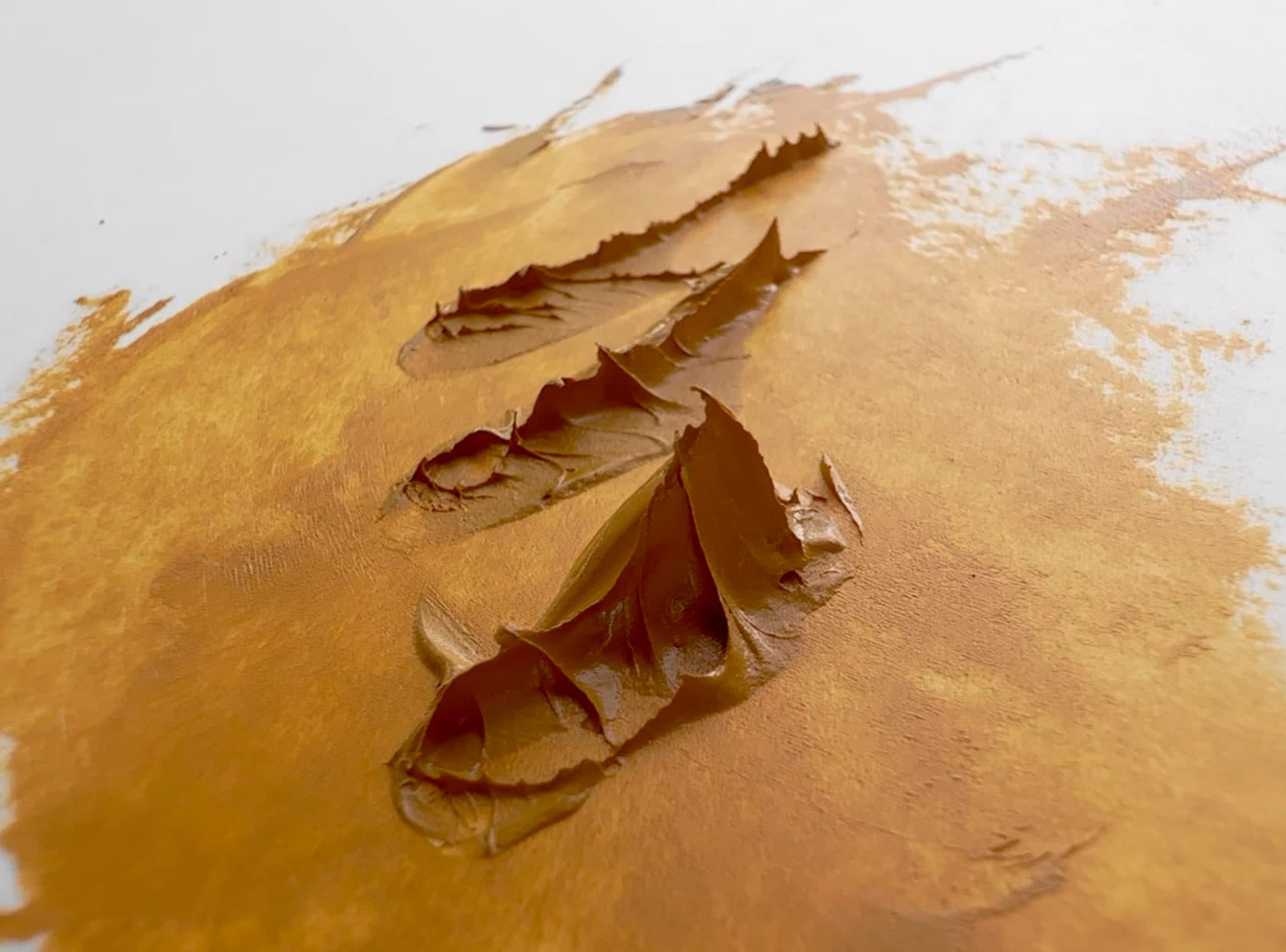
Old Holland Yellow Ochre Deep
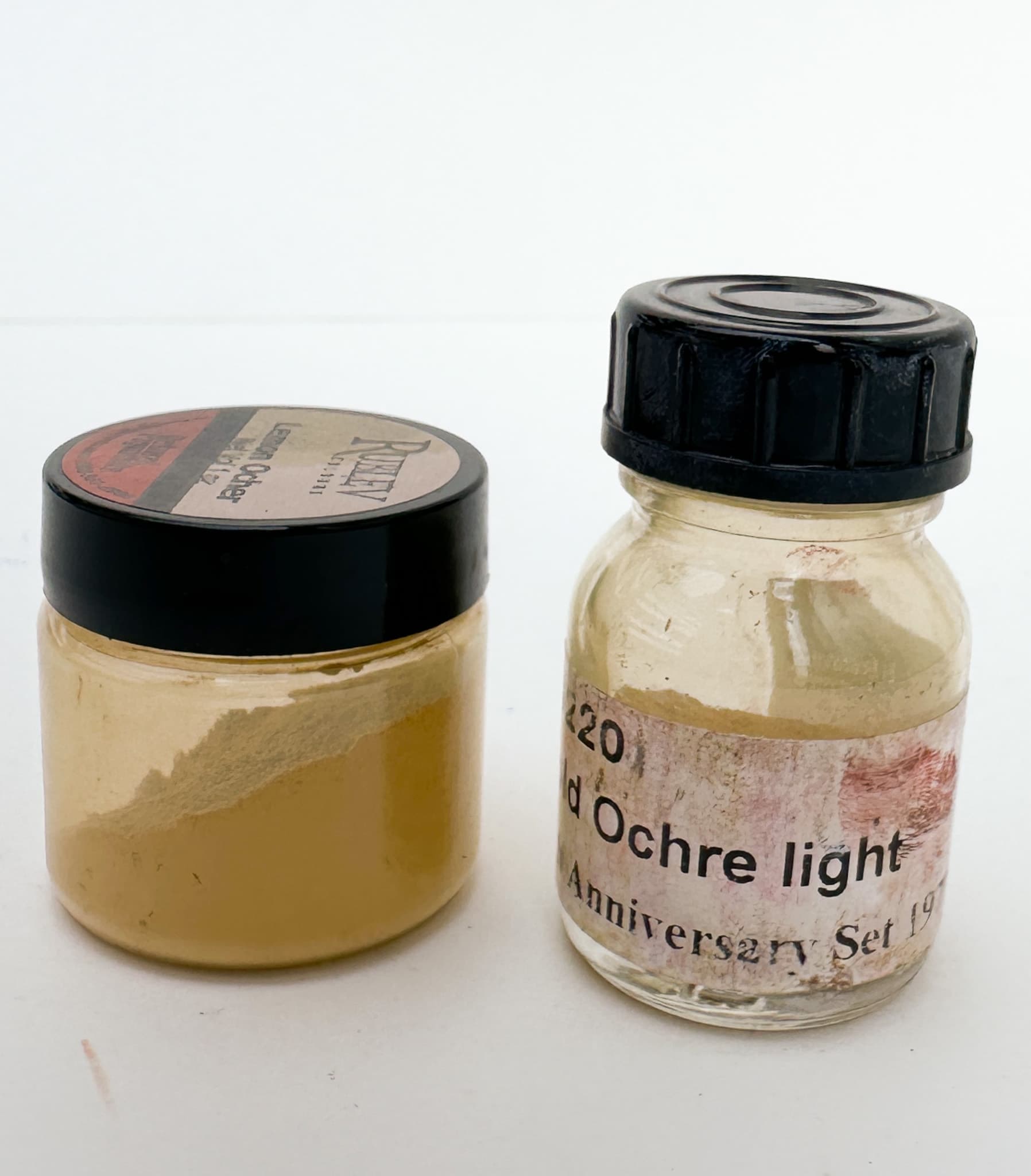
Two different versions of PY43, Rublev Lemon Ochre and Kremer's Italian Gold Ochre Light
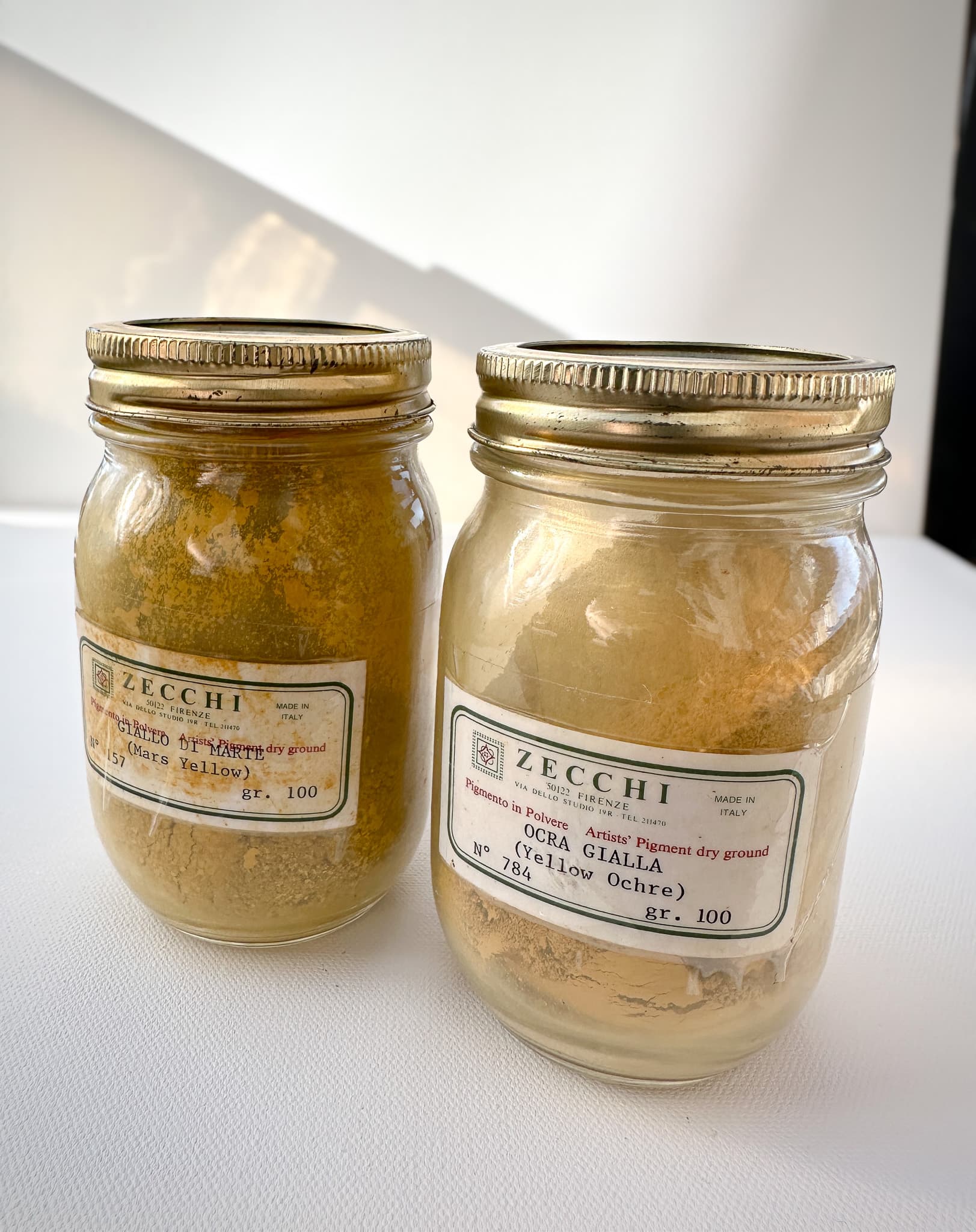
Zecchi Yellow Earth Dry Pigments. Mars Yellow and Yellow Ochre
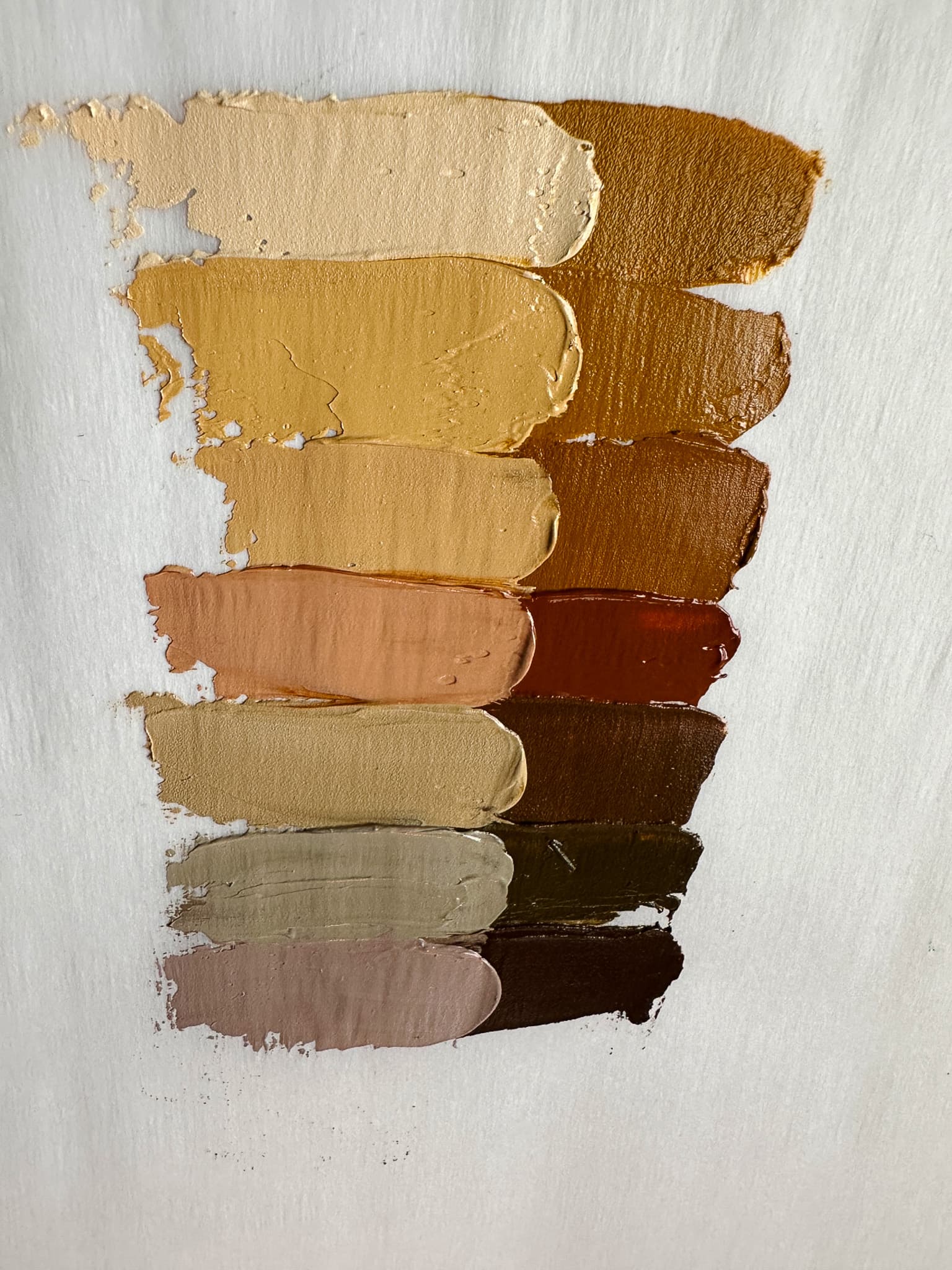
All of these swatches are made from different varieties of the same pigment, PY43
Resources
PY43 pigment data from David G. Myers, The Color of Art Pigment Database, Artiscreation.com
Spurgeon, Tad. Living Craft: A Painter's Process. Mt. Airy, Philadelphia, PA: Zoetrope, 2018. Newer version available here: https://www.thomaskitts.com/page/36804/tad-spurgeons-living-craft,
Information about PY43 from Bruce MacEvoy, Handprint Guide to Watercolors, General information about this class of pigments from Handprint, More from Handprint
Stats
Lightfastness
Excellent
Considered to be of the highest lightfastness, solid 8’s on the BWS
Transparency
Varies, Semi-Opaque
Ranges from Transparent to Opaque in oil paints with most of them listed as Semi-Transparent to Semi-Opaque
Toxicity
Lower concern, however may contain hazardous impurities
This pigment has been thought of as low concern, however, natural impurities may occur. May wish to verify with the supplier that it does not contain silica, which is a hazard. Sometimes human-influenced impurities may also be present. Lately there has been a trend of reclaiming ochre from various mining processes. Pigment can contain various elements which may not even be looked for with testing. For example, Gamblin had a series of reclaimed Iron Oxide pigments that made the tube explode.
Tinting
Varies, but many are moderate tinters
More gently tinting than some of their synthetic counterparts (PY42)
Dry Time
Medium
Varies. Some list 2-7 days. May contain driers
Oil Content
Varies, Low to Medium
Moderately low to Medium by volume. Mayer assigns Yellow Ochre to the medium category with a score of 76- on the lower end of medium.
Particle Size
Varies
Chemical Name
Natural hydrated iron oxide
DISCLAIMER: Please note that we are not experts in health and safety and we are not toxicologists, please consult the proper experts. We are not liable for any issues that may arise from the use of our website or its contents. The information contained in this site is provided without warranty or guarantee of any kind. We do not necessarily endorse any other website that are linked from our site. For any important pigment specs, please reference the manufacturer details. If you discover errors or omissions, please reach out through our contact form. Thank you.
