

Top Pigment
Cadmium Yellow
PY35
Alternate Names
Cadmium Yellow Light
Cadmium Yellow Medium
Cadmium Yellow Deep
Cadmium Yellow Pale
Pure Cadmium Zinc Yellow
Primrose Yellow
Golden Yellow
Lemon Yellow
Pigment Description
Gorgeous, high chroma, and more opaque than most yellows, Cadmium Yellow is a stellar addition to the paintbox. For our paintbox, this is one of our main top choices for the core notes of yellow. The opacity and high chroma are some of the reasons we adore cadmium yellow. It comes in a range of cool and warm yellows named Light, Medium, and Deep (from cool to warm, respectively). Cadmium Yellow has two related pigment codes, PY35 and PY37.
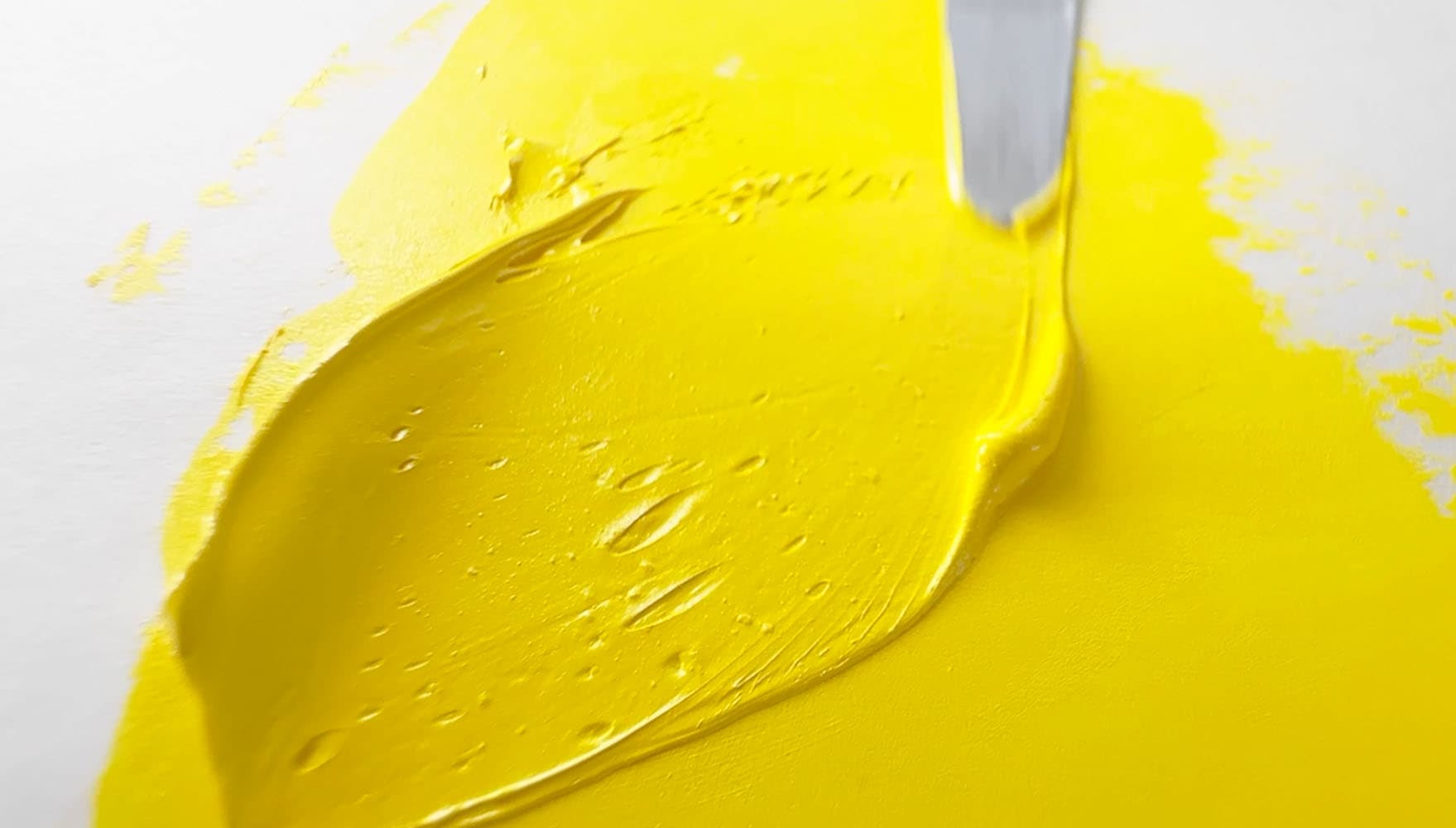
Williamsburg Cadmium Yellow Light, PY35
To get an idea of the color ranges for these names, we compared a few cadmium yellow lights in oils. Here are some comparisons of cadmium yellow deeps and mediums. Cadmium Yellow has glorious high chroma yellows ranging from bright citrusy cool lemons to middle yellows to warm marigolds. This pigment can almost dip to orange. Paintmakers offer them in Lemon, Light, Medium, Deep and Extra Deep.
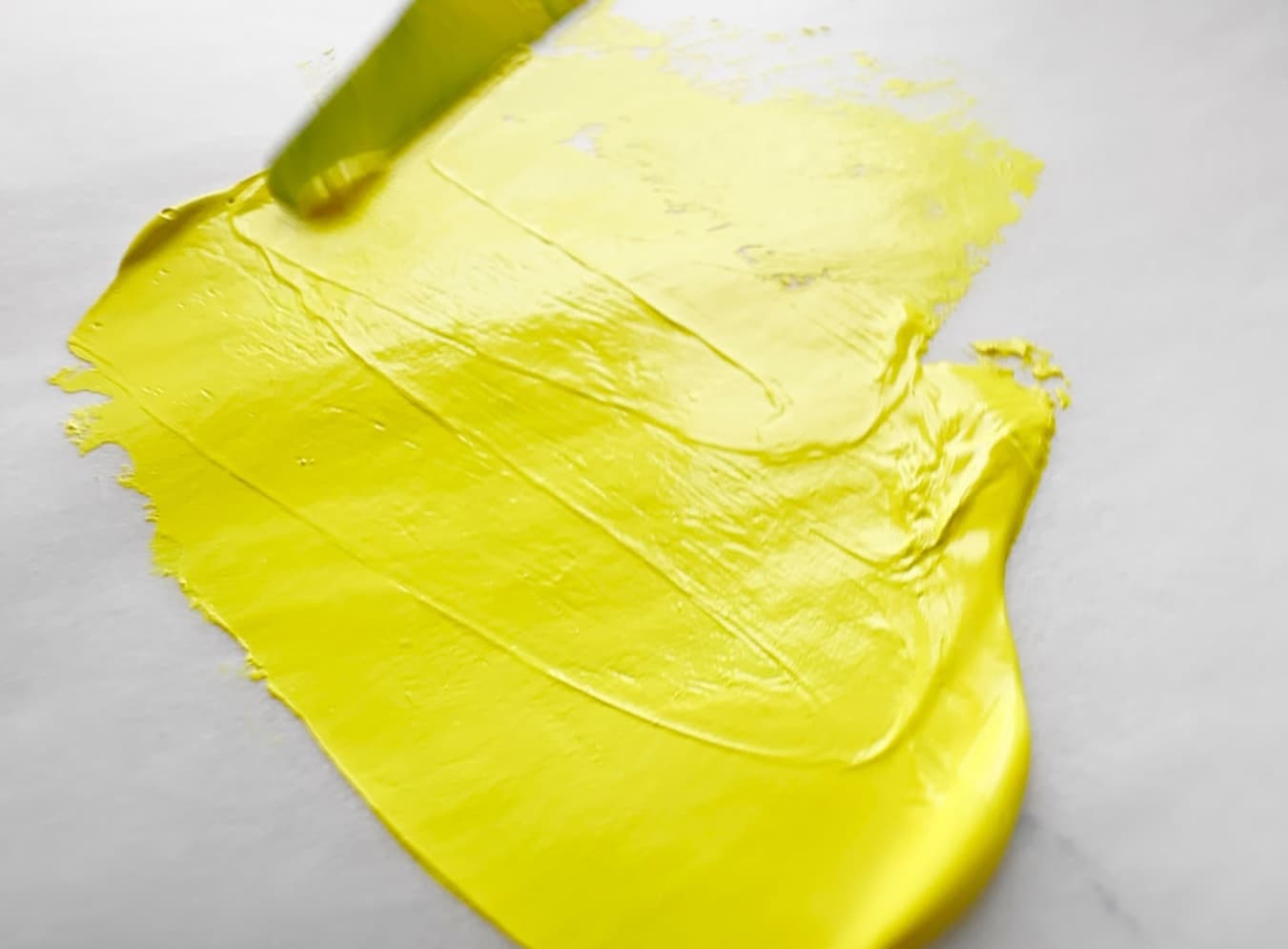
Michael Harding Cadmium Lemon, PY35
The word lemon or light refers to a bright canary yellow (a yellow that leans toward green) while Mediums refer to what some would call a primary yellow or even a slightly warm yellow. Cadmium Yellow Deeps are often chromatic marigold yellow-oranges, while Extra Deeps can be a yellowish orange. There are a few other names floating around out there like Cadmium Primrose (usually a very cool cadmium lemon) or Cadmium Yellow Pale, which may refer to a Lemon or Light, but we’ve seen its usage vary. On the warmer side, it’s fairly common to find a few interstitial blends between Cadmium Yellow and Cadmium Orange to fill in the notes of the spectrum between Cadmium Yellow and Cadmium Orange PO20.

Lemon Yellow to Marigold Yellow- the Range of Colors for PY35 and the related PY37
While we recommend limited palettes to beginning painters, it may be helpful for intermediate or advanced artists to have a wide range of cadmium colors as each one can provide a note of high chroma at a slightly different hue angle. This arpeggio from yellow to orange provides a very good backbone for color mixing. We’ve heard this recommendation echoed by painters who favor the cadmiums, that is, to have a lot of different choices from a lot of different brands. The reason for this is not to benefit paintmakers, rather each paintmaker chooses the notes of color from a wide gradient of available choices from lemon yellow to marigold. The knowledge of how these colors behave in color mixing is an advantage for any painting subject matter, and using a string of cadmium yellows one can easily find one's way around mixing greens.
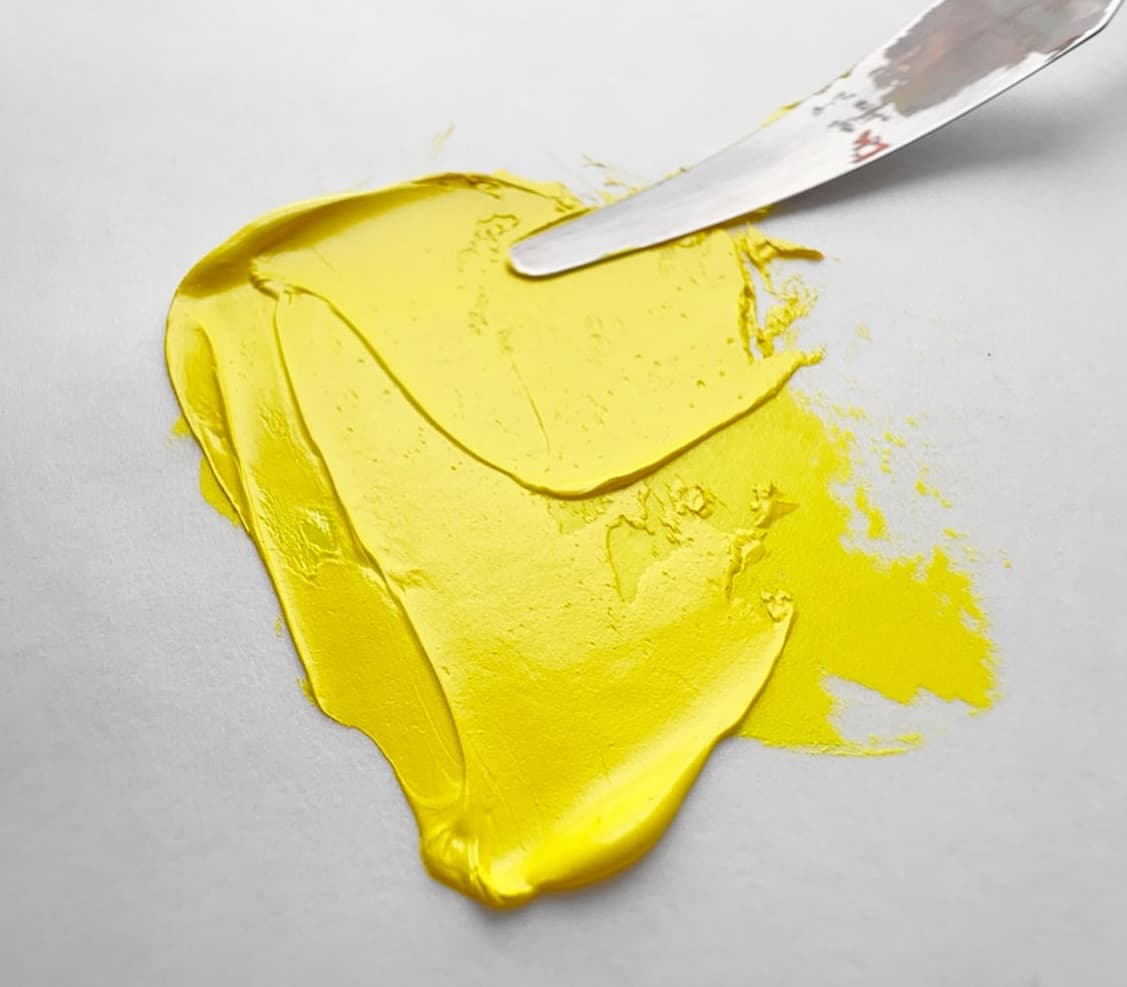
Old Holland Cadmium Yellow Lemon, PY35
Perhaps somewhat confusingly, the names Light, Medium, and Deep can vary tremendously from brand to brand. Sometimes a Cadmium Yellow Medium in one brand will equate to a Cadmium Yellow Light in another. When starting out, a person can pick a Cadmium Yellow Light and a Cadmium Yellow Medium or Deep to simplify the options and learn color mixing.
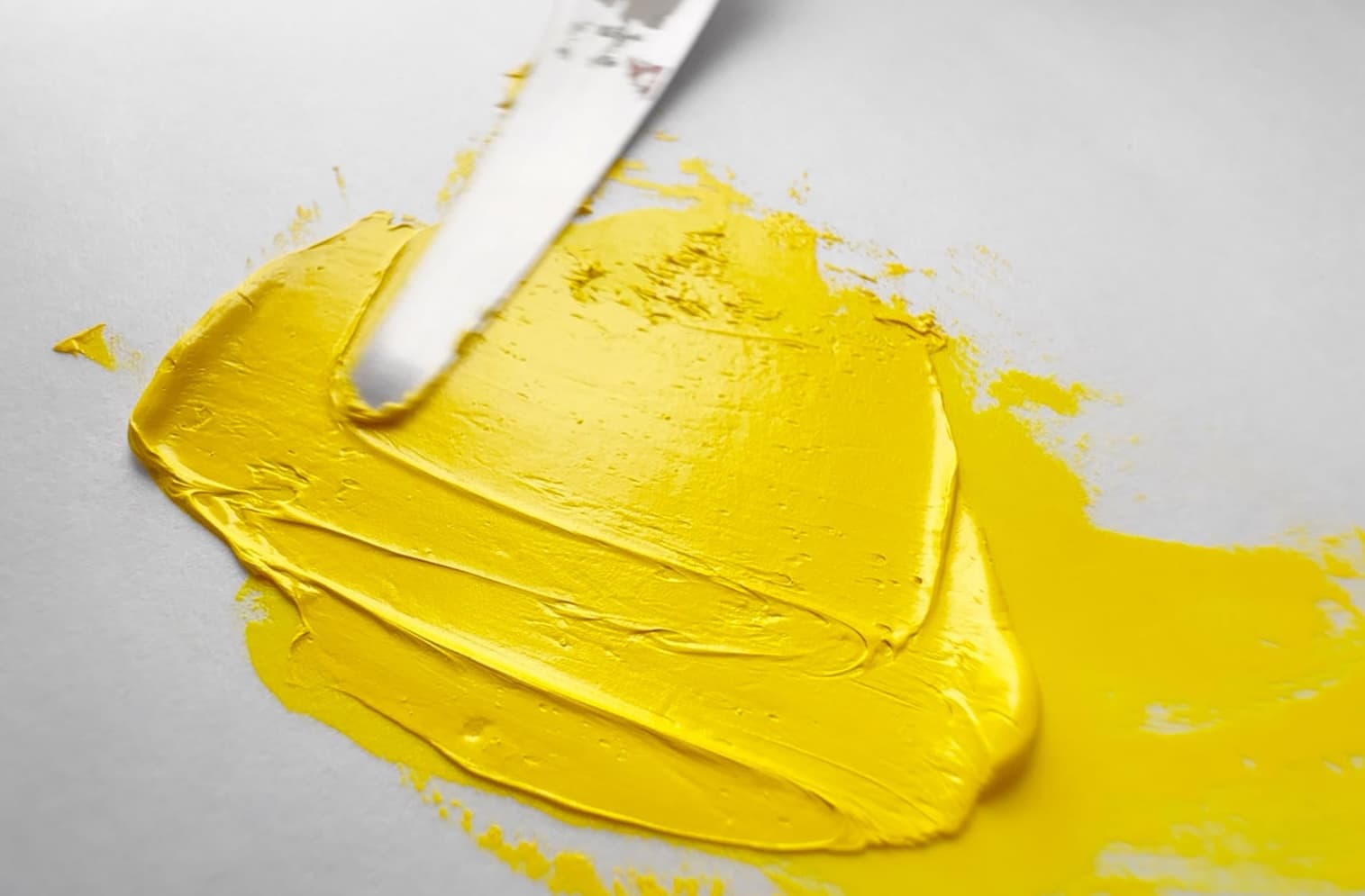
Old Holland Cadmium Yellow Light, PY35
We compare several Cadmium Yellow Lights in oils, as well as several Cadmium Yellow Deeps.
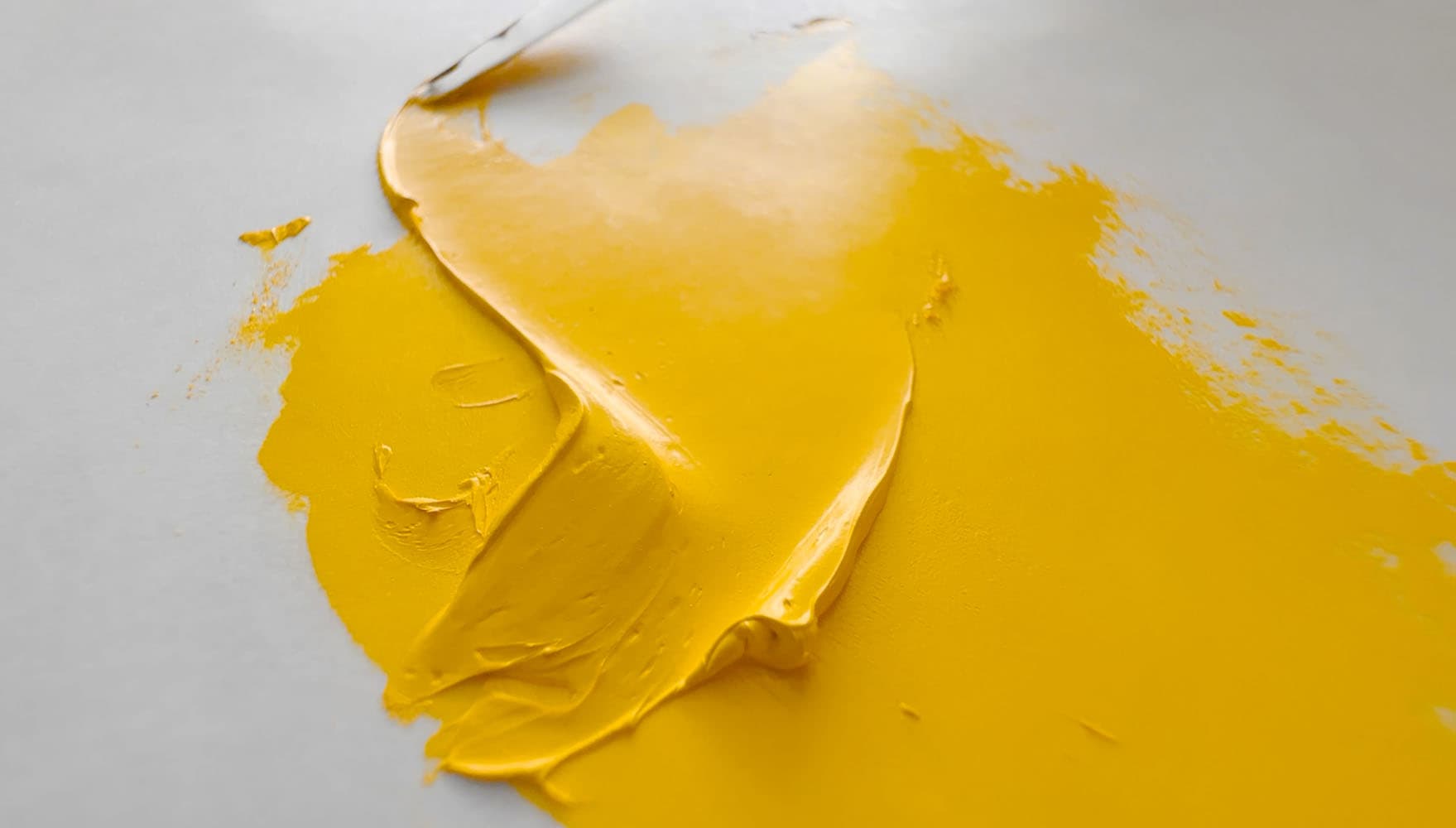
Old Holland Cadmium Yellow Medium, PY35
Something fascinating about cadmium yellows is the way they can add lightness to a mix- especially Cadmium Yellow Lemon. For some applications a person wants transparency or does not want this lightening effect, so we would recommend other pigments for transparent yellows (see note on PY110, also PY150).
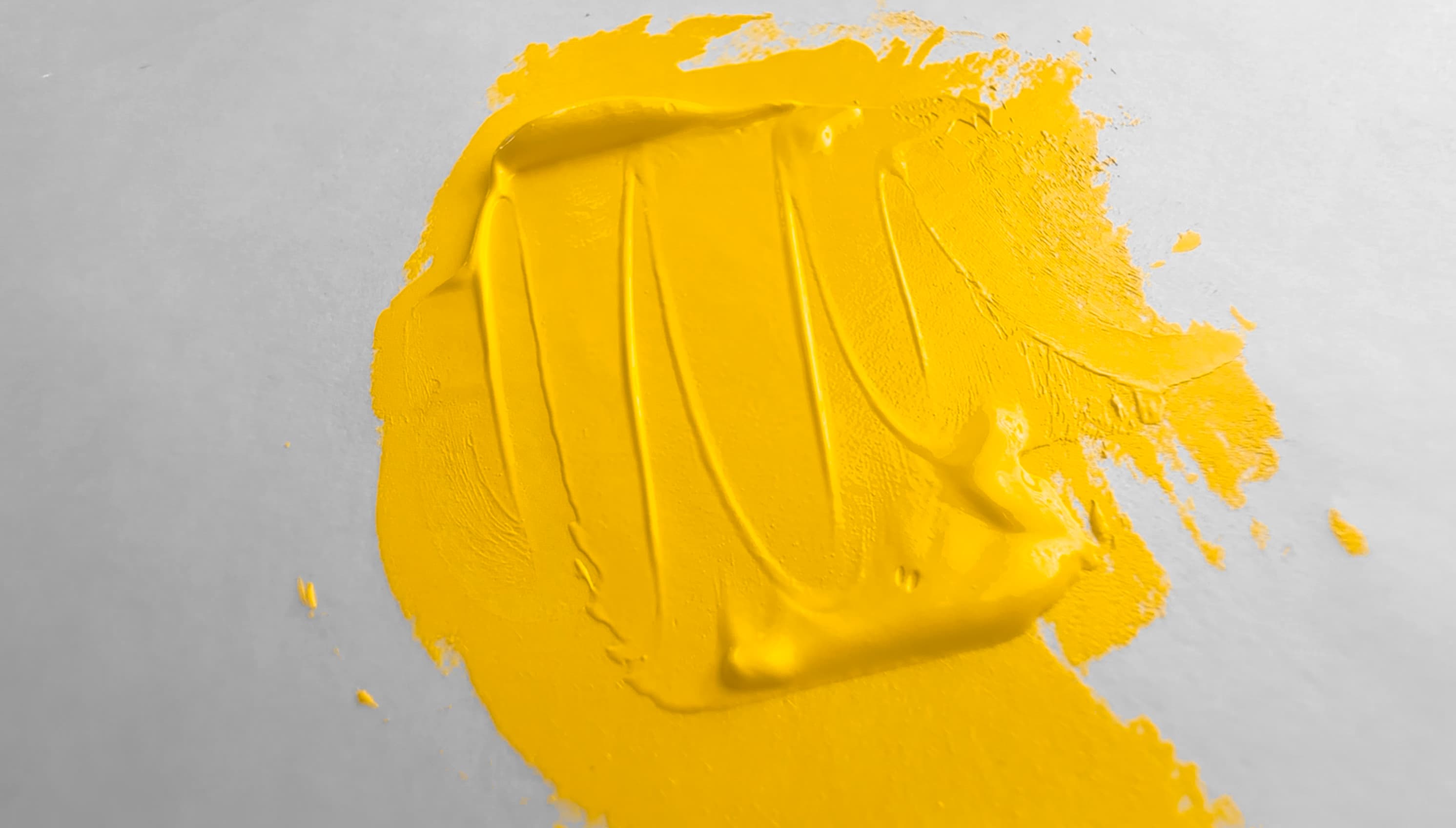
Vasari Cadmium Yellow Light is closer in color to most Cadmium Yellow Mediums. Vasari's Cadmium Yellow light is made with PY37
Debate has raged around the cadmiums, and they are listed as pigments with toxicity, so be extremely cautious with them. Lately we have seen a lot of resources suggesting the modern cadmium pigments are engineered to be far less toxic source, another source and another source, compared with regular cadmium. However, we always err on the side of caution with pigments (there is no downside to being super careful) and so we always handle these with respect. Also beware with older cadmiums for many reasons as they may also contain toxic adulterants like lead. We have read not to breathe them (this means not using them for airbrush). However, we are not experts in health and safety so please consult the relevant authorities on their proper handling and disposal. According to the work of Monona Rossol, cadmium is a carcinogen and causes kidney damage. The Artist's Guide to Health and Safety has more information about the hazards of pigments containing Cadmium as well as Barium, as well as information on Sulfides. They should not be sprayed and the dust should be stringently avoided (remember in regard to avoiding sanding). It should go without saying, but absolutely do not ingest any pigment.
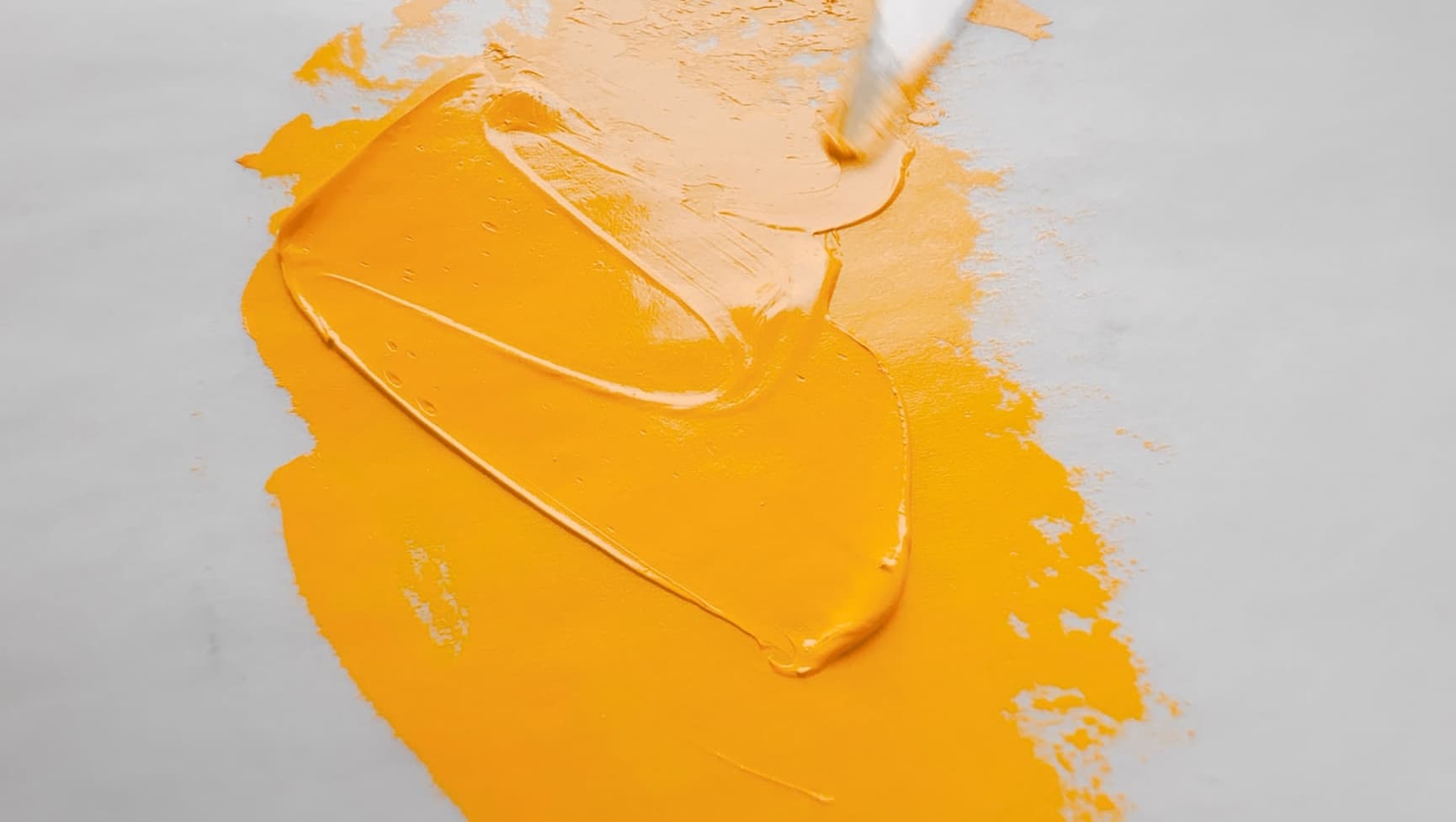
Michael Harding Cadmium Golden Yellow, PY35
These are fairly lean oil paints as far as the oil required. Cadmium Yellow actually has two pigment codes, PY35 and PY37. PY35 tends to be for cooler yellows though has quite a range, while PY37 makes warmer yellows. PY35:1 and PY37:1 are cheaper ways of making cadmium yellow which have less strength. PY35 pigments (also called the CC version) refers to a higher-quality version of cadmium yellow than PY35:1 pigments. The CC refers to the concentrated cadmium version.
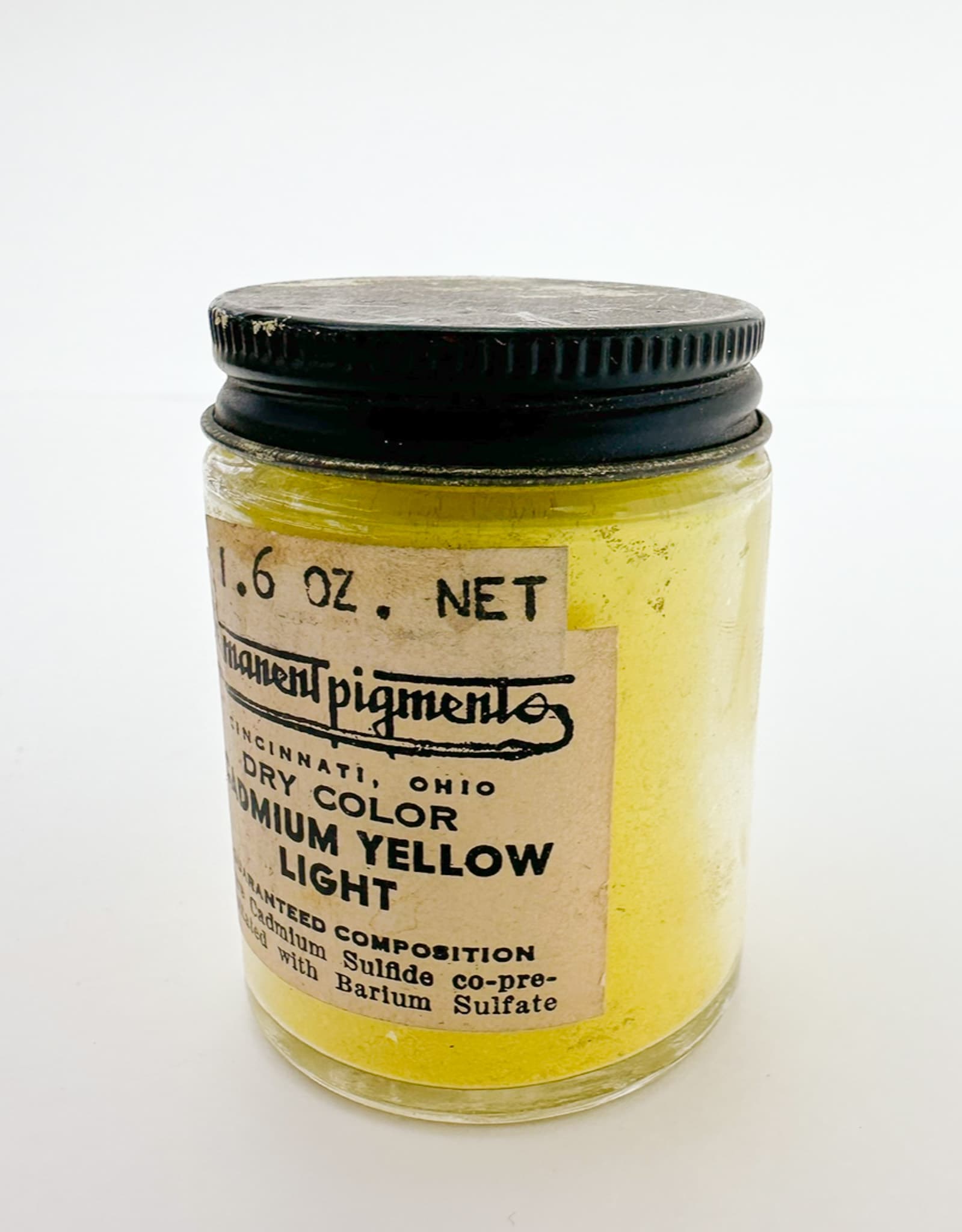
Vintage Cadmium Yellow Light pigment from Permanent Pigments. The fine print mentions barium sulfate, so this may be PY35.1
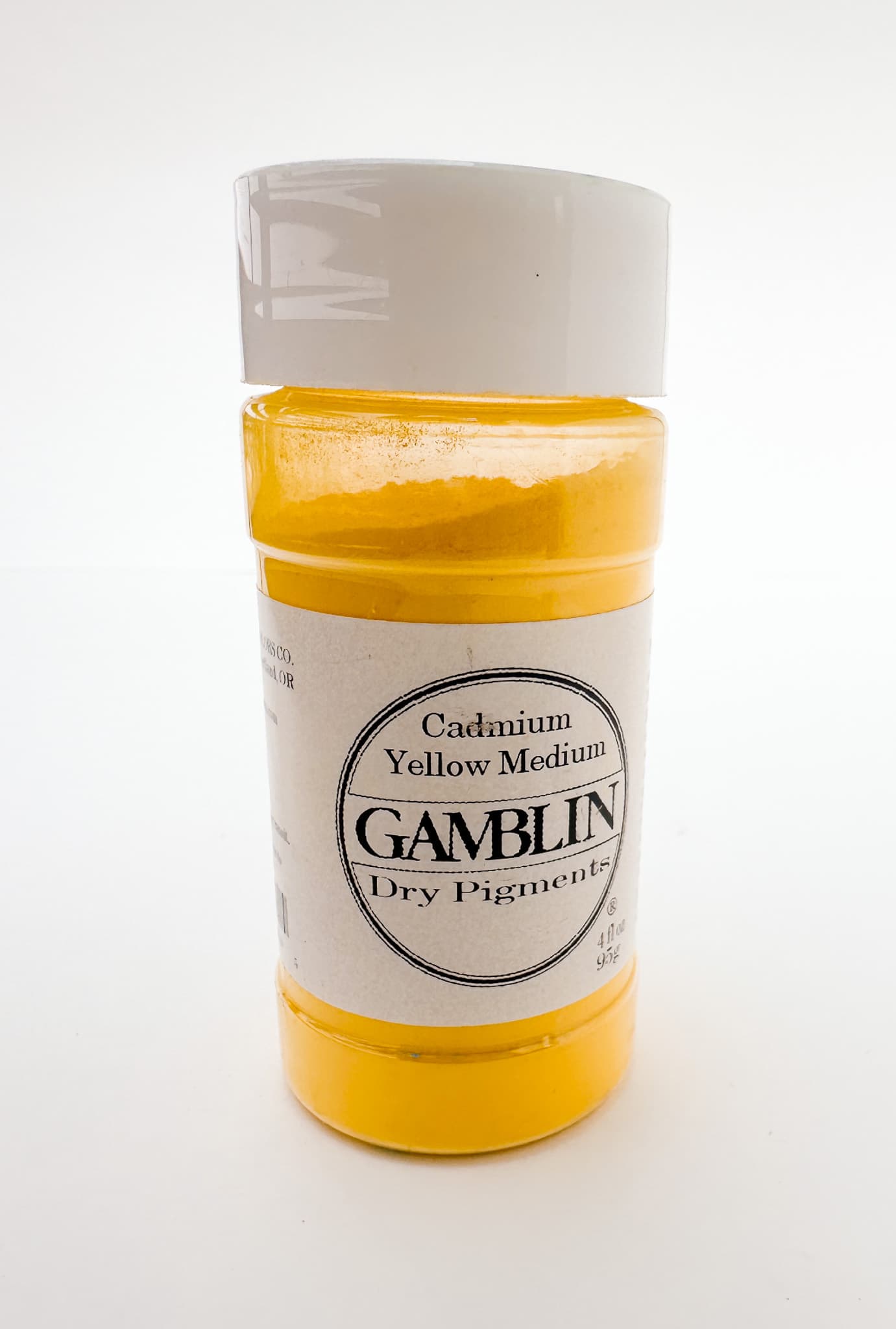
Gamblin Cadmium Yellow Medium, possibly PY37
Resources
PY35 pigment data from David G. Myers, The Color of Art Pigment Database, Artiscreation.com,
Elliott, Virgil. Traditional Oil Painting. Echo Point Books & Media, LLC, 2019. https://amzn.to/4nwIdzq,
Spurgeon, Tad. Living Craft: A Painter's Process. Mt. Airy, Philadelphia, PA: Zoetrope, 2018. Newer version available here: https://www.thomaskitts.com/page/36804/tad-spurgeons-living-craft,
Information about PY35 from Bruce MacEvoy, Handprint Guide to Watercolors, General information about this class of pigments from Handprint,
International Cadmium Association (n.d. Accessed June 2025). Cadmium Pigments International Cadmium Association,
Rossol, Monona. The Artist's Complete Health and Safety Guide. New York, NY : Allworth Press, 2001. The book is rather dated, updated information is available from her website.
Stats
Lightfastness
Excellent, protect from moisture
Golden’s Lightfastness Testing in oils showed excellent lightfastness (ASTM I) for their cadmium yellow medium with each mixing white, except for lead white in linseed oil. Overall excellent lightfastness. In terms of permanence, Cadmiums are susceptible to moisture so bear that in mind as well. One note of caution. Cadmium manufacturing processes have improved over time leading to better lightfastness and high confidence overall. However, every once in a while, it seems that a brand will select a substandard pigment. Bruce MacEvoy writes, "Generally the cadmiums are very lightfast, but in random instances can be impermanent." He infers these to be related to chemical impurities from a given pigment lot which may cause darkening in watercolor after exposure to sunlight. Random instances of failure with long-term sun exposure have also been reported in oils by Virgil Elliott. It is always a good idea to test the brands one uses, so we recommend double checking with your own lightfastness tests. We've also read that sometimes the cadmium yellow lights can have more problems than the cadmium yellow mediums, but this may also have been overcome somewhat by developments in manufacture. Golden recently tested their cadmium yellow light and primrose and the results were excellent. We quote Golden since they have put their paints through the most elaborate batteries of testing and publish their results. The 1980s NPIRI showed that when in Florida testing (humidity, moisture) the masstone held but the tints faded appreciably. Even still, they named PY35 “along with PY37 the most lightfast pigments in the shade range.” All of that said, we have never (yet) personally encountered any problems with cadmium yellow.
Transparency
Opaque, Semi-Opaque
For a yellow, Cadmium Yellow is thought of as opaque. This will depend on the pigment load. Also it's nowhere near as opaque as a titanium white. However it has more covering power than most other yellows.
Toxicity
Hazard, use more caution, Handle as if toxic. Seriously avoid the dust/spraying.
Out of caution, treat as though hazardous. Older tubes (as well as tubes from dubious manufacturers could contain toxic impurities). While it theoretically has less bioavailability as PY35, cadmium is a carcinogen which also causes kidney damage, and it poses serious hazards when breathed. In the Artist's Guide to Health and Safety Monona Rossol writes about the hazards of pigments containing Cadmium (as well as Barium and Sulfides in the case of PY35:1). See also her most recent work available by request here. We are not health and safety experts nor toxicologists so please consult the MSDS. For alternative perspectives on the seriousness, consult further third party discussion of cadmiums, however we err on the side of caution in terms of handling. As with all pigments, do your own research and handle all paints with proper studio safety protocols.
Tinting
Opaque
Dry Time
Slow to Very Slow
Mayer lists the cadmiums as very slow driers. Most paint brands list paints with a 3-6 day drying time which is interesting because it is said to be a slow dryer. May contain driers.
Oil Content
Low to Moderate
May be on the Low/Lean side of moderate. Some sources list it as low or medium by volume. Mayer assigns it to the lower end of medium with a score of 76, and another important source agrees.
Chemical Name
Concentrated Cadmium Zinc Sulphide (CC) with 15% or less barium sulfate
DISCLAIMER: Please note that we are not experts in health and safety and we are not toxicologists, please consult the proper experts. We are not liable for any issues that may arise from the use of our website or its contents. The information contained in this site is provided without warranty or guarantee of any kind. We do not necessarily endorse any other website that are linked from our site. For any important pigment specs, please reference the manufacturer details. If you discover errors or omissions, please reach out through our contact form. Thank you.
