

Lead Chromate
PY34
Alternate Names
Chrome Yellow Lemon
Chrome Yellow Light
Chrome Yellow Medium
Lead chromate
Primrose Chrome
Pigment Description
A very toxic pigment that contains both lead and chromate. A carcinogen. Once when I met a chemist at an art demo and mentioned chrome yellow, his eyes widened and his eyebrows leapt up and he warned me of its extreme toxicity due to Chromium IV/ hexavalent chromium. See also the Artist's Guide to Health and Safety for information about the hazards of pigments containing Lead and also pigments containing Chrome.
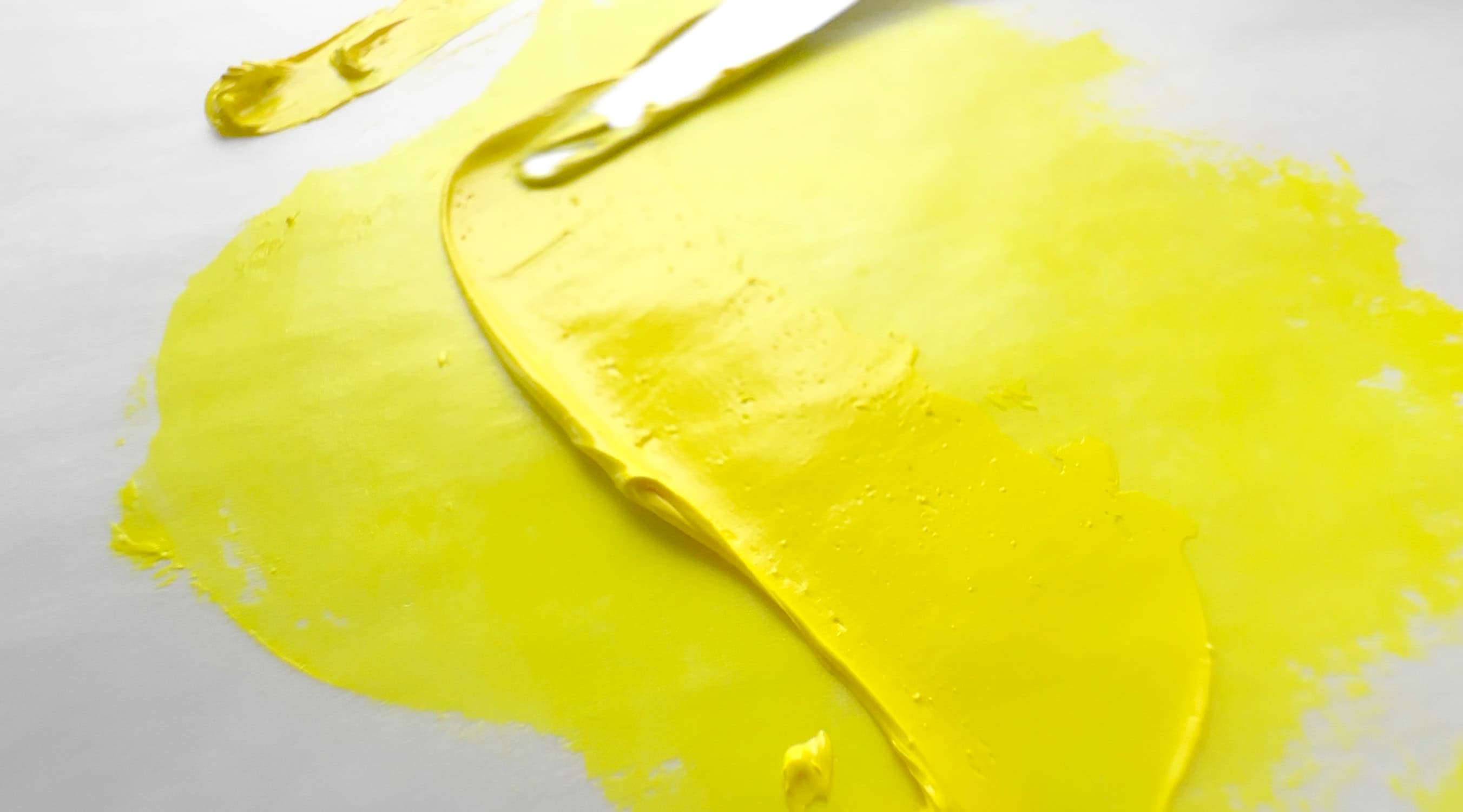
Vintage Chrome Yellow by Bellini in Oil Paint
Besides this there are other reasons to wonder about this color as it is known to darken- though modern means of manufacture (coating in silica) are said to help to mitigate this somewhat by coating the particle. Of the two modern paints we've tried they had masstones similar to colors in the cadmium yellows, though they did mix differently than cadmiums. Of the two we've tried, the primrose variety showed some color shift, possibly due to the sample we made having been later stored in the dark. We have heard of differences in manufacture that can mitigate darkening somewhat, however that goes beyond the scope of this article, and we feel the drawbacks outweigh any benefit. Please treat this pigment with extreme caution.
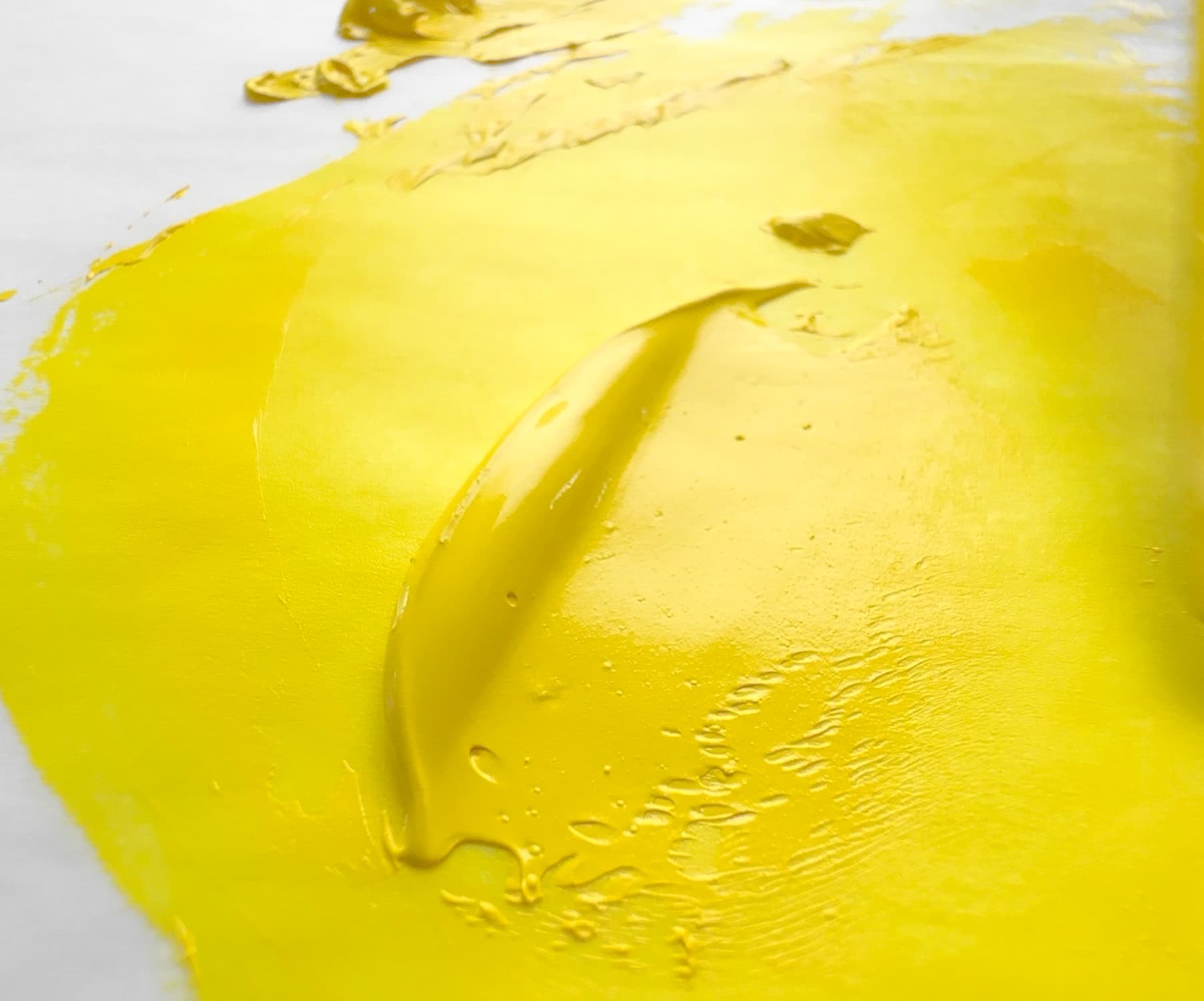
Rublev Chrome Yellow Light, PY34
We recently learned from an older manuscript that these toxic chrome yellows used to be used to adulterate more expensive cadmium yellows. So be aware that they may be hanging out undisclosed in old tubes of paint. They were also used to give a little boost to ochres, a trend that Rublev nods toward in their Chrome Ochre blend, which shows an awareness of this chrome-ochre convenience blend. We mention this as the health hazard of a chrome yellow may not have been disclosed on old tubes of yellow ochre, nor on old tubes of cadmium yellow. People may not realize how toxic these could be.
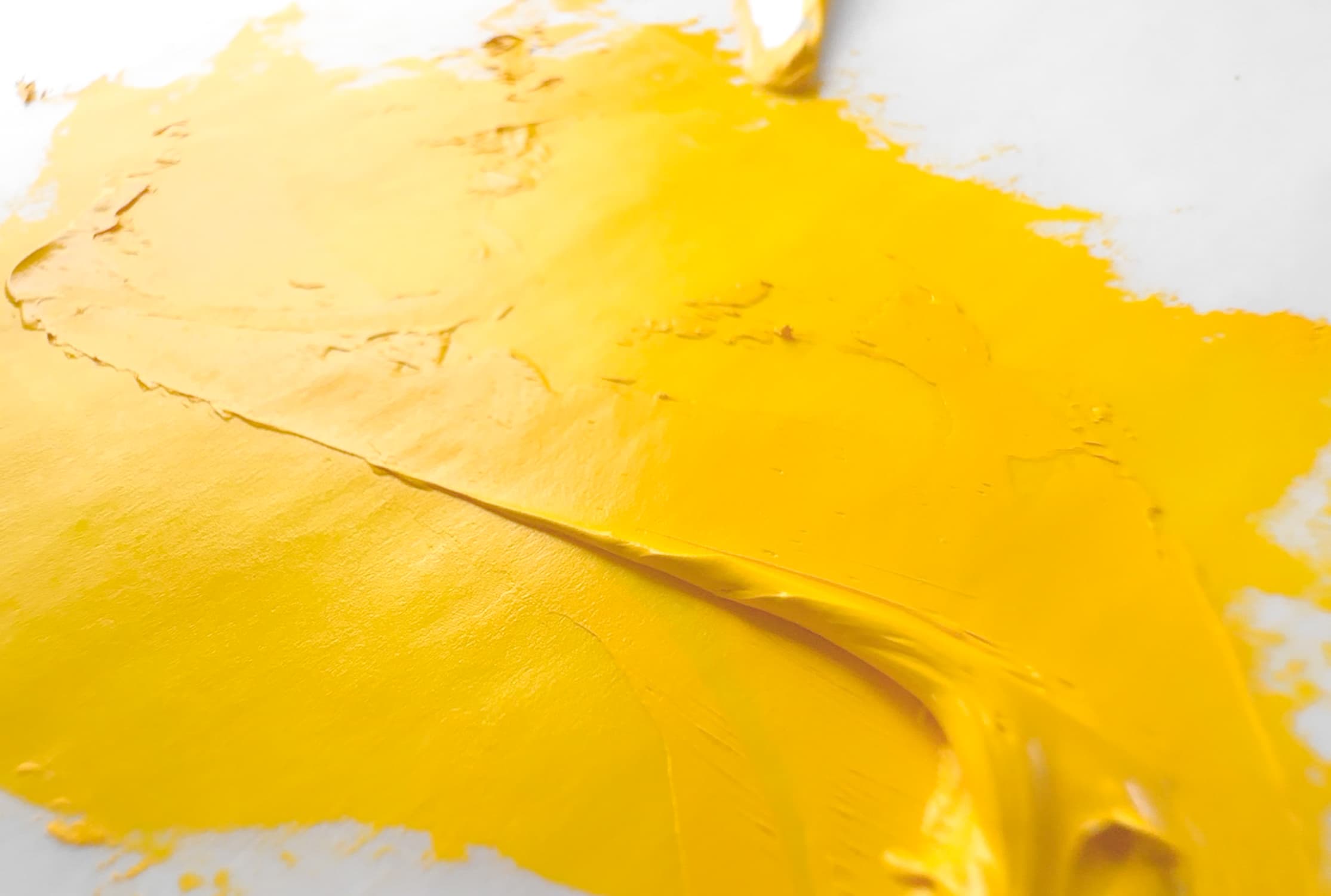
Vintage Winsor and Newton Chrome Yellow PY34
Our experience with this pigment tends to be a slow drier, though we have read that it is a fast drier in other places, so it is not clear what gave rise to that difference in experience.
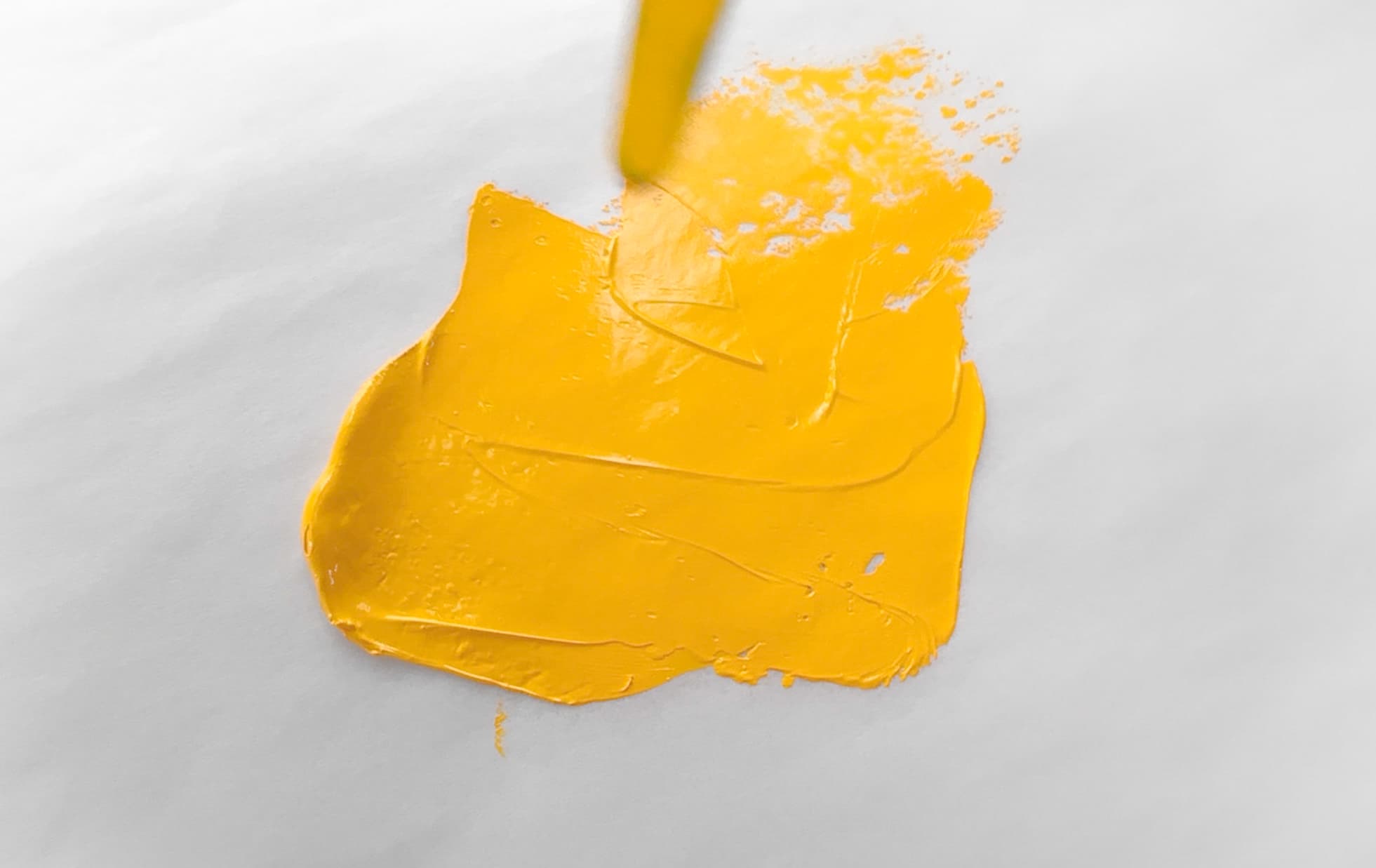
Vintage Maimeri Chrome Yellow, PY34
Resources
PY34 pigment data from David G. Myers, The Color of Art Pigment Database, Artiscreation.com,
Bomford, David, et. al,. Impressionism. London: The National Gallery, in association with Yale University Press,1990. Internet Archive, Web. Accessed June 2025. https://archive.org/details/impressionism0000unse_z3w3
Church, A. H.. The Chemistry of Paints and Painting. London : Seeley Service, 1915. Internet Archive, Web. Accessed June 2025. https://archive.org/details/chemistryofpaint00churuoft
Field, George. Field's Chromatography : a treatise on colours and pigments for the use of artists. London : Winsor and Newton, 1885. Internet Archive, Web. Accessed June 2025. https://archive.org/details/Fieldquotschrom00Fiel
Gettens, Rutherford J.. Painting materials : a short encyclopaedia. New York : Dover Publications, 1966. Internet Archive, Web. Accessed June 2025. https://archive.org/details/paintingmaterial0000gett
Feller, Robert L, ed.. Artists' pigments : a handbook of their history and characteristics. Washington, DC : National Gallery of Art, 1986. Internet Archive, Web. Accessed June 2025. https://archive.org/details/artistspigmentsh0000unse/mode/2up
Koleske, J. V. Paint and coating testing manual : Fourteenth edition of the Gardner-Sward handbook. Philadelphia, PA : ASTM1995. Internet Archive, Web. Accessed June 2025. https://archive.org/details/paintcoatingtest0000unse
Information about PY34 from Bruce MacEvoy, Handprint Guide to Watercolors, General information about this class of pigments from Handprint
CAMEO Materials Database: Conservation & Art Materials Encyclopedia Online, Museum of Fine Arts Boston. (n.d., accessed June 2025). Chrome Yellow https://cameo.mfa.org/wiki/Chrome_yellow.
Stats
Lightfastness
Known for significant issues
The ASTM I designation for this pigment is not without controversy. Issues include Darkening, Turning Green, etc. Tests cited in the 1980s NPIRI also report slight change in both masstone and tints in Florida outdoor exposures. There is only one figure in that source for masstone tests (i.e. no data for indoor testing on tints) but it has a qualifier that indicates that there was some variability in the test results.
Transparency
Semi-Opaque, Opaque
Toxicity
Extremely Toxic
This pigment likely contains hexavalent chromium which is extremely toxic. We’d be inclined to give it a more severe toxicity rating but we are not toxicologists so please consult the relevant experts. Artiscreation lists the toxicity as "C", meaning "Hazardous, use appropriate precautions for handling toxic substances, especially if working with the dry powder; Do not ingest; Avoid dust & spray." See the Artist's Guide to Health and Safety for information about the hazards of pigments containing Lead and also pigments containing Chrome, specifically Chromium VI. We urge others to consult multiple qualified third party experts.
Tinting
Medium
Dry Time
Varies
Some sources say fast, others slow to medium
Oil Content
Medium
Can vary, but mostly medium by volume
DISCLAIMER: Please note that we are not experts in health and safety and we are not toxicologists, please consult the proper experts. We are not liable for any issues that may arise from the use of our website or its contents. The information contained in this site is provided without warranty or guarantee of any kind. We do not necessarily endorse any other website that are linked from our site. For any important pigment specs, please reference the manufacturer details. If you discover errors or omissions, please reach out through our contact form. Thank you.
