

Lithopone
PW5
Pigment Description
An unusual white that is not often found as a single-pigment paint but may be lurking in other paints as an undisclosed ingredient. Described as "An insoluble mixture of barium sulfate and zinc sulfide" -Artiscreation. This has zinc in the name but it's not the same zinc white that causes cracking, which is called zinc oxide.
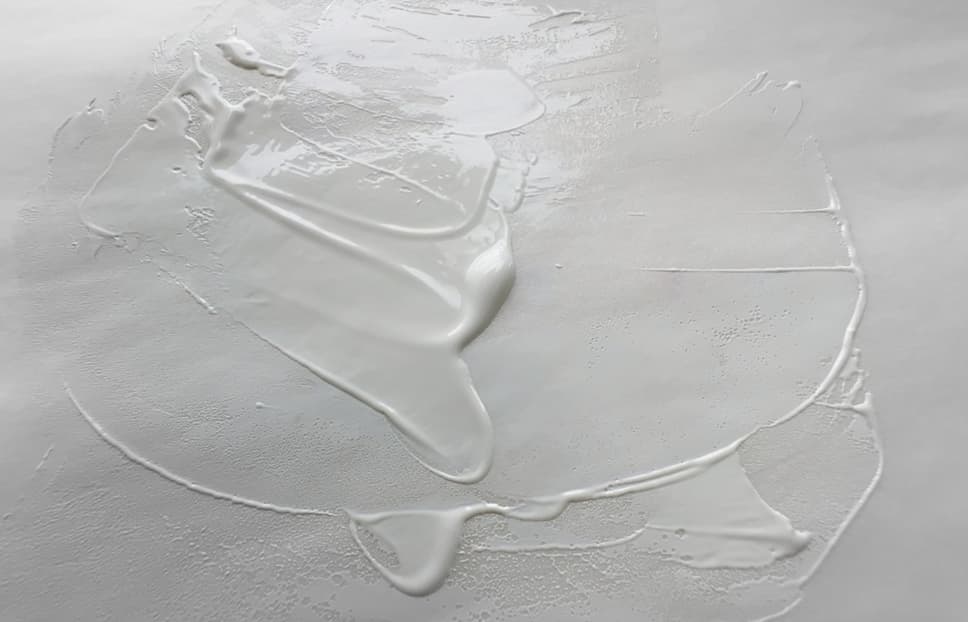
A bit of Lithopone from Rublev, PW5
Lithopone is a slow drying color. It’s a gentler white than titanium and is sometimes mentioned in the more obscure technical discussions on paints. In a world where PW4 is on everyone's radar, we've been looking for white pigments that will yield that extra bit of cool blueness in cyan tints. Lithopone had been suggested as a potential route, as it's not as opaque as titanium and is somewhat similar to zinc white, however we're awaiting more information about lithoopne’s lightfastness over time.
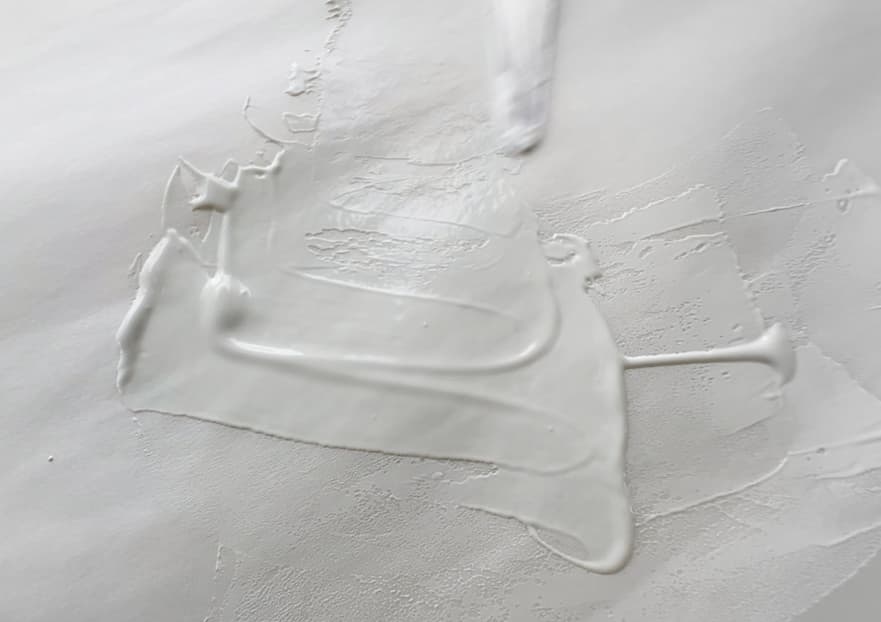
Lithopone from Rublev, PW5
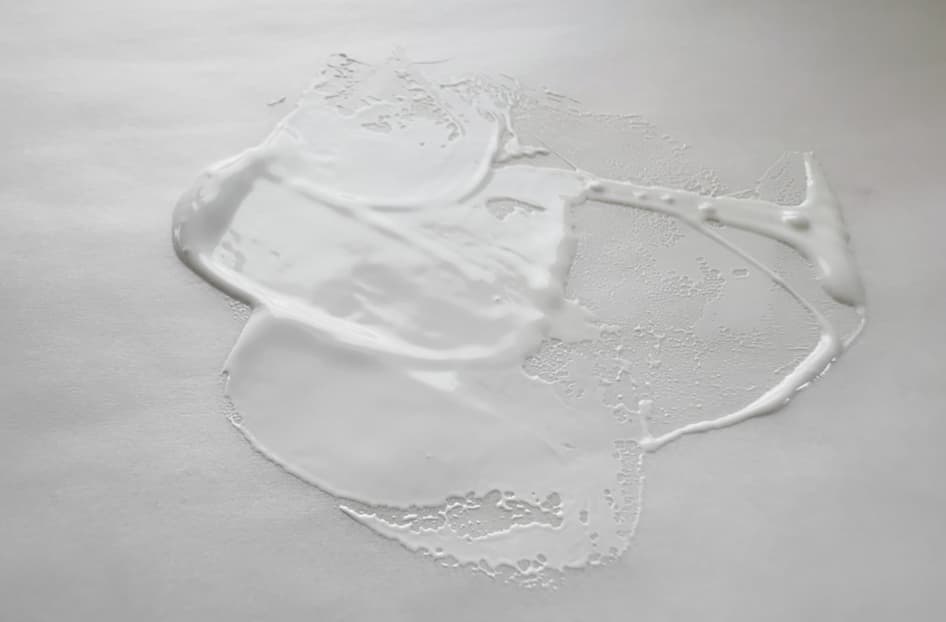
Melting edges, PW5 in oil paint
A group of pigments fared a bit worse in terms of lightfastness in a lithopone-safflower blend (see Golden's lightfastness testing). The binding oil does matter, so bear in mind this was in safflower oil. Their findings stated, "...In fact, there were a few instances when mixes with [lithopone] Porcelain White were less lightfast than corresponding mixes with other safflower whites. The existence of this group—composed of Permanent Green Light (PG7/PY3), Ultramarine Blue (PB29), Permanent Yellow Light (PY3), Egyptian Violet (PV23), and Fanchon Red (PR112)—suggests that lithopone (in safflower oil) may reduce the lightfastness of certain pigments. It’s also notable that Green Gold (PY129) faded about twice as much with Porcelain White as with Titanium White Safflower, though both tints exhibited relatively low lightfastness."
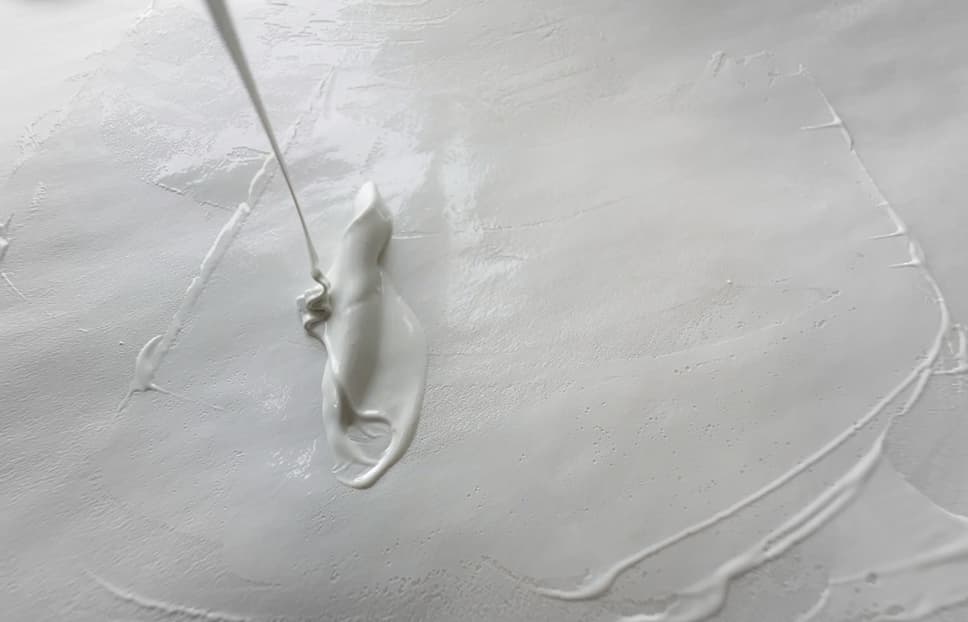
Lithopone is very long in oils
Interestingly, The Artist's Handbook mentions a certain yellow-greenness in oils, which is something we had not heard mentioned anywhere else but makes some sense based on experience. It also mentions that this pigment is sometimes used to "bulk out" other white paints as it is not very expensive. That could be interesting or important when it comes to the lightfastness of a given mixing white, especially if the lithopone is not stated on the label.
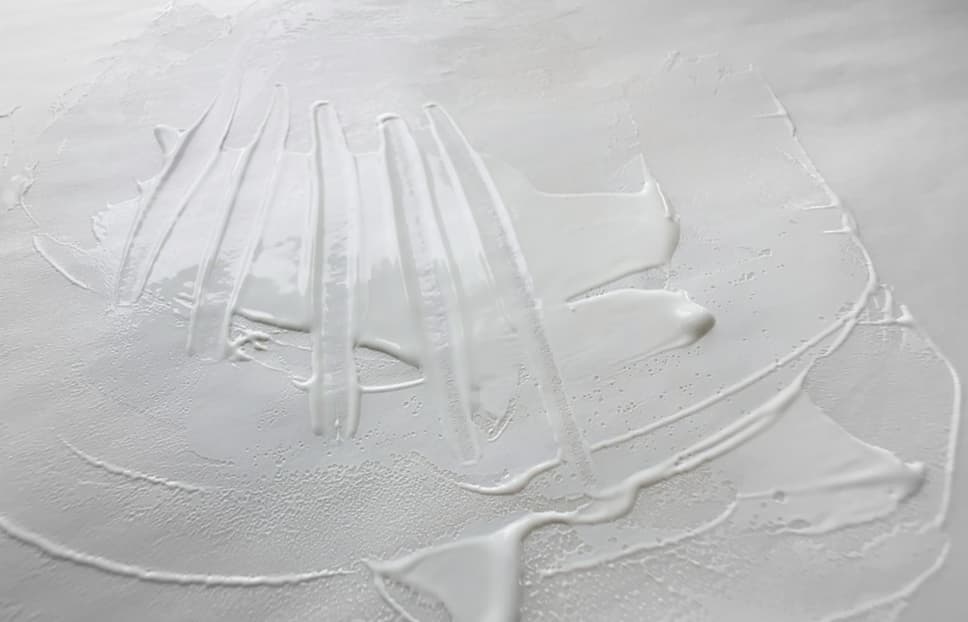
Lithopone doesn't have much natural impasto/body in oils
While pure versions are not soluble some grades may contain toxic impurities. This is mentioned in Monona Rossol's recent work, which can be found through her site. Additional information on zinc and barium pigments can be found in her book, The Artist's Guide to Health and Safety.
Resources
PW5 pigment data from David G. Myers, The Color of Art Pigment Database, Artiscreation.com
Information about PW5 from Bruce MacEvoy, Handprint Guide to Watercolors,
Rossol, Monona. The Artist's Complete Health and Safety Guide. New York, NY : Allworth Press, 2001. The book is rather dated, updated information is available from her website.
Stats
Lightfastness
May affect the lightfastness of pigments when used as a mixing white.
On the whole, pure lithopone white in safflower oil seemed to have a somewhat negative effect on the lightfastness of other pigments, though this could also be related to the safflower oil. Golden’s lightfastness testing with mixing whites found here has more information.
Transparency
Semi-Opaque
Semi-Transparent
Toxicity
Possible hazard, may contain toxic impurities
Monona Rossol's recent work mentions some types may contain soluble toxic barium impurities. Her work can be found through her site. Additional information on zinc and barium pigments can be found in her book, The Artist's Guide to Health and Safety. Contains Barium and Zinc. Treat all pigments and paints with studio safety protocols.
Tinting
Low
Dry Time
Medium
Medium, 2-7 Days
Oil Content
Low
Low by volume
Chemical Name
zinc sulfide coprecipitated with barium sulfate
ZnS and BaSO₄ (mixture, some say coprecipitated zinc sulfide and barium sulfate)
DISCLAIMER: Please note that we are not experts in health and safety and we are not toxicologists, please consult the proper experts. We are not liable for any issues that may arise from the use of our website or its contents. The information contained in this site is provided without warranty or guarantee of any kind. We do not necessarily endorse any other website that are linked from our site. For any important pigment specs, please reference the manufacturer details. If you discover errors or omissions, please reach out through our contact form. Thank you.
