

Zinc Oxide White
PW4
Alternate Names
Chinese White
Blanc de Zinc
Zinkweiss
Zinc White
Pigment Description
An icy white, a semi-translucent white, what was once thought of as a great pigment to add to oil paints. As a white pigment it was thought of as a solution to work around the use of Lead White, PW1, but new research suggests that it may actually cause cracking and early embrittlement in oil paint. Zinc Oxide seems to be safe for other media though. For example, zinc appears to be fine in watercolor, that is, if you even use white in watercolor.
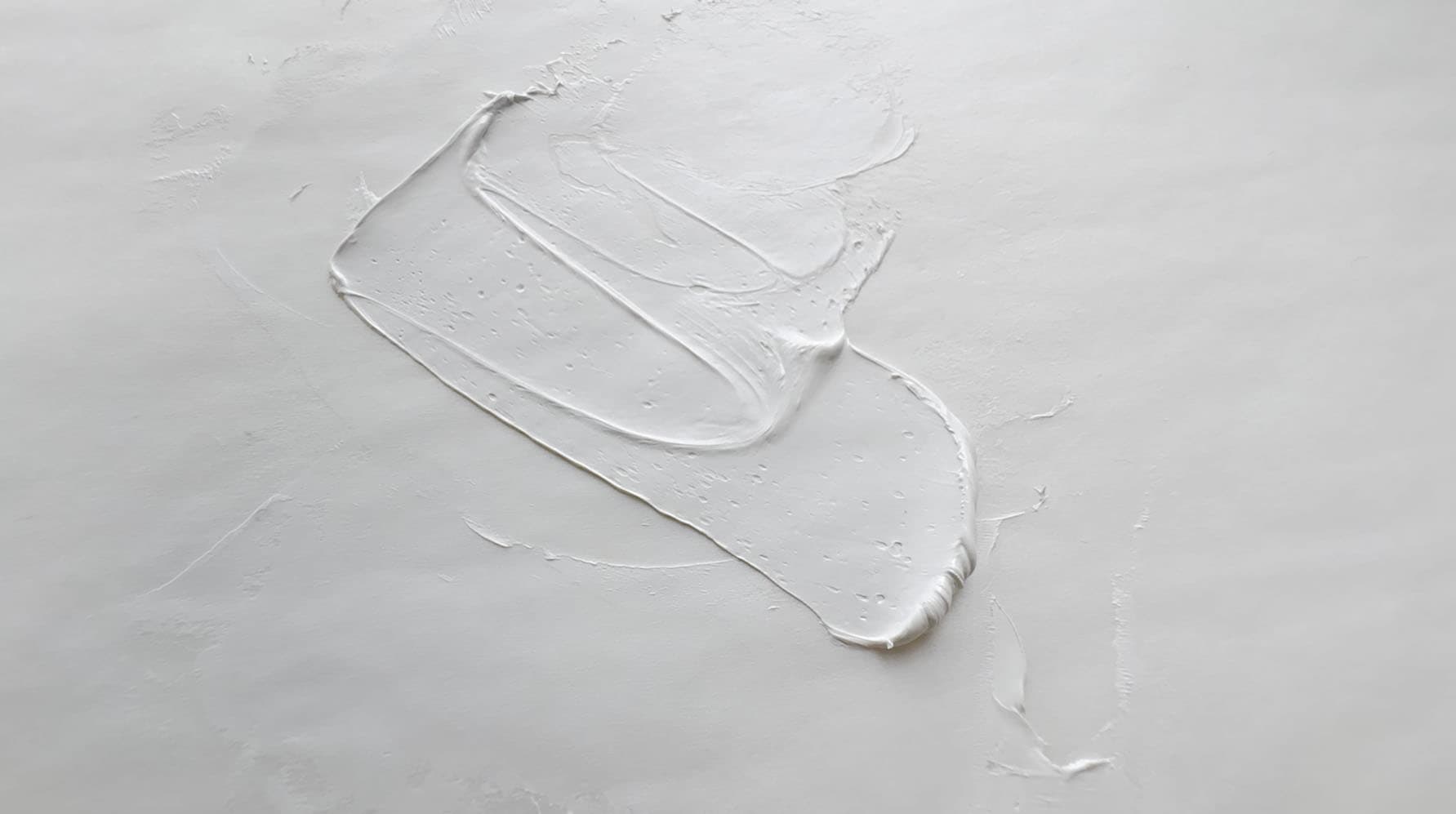
M Graham Zinc White in Walnut Oil
The visual benefits of zinc on a color blend are almost too numerous to list, which is why it is much-missed. It has a lovely semi-opacity which helped to modulate Titanium White's stark opacity. In blends it added a certain je ne sais quoi to the look of a pastel color, and there are a few color blends that don't seem to be perfectly replaceable when zinc is removed. Zinc Oxide is sometimes described as a crisp, cool white, though this may not always be the case. Back when we used to use it, we favored the bluer versions of zinc for mixes with cyans to make blue tints. However some of the blue pigments may be negatively affected in tints of pure zinc oxide (see Golden’s research on mixing whites. Zinc's note of translucency is prized in many forms of realistic painting or to make atmospheric effects in abstract painting.
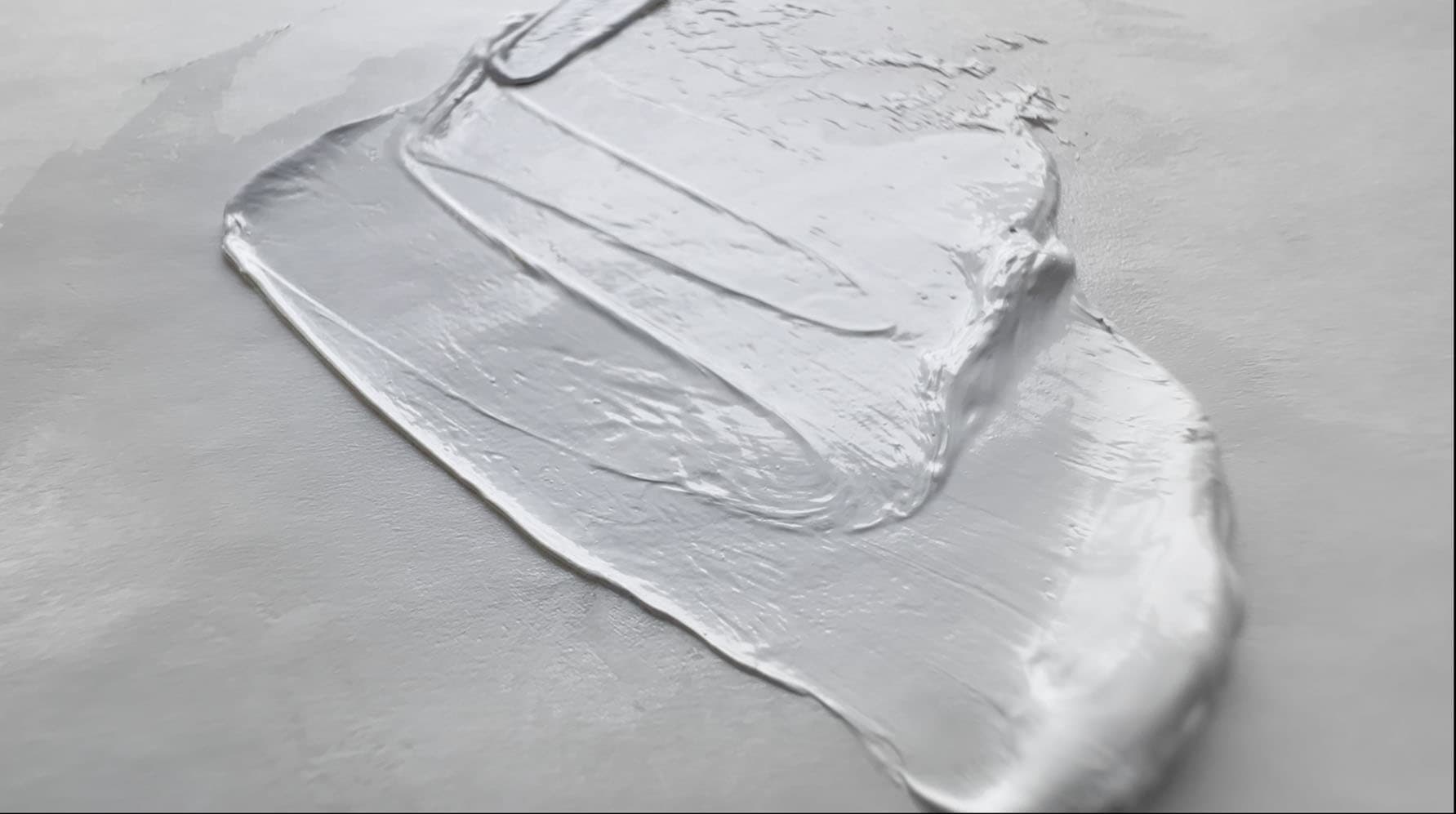
Rumored to be the brightest white in oils, but use with caution. Vintage Permalba White, whose mystery formulation contained Zinc White
Many convenience colors contained a bit of zinc white to soften the overall look, and some brands have reformulated their paints to remove PW4. It is hard to replace it entirely, and so certain blends cannot be perfectly recreated. Zinc was celebrated for its role in emulating some of the gentle, gauzy transparency of lead white without the lead-- though, shocker, zinc might actually contain lead sometimes (more below). Zinc is a very slow drier.
One of the most ubiquitous uses for Zinc White in blends was actually in the formulation of Titanium White. In some cases, a brand's basic Titanium White contained a hearty dose of zinc as a matter of course as it imparted desirable working properties to the Titanium. Some brands may not actually be disclosing on the tube whether there is PW4 (unlisted) in their Titanium White, and in general disagreement about zinc white seems to be the rule (for reference, we noticed this discussion. If a person wishes to avoid Zinc, be sure to check the pigment codes on the back of the tube, as Zinc White, PW4 may be listed.
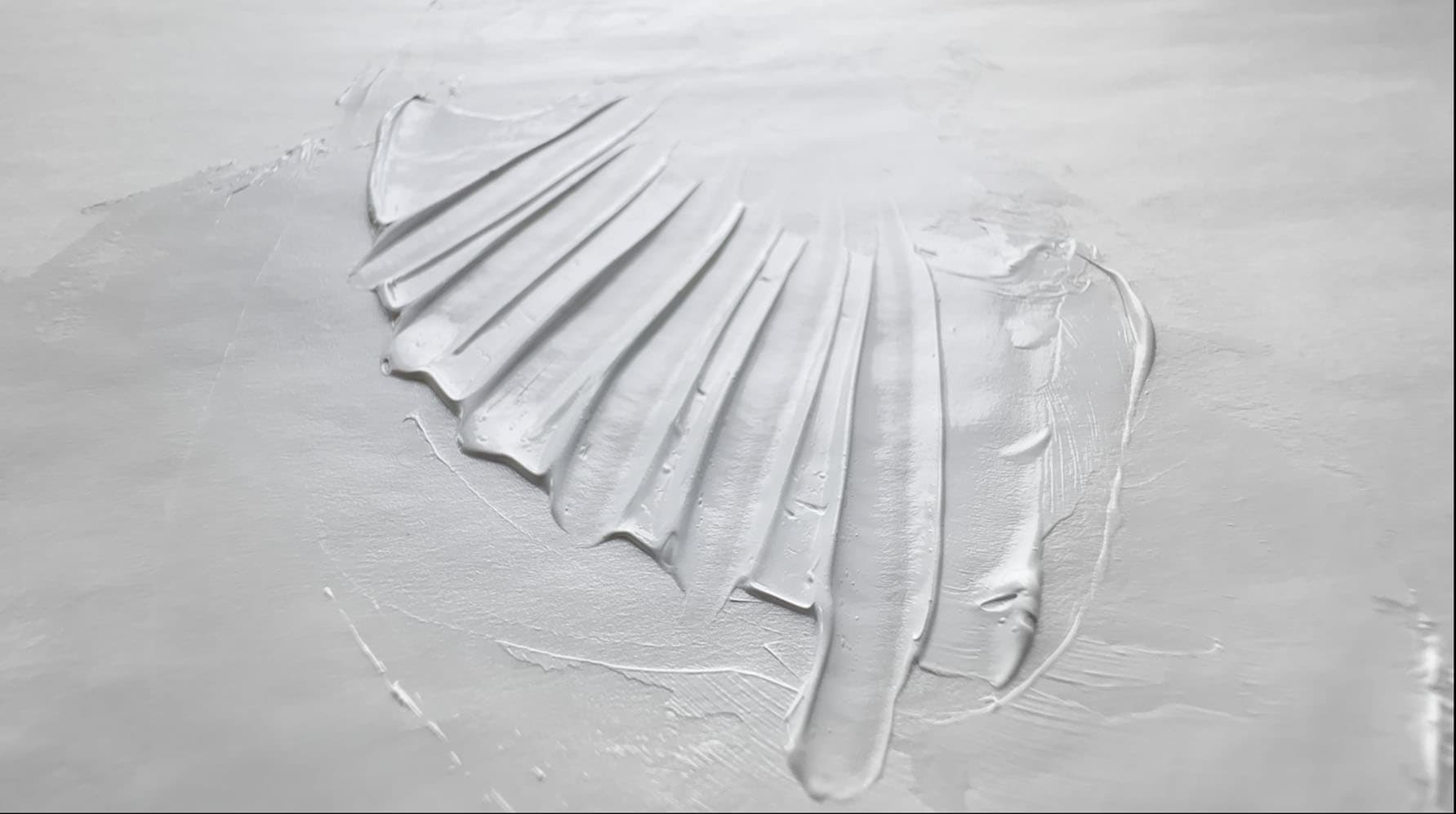
Permalba White from a Vintage paint tube. Though the exact formulation is not widely known, it is said to contain Zinc White
Once upon a time, we actually sold off a bunch of expensive oil colors on ebay because they contained zinc. There's been no looking back. Theoretically it could be possibly that a helpful amount of zinc in oil paints could exist (it's complicated), but it might be years before we know how much zinc is beneficial and how much will cause early embrittlement of a painting.
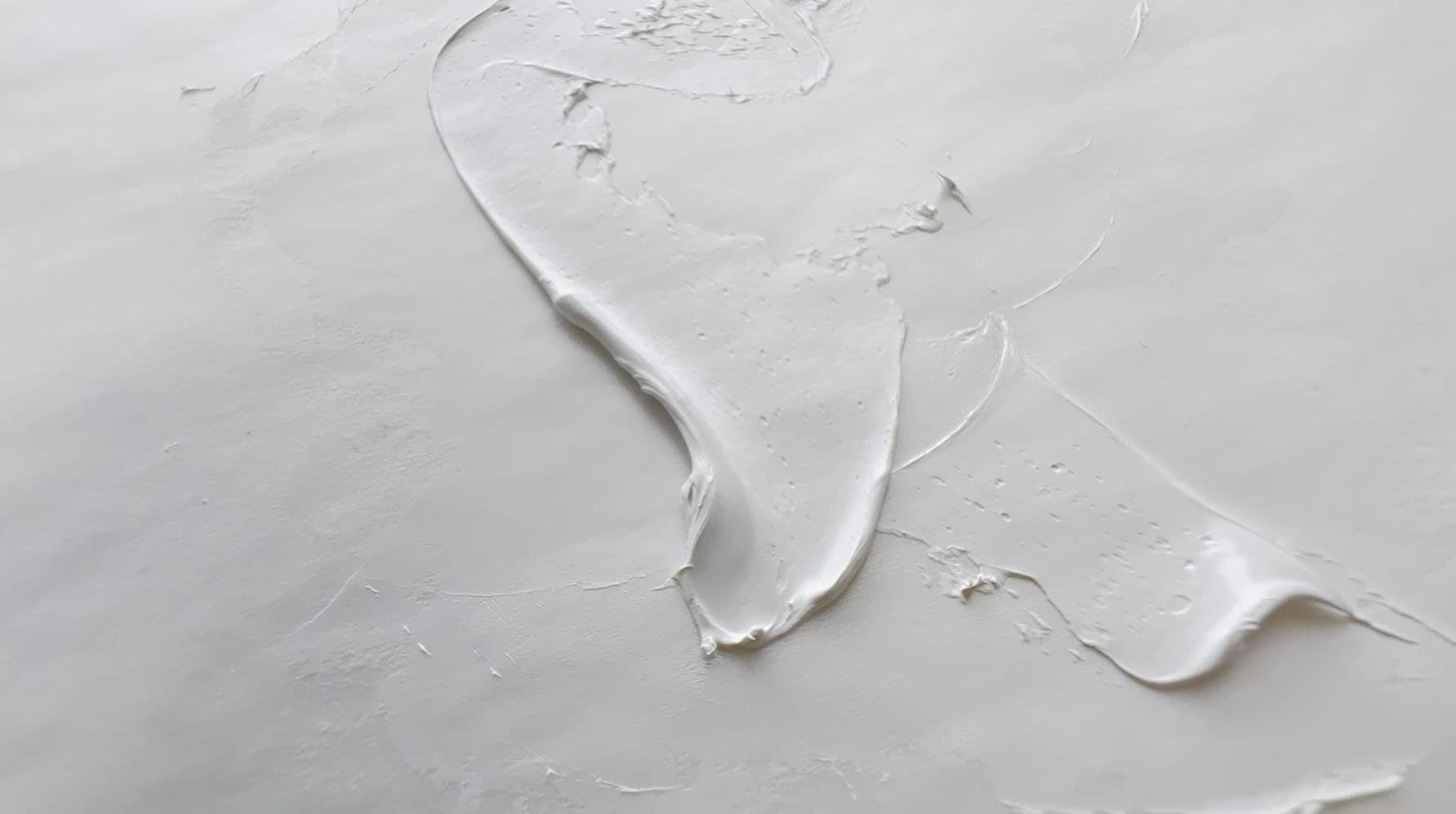
M Graham Zinc White in oils
This color has been the subject of a lot of controversy in oils due to its role in cracking. However, it is now widely recognized that too much zinc can be linked to early embrittlement and delamination. A name that comes up frequently in zinc research is Marion Mecklenburg. In 2018, Golden undertook research on zinc and embrittlement. They published a series of articles on their research:
Zinc Oxide Warnings, Cautions, and Best Practices,
Zinc Oxide Reviewing the Research
Zinc Oxide Search for the Dividing Line, and also there is
Natural Pigments Zinc Free Zone.
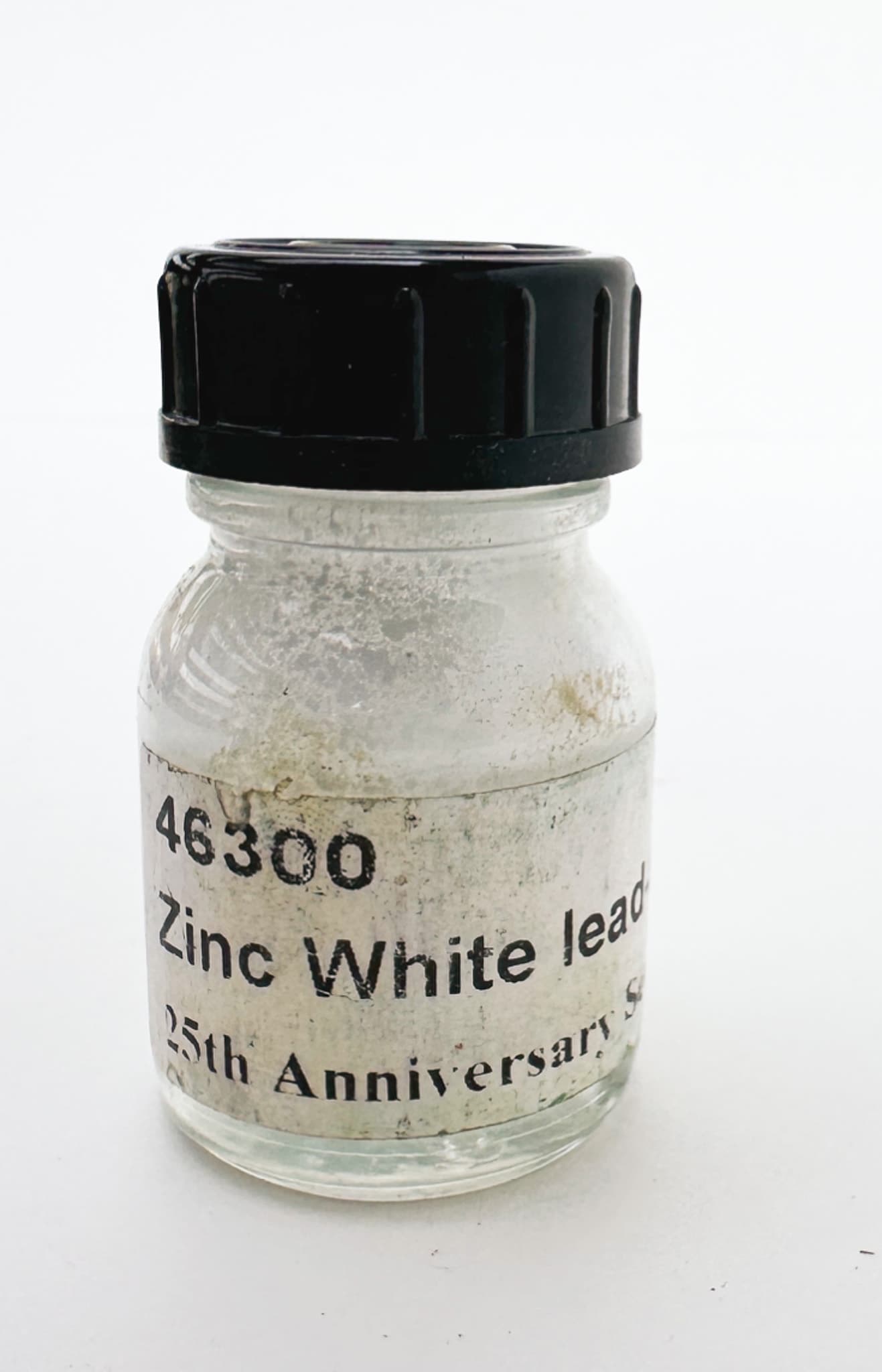
Kremer Pigments Zinc White lead-free, PW4 dry pigment
As mentioned earlier, as an additional caution, Zinc white PW4 sometimes contains lead-- see Monona Rossol's work for more information. This explains why some dry pigment is marked "zinc white - lead free". For more information on the hazards associated with zinc pigments, refer to Monona Rossol's book, The Artist's Guide to Health and Safety.
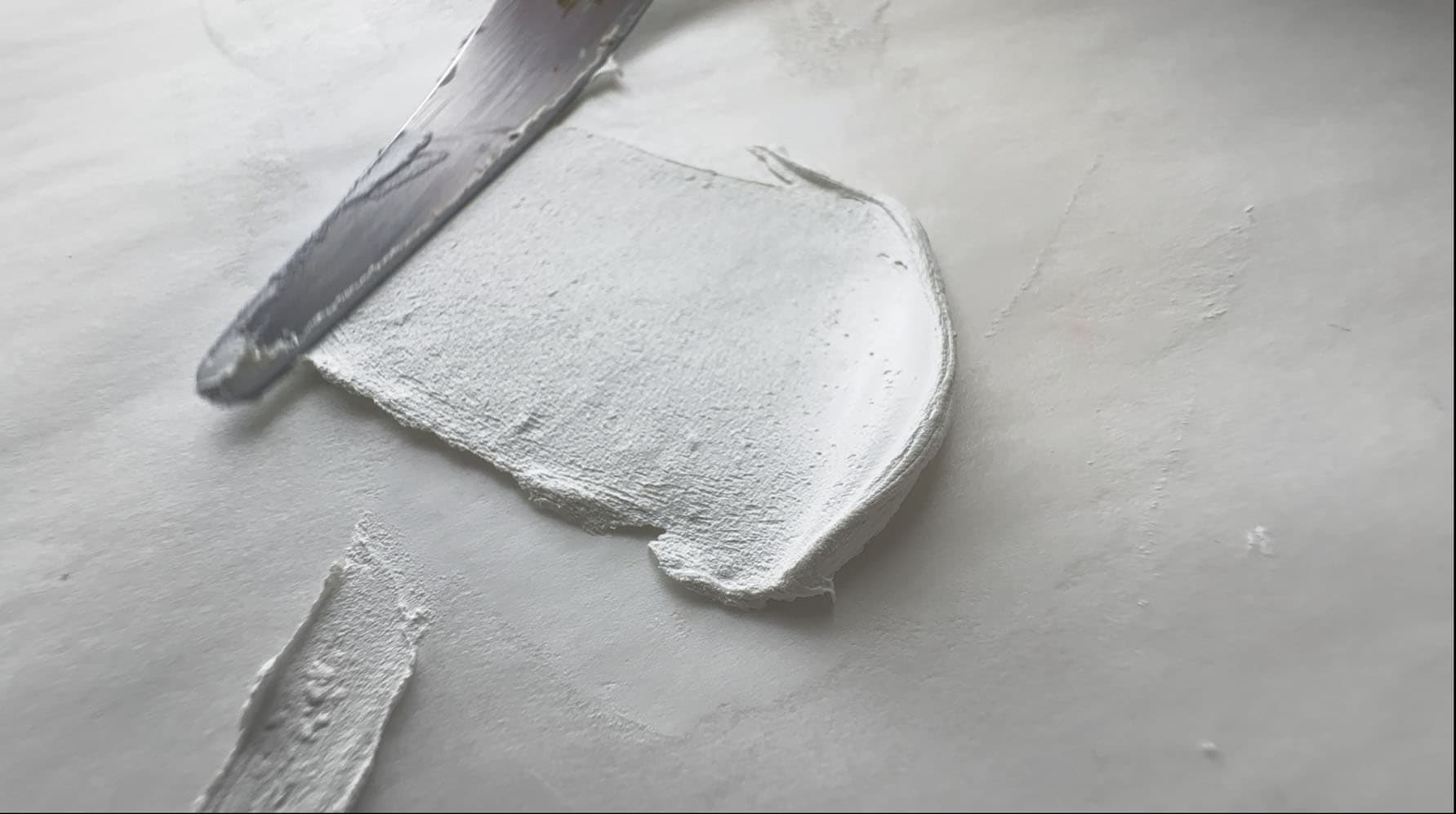
Vintage Bellini Zinc White that has a visible texture
As an interesting aside, there are different ways in which zinc was prepared. Long ago, there used to be a version with a larger particle size.
Resources
PW4 pigment data from David G. Myers, The Color of Art Pigment Database, Artiscreation.com,
Elliott, Virgil. Traditional Oil Painting. Echo Point Books & Media, LLC, 2019. https://amzn.to/4nwIdzq,
Sands, Sarah (2018, February 21). Zinc Oxide: FAQ https://justpaint.org/zinc-oxide-faq/. Just Paint, Golden Artist Colors.,
Sands, Sarah (2018, February 21). Zinc Oxide – Reviewing the Research https://justpaint.org/zinc-oxide-reviewing-the-research/. Just Paint, Golden Artist Colors.
,Sands, Sarah (2021, December 9). Update on Zinc – Search for the Dividing Line https://justpaint.org/update-on-zinc/. Just Paint, Golden Artist Colors.
CAMEO Materials Database: Conservation & Art Materials Encyclopedia Online, Museum of Fine Arts Boston. (Accessed June 2025). Antimony White https://cameo.mfa.org/wiki/Antimony_white. Museum of Fine Arts Boston,
Rossol, Monona. The Artist's Complete Health and Safety Guide. New York, NY : Allworth Press, 2001. The book is rather dated, updated information is available from her website.
Stats
Lightfastness
May affect the lightfastness of pigments when used as a mixing white
On the whole, pure zinc white in linseed oil seemed to have a somewhat negative effect on the lightfastness of other pigments. Golden’s lightfastness testing with mixing whites found here has more information. Oddly that effect was not the same in blends of zinc and titanium, nor in ASTM mixing white which also contains zinc oxide.
Transparency
Semi-Opaque, Semi-Transparent
Zinc Oxide was prized for its ability to make more filmy glazes. Overall it did not have the intense opacity in oil as Titanium White.
Toxicity
Previously thought to be the category of lower concern, may contain lead as a toxic impurity
Monona Rossol's book, The Artist's Guide to Health and Safety has more information on lead in pigments. Her most recent work available on request here mentions 1-3% lead as a possible impurity. If and when that is present that could be serious. We are not toxicologists so please consult the relevant experts. Treat all pigments and paints with studio safety protocols.
Tinting
Medium
Dry Time
Very Slow
Some paintmakers list this color as 10-21+ days for drying time. If a paint is drying significantly faster it may contain driers (we noted several kinds which dry in 2-5 days). We have also read that zinc white promotes drying, which is interesting given that it is said to be a terrible drier, and according to Church, a highly siccative oil had to be developed in order to turn it into an oil paint. Mayer also notes that this is a very slow drier. He wrote in 1970 that it formed "hard and brittle" paint films.
Oil Content
Low to Medium
In comparison to other colors, zinc white does not require a lot of oil by volume. It is similar to Titanium White and is actually fairly low. Mayer also assigns it to the low category with a figure of 71, which is low.
Particle Size
Varies
Chemical Name
Zinc Oxide
DISCLAIMER: Please note that we are not experts in health and safety and we are not toxicologists, please consult the proper experts. We are not liable for any issues that may arise from the use of our website or its contents. The information contained in this site is provided without warranty or guarantee of any kind. We do not necessarily endorse any other website that are linked from our site. For any important pigment specs, please reference the manufacturer details. If you discover errors or omissions, please reach out through our contact form. Thank you.
