

Top Pigment
Quinacridone Magenta
PR122
Alternate Name
Quinacridone Magenta Y
Pigment Description
A fabulously cool, almost retreating magenta. This is a staple pigment for any palette. Quinacridone Magenta is a useful ingredient for mixing vivid, cool magentas and violets. This pigment is so versatile that it is a candidate for inclusion in even the strict limited palettes.
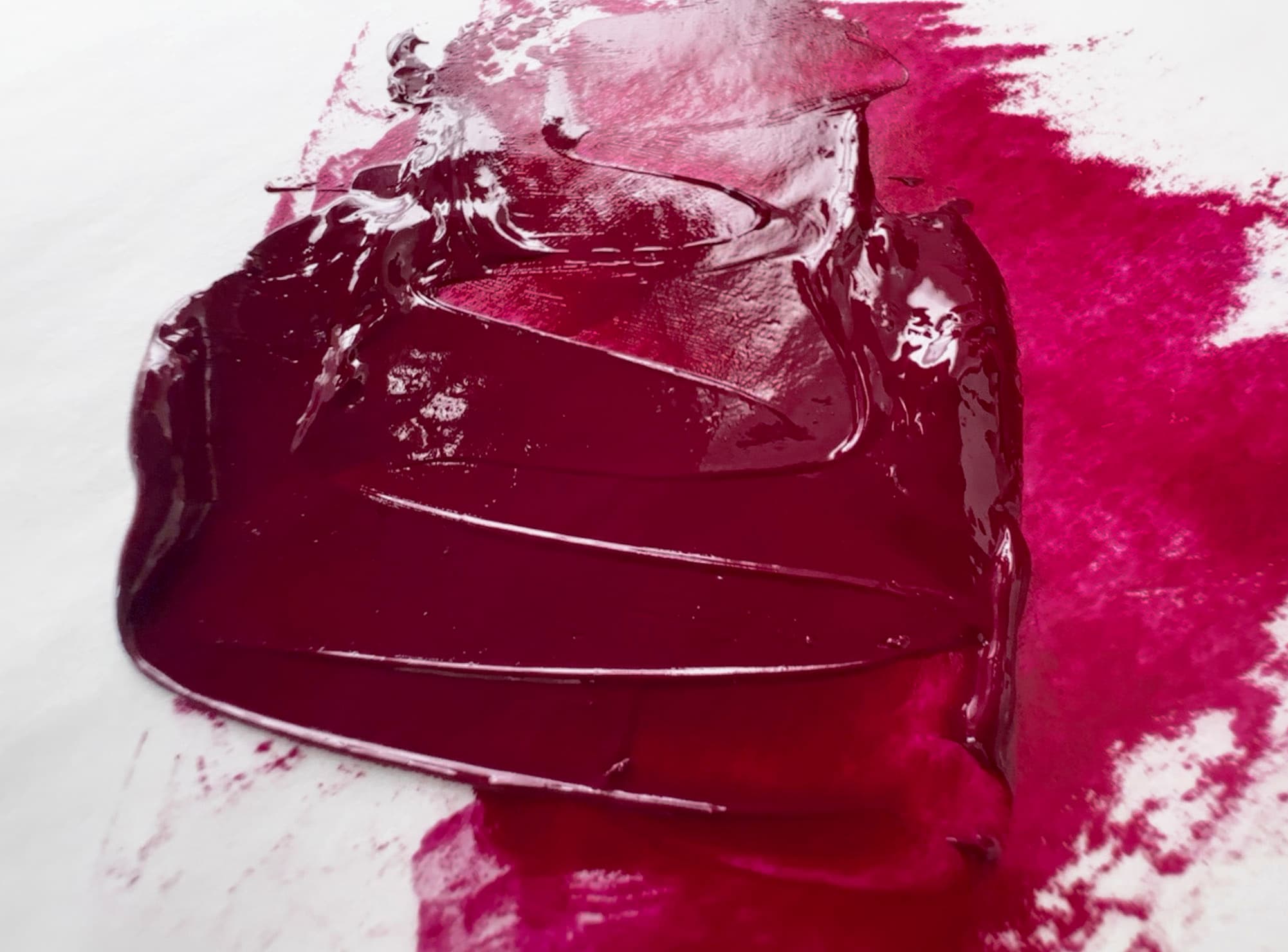
Michael Harding Magenta, made with PR122
No other pigment is quite in the same class as far as reds that lean toward violet. In mixes with blues, Quinacridone Magenta makes smashing purples and fuchsias. Quinacridone Magenta can also help to tune reds towards crimson.
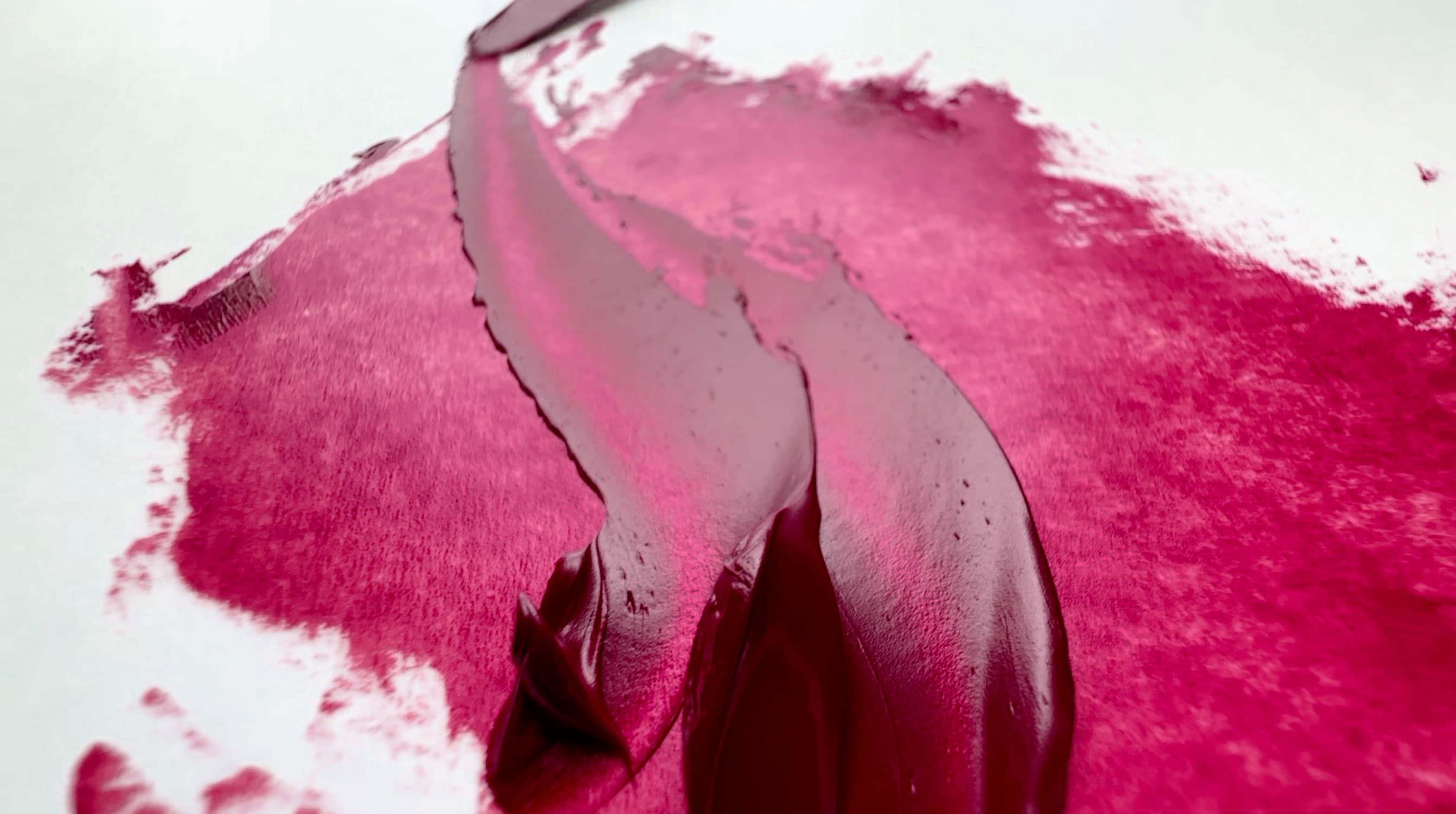
Old Holland Magenta, PR122
On its own, it tends to have excellent lightfastness (as far as magentas go) depending on the supplier. Not every pigment supplier gets excellent results though, so you may wish to do your own lightfastness testing. If using watercolor, refer to Bruce MacEvoy’s discussion of this pigment.
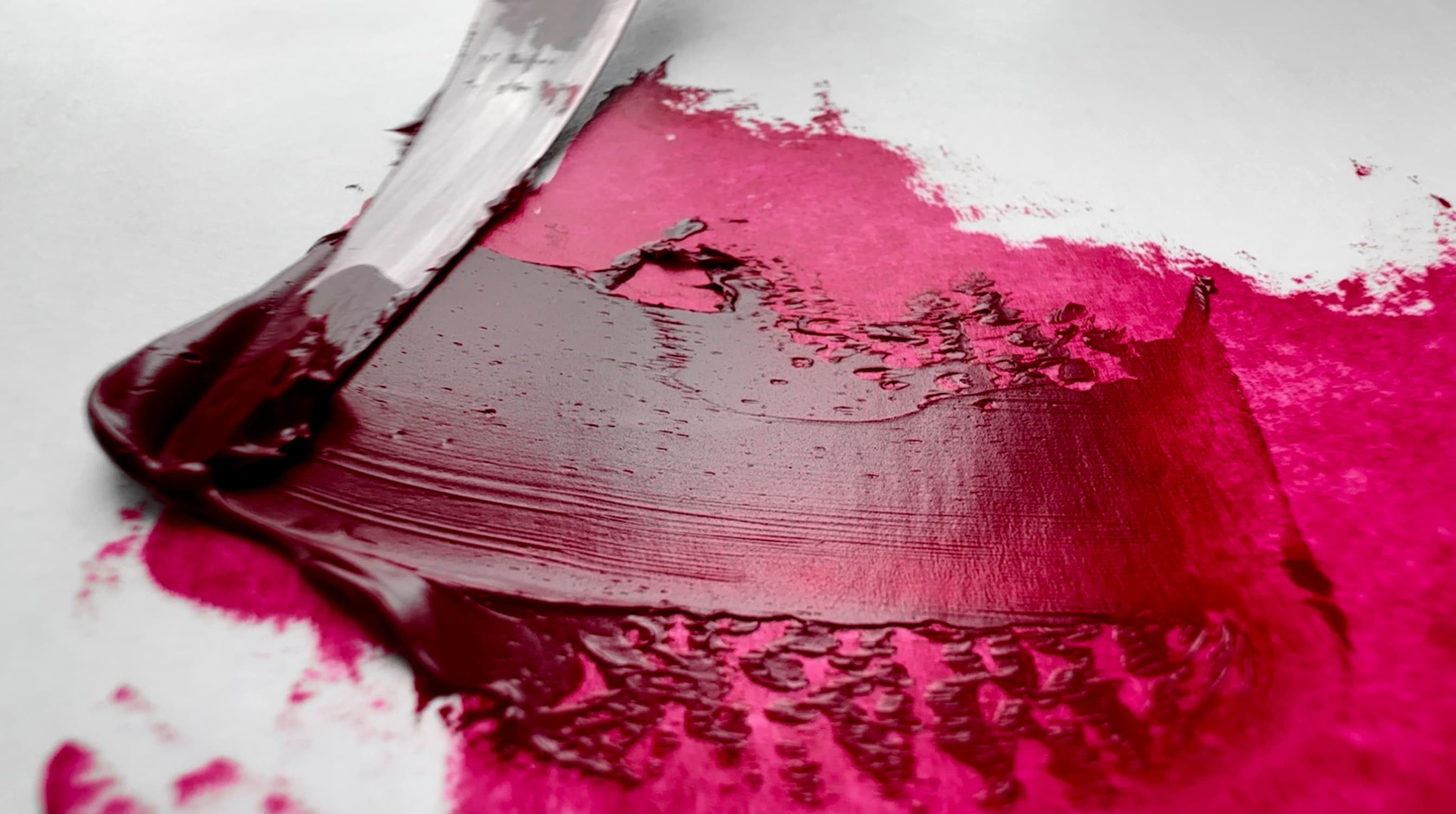
Quinacridone Magenta, PR122, by Old Holland
Quinacridone Magenta's depth in masstone can be a bit deceptive when looking at digital color swatches. When spread thinly or used as a glaze its vibrancy shines through. Generally PR122 is quite transparent, however there are some rarer versions which can be opaque.
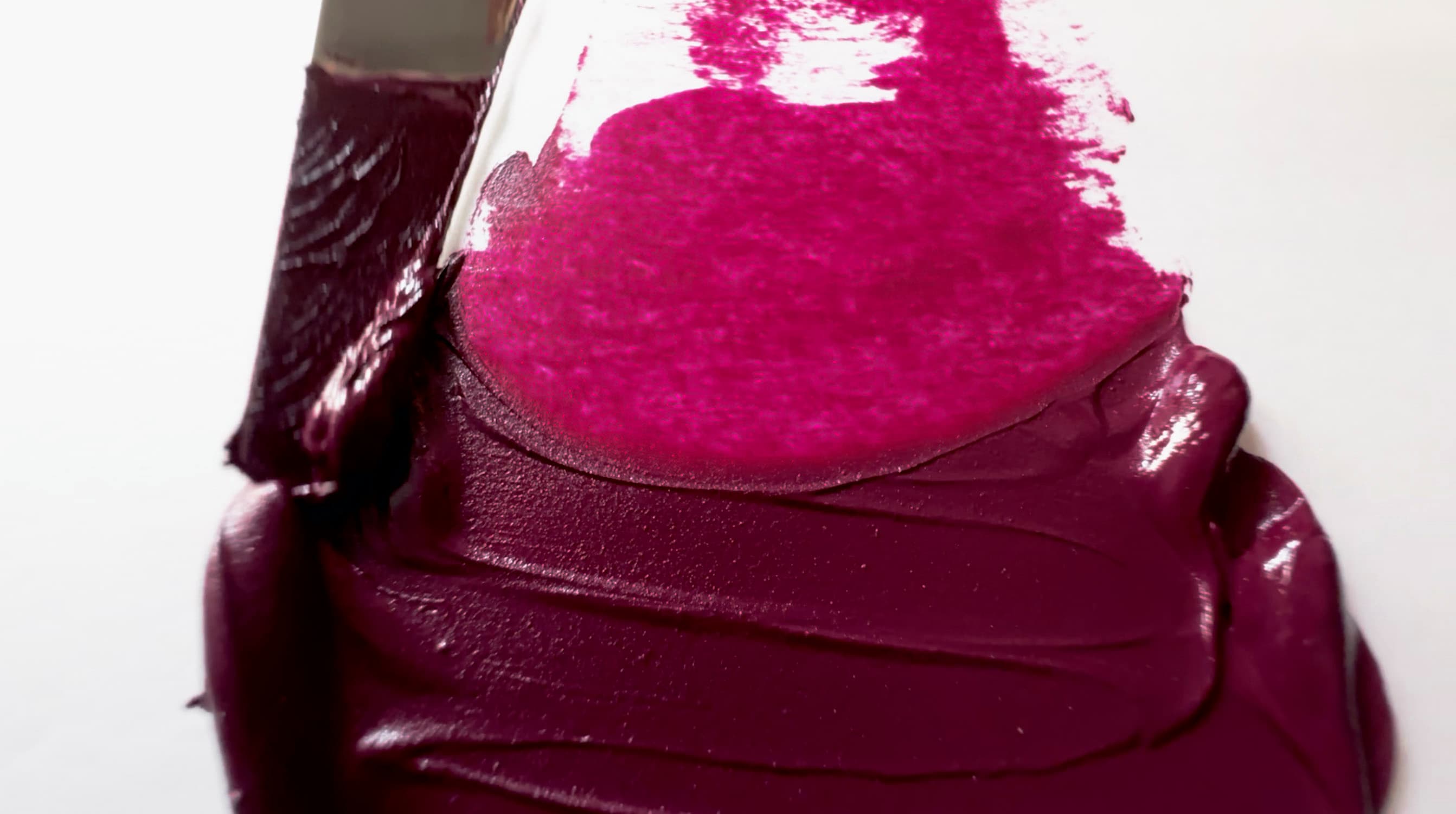
Williamsburg Quinacridone Magenta is deep in masstone and vibrant when thin
One of the areas where Quinacridone Magenta is most useful has to do with tints.

Williamsburg Quinacridone Magenta, PR122. While differences in this pigment range tend to be subtle, Williamsburg has one of the bluer-leaning versions of PR122
There are rumors of another form of this pigment which is opaque. While we're not sure whether this paint is one of those forms, RGH does sell an opaque lighter Quinacridone Magenta.
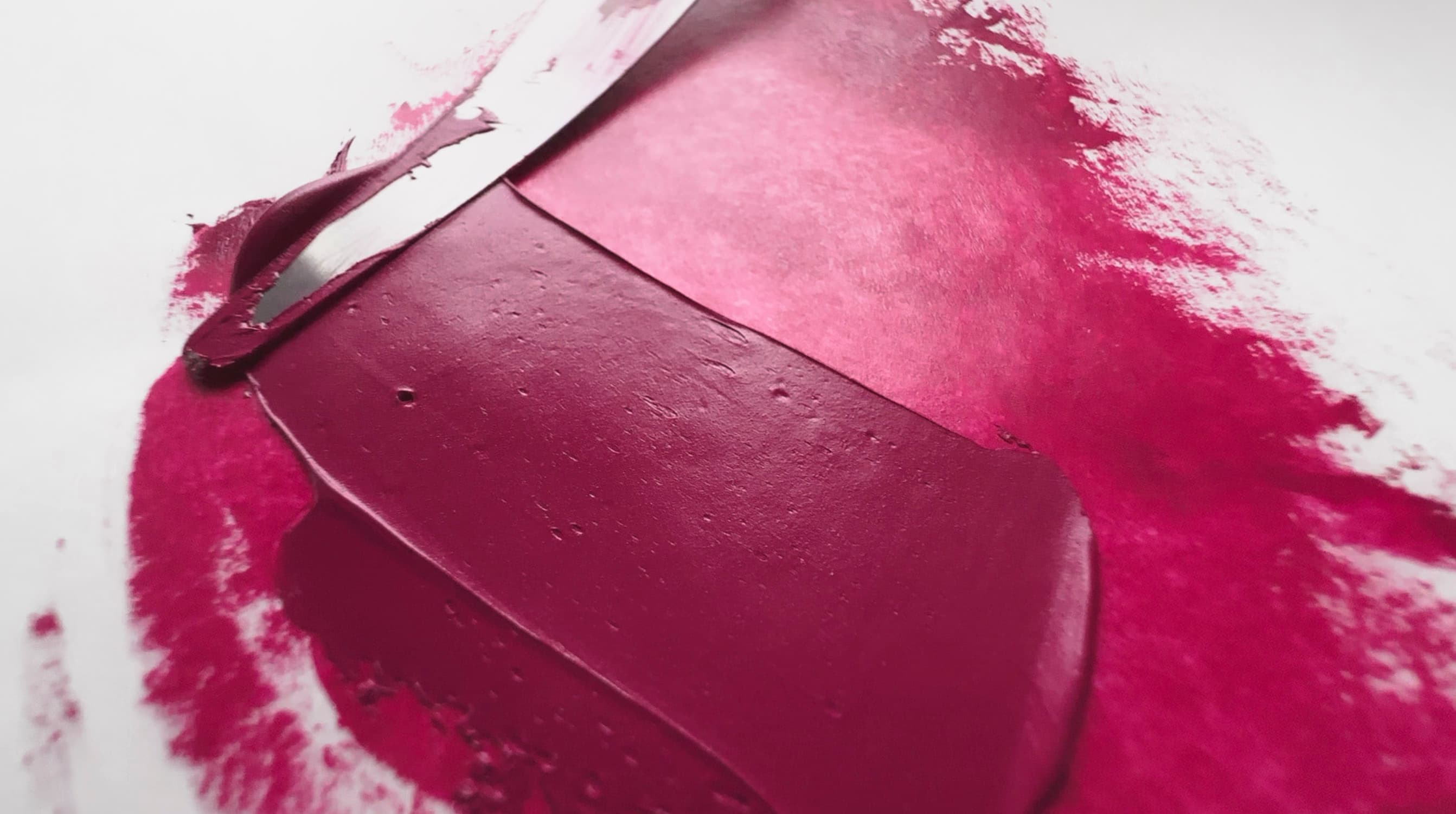
RGH Quinacridone Magenta Light, PR122
Resources
PR122 pigment data from David G. Myers, The Color of Art Pigment Database, Artiscreation.com
Information about PR122 from Bruce MacEvoy, Handprint Guide to Watercolors, General information about this class of pigments from Handprint,
Stats
Lightfastness
Excellent, though may vary by manufacturer, see also note on use in watercolor
The lightfastness of this pigment may vary depending on the pigment supplier. Golden’s version performed extremely well in their recent Lightfastness testing. Their version of Quinacridone Magenta dipped only slightly in pure zinc, and in a mystery brand of Lead White which still showed ASTM II- Very Good. In all other mixing whites their particular Quinacridone Magenta pigment performed at ASTM I - excellent except in zinc and certain lead whites. Bruce MacEvoy has an interesting discussion of this pigment in watercolor. A version of ASTM tests listed it as ASTM III in watercolor, but Bruce MacEvoy’s findings put it closer to ASTM I and he lists it as a top 40 pigment. The version we found tested by the NPIRI from the 1980s performed excellently even in outdoor tests in Florida sunlight.
Transparency
Transparent, Semi Opaque
Mostly transparent in oil, however there are a few versions which are semi-transparent or semi-opaque. We have also encountered a subvariant of this pigment which seems to be opaque, but it is quite rare.
Toxicity
Hazard, Use more caution
Treat all pigments and paints with studio safety protocols.
Tinting
Strong
Dry Time
Medium to Slow
Some oil paints are in the Medium category (3-5 days), while others are more like 5-14 days. This made us wonder if the some of the medium dry-time varieties contain driers.
Particle Size
Very fine, but depends on pigment manufacturer
Chemical Name
Quinacridone
DISCLAIMER: Please note that we are not experts in health and safety and we are not toxicologists, please consult the proper experts. We are not liable for any issues that may arise from the use of our website or its contents. The information contained in this site is provided without warranty or guarantee of any kind. We do not necessarily endorse any other website that are linked from our site. For any important pigment specs, please reference the manufacturer details. If you discover errors or omissions, please reach out through our contact form. Thank you.
