

Top Pigment
Synthetic Iron Oxide Red
PR101
Alternate Names
Indian Red
Mars Red
Mars Violet
Pigment Description
While red earth is perhaps the oldest pigment, PR101 refers to the synthetic earths, while PR102 is for naturally occurring red earths. Red iron oxide pigments are useful in mixtures to complement blues, to make a range of flesh tones, and to create deep dark passages at low lightnesses or to create glowing chroma.
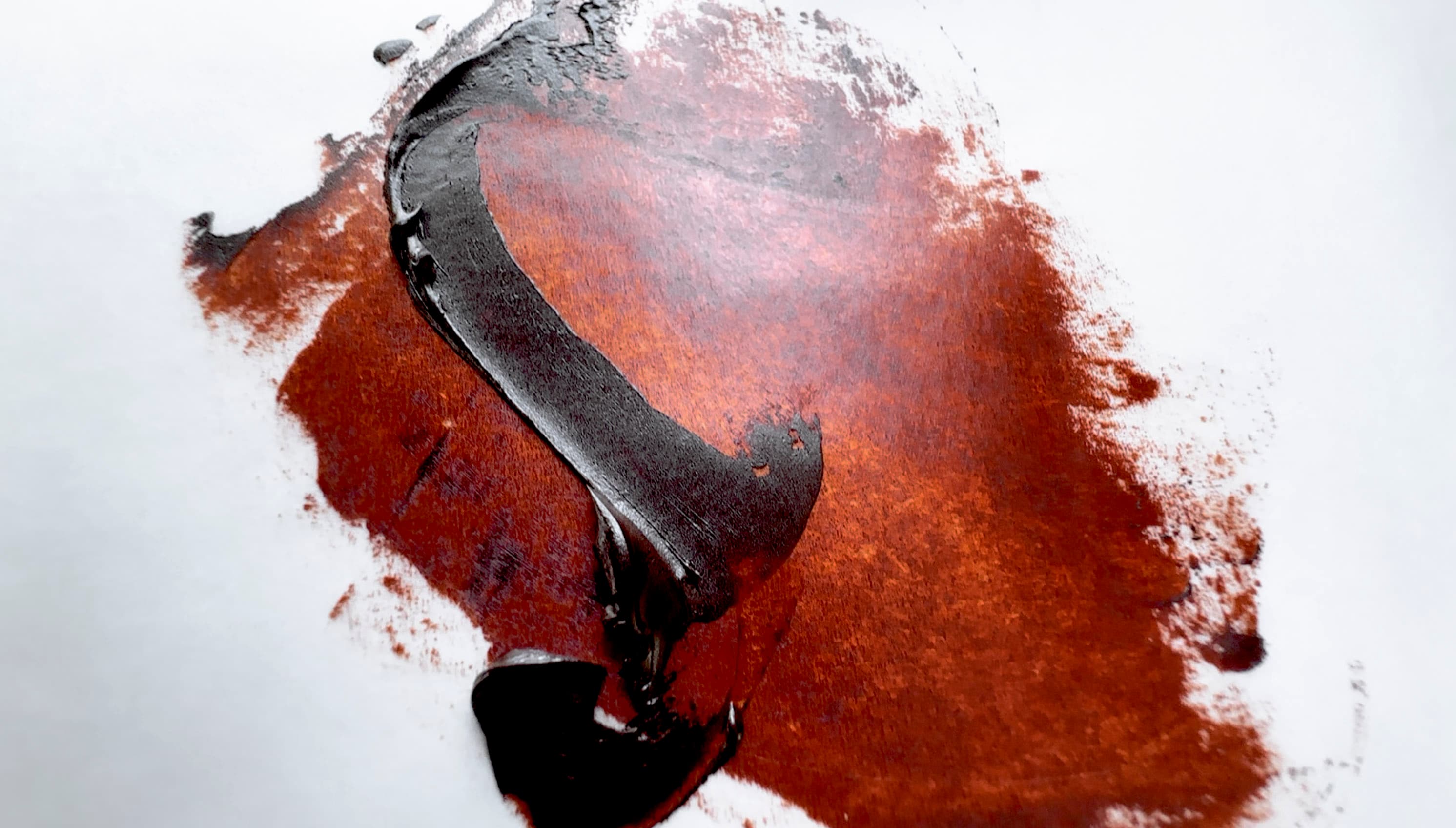
Old Holland makes 5 different kinds of oil paint from different versions of PR101. This is Old Holland Transparent Oxide Red Lake, which is a good example of a Transparent Red Oxide
The names for synthetic red earths often mirror the natural red earth names, and they were often named for places where the pigments were historically mined. Each place is associated with a distinctive set of qualities, and these traits helped to form the expectations surrounding the traditional paint names (e.g. Venetian Red). A cannon has arisen around these names such that synthetic colors with similar properties may borrow from the geographic names. Unfortunately this is not a guarantee as there is no official standardization. One name that is often associated with PR101 in particular is Mars Red, which is often a powerful dull red color. Another frequently found name is Transparent Red Oxide, which is usually deep in masstone and reddish brown in glazes.
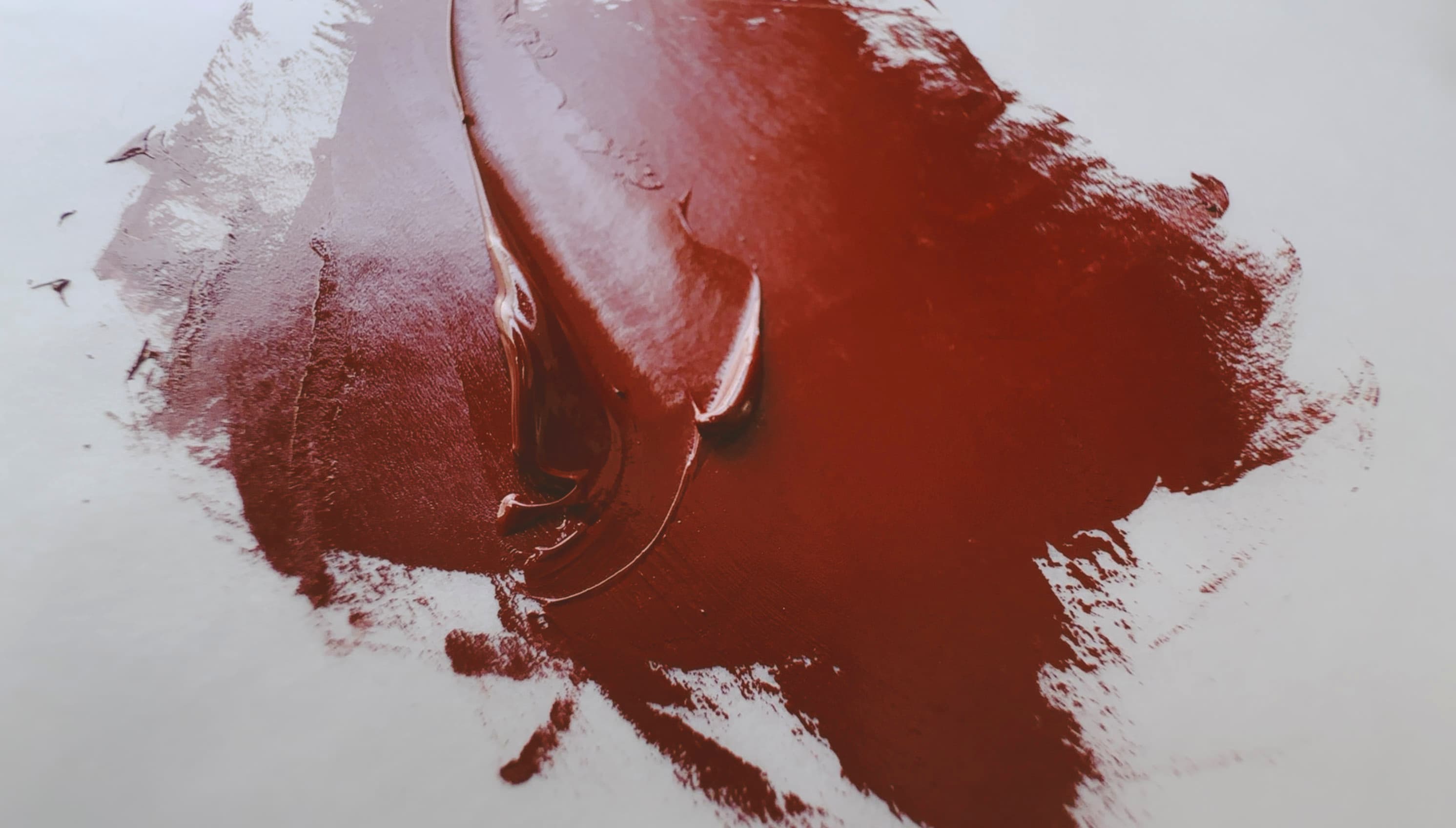
Williamsburg Mars Red, PR101. This is an opaque and powerfully tinting version of PR101
PR101 includes a huge variety of synthetically made red earths, oranges and violet-browns. The particle sizes can vary considerably, and with the synthetic version it can sometimes be very small- though this is by no means a guarantee. Some brands, like Williamsburg, publish guides to the graininess of their colors, while other brands rely on the brand vibe to convey the degree of homogenization among their colors (for example, some brands are known to make very smooth colors overall).
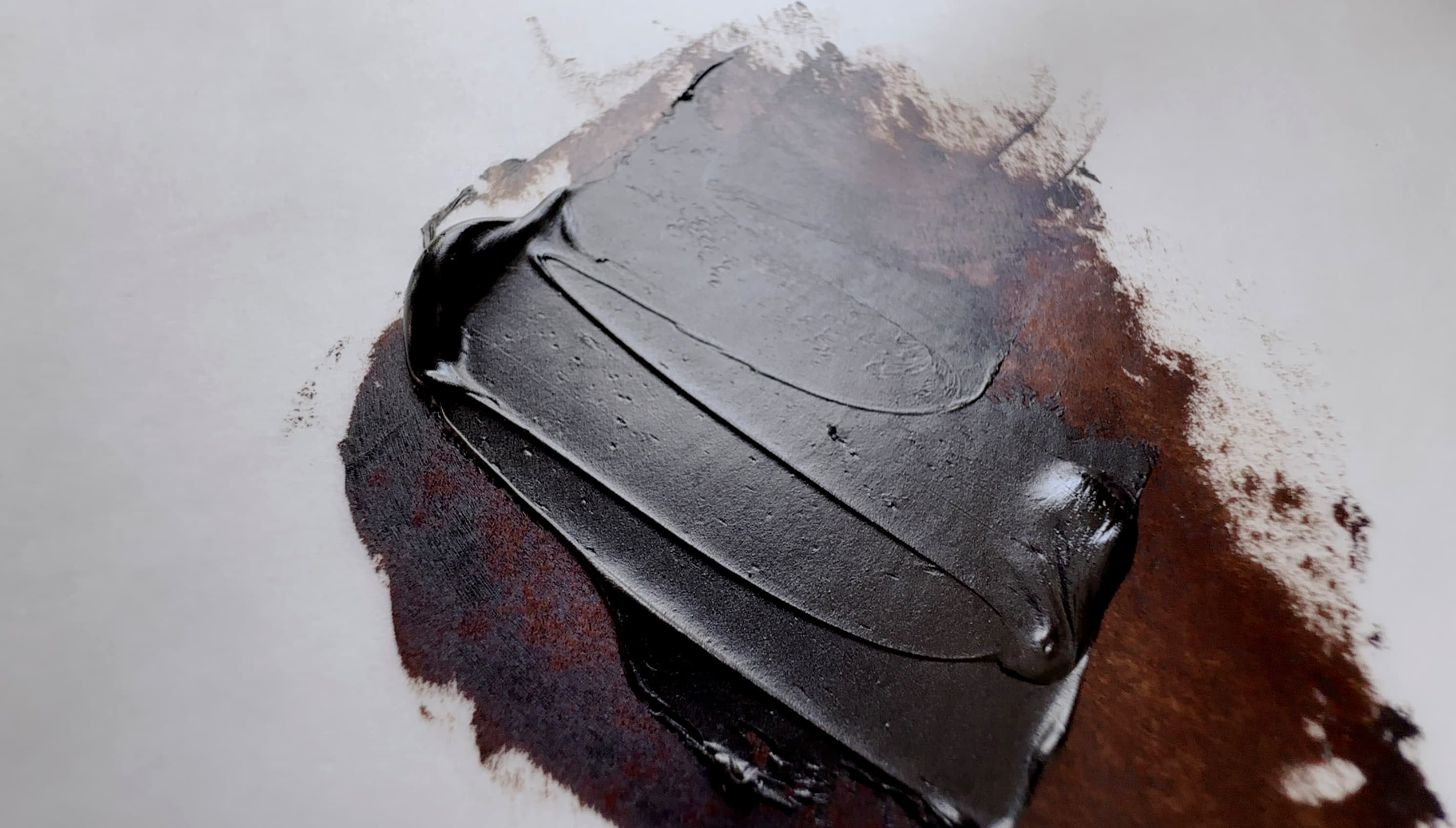
A brown paint which is also PR101. Williamsburg Transparent Brown Oxide.
While generally thought to be among the safer pigments, it is at least theoretically possible that some synthetic earths could be derived from reclaimed mining sites, so we always just handle them like all paints with proper studio procedures. The Artist's Guide to Health and Safety has more information about health issues associated with pigments which contain iron. Her updated work can be found through her site.
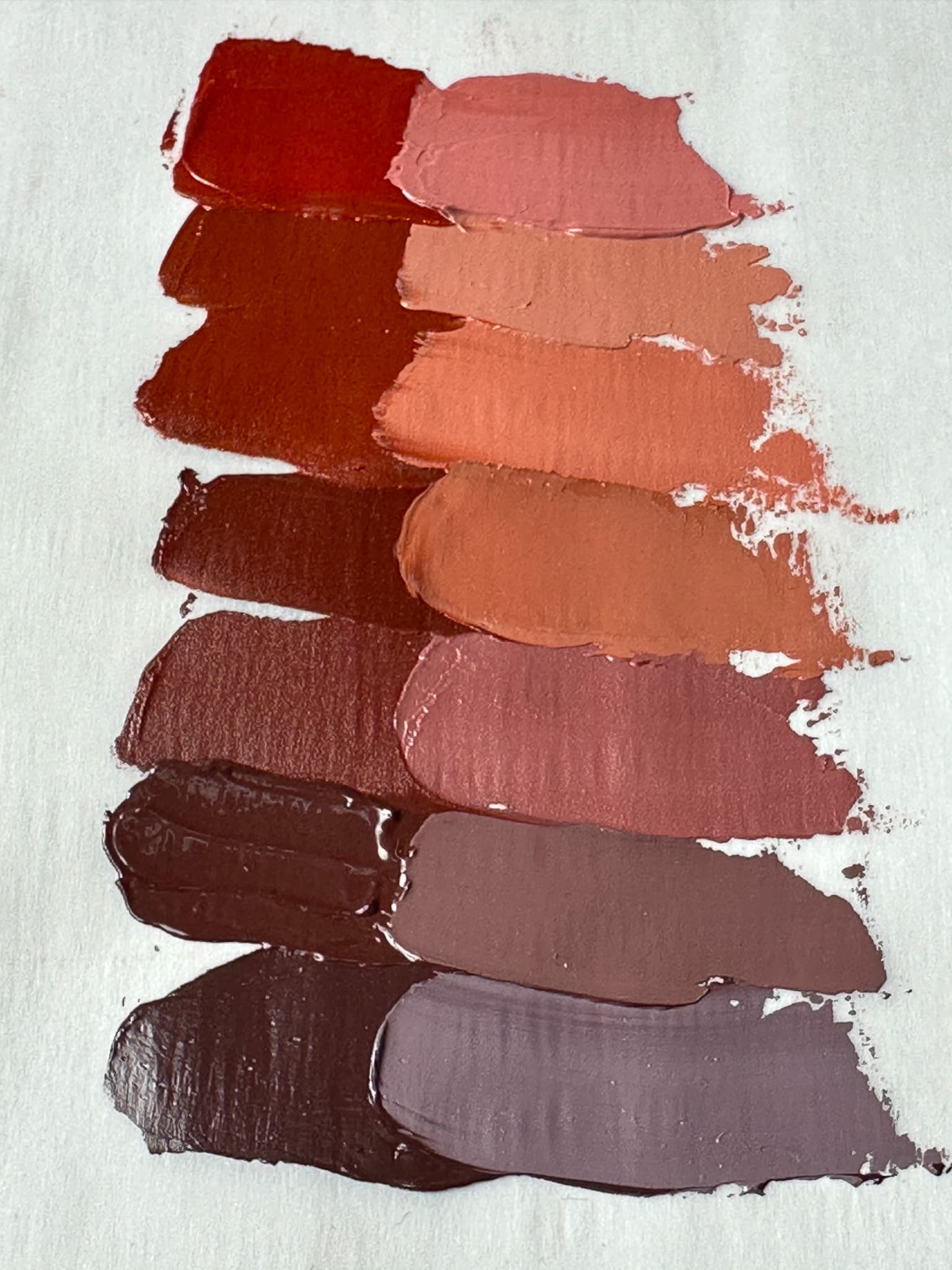
Synthetic Red Iron Oxide has a range of colors which all share the same pigment code. All these swatches are made of one pigment, different kinds of PR101
When it comes to color, the sub-variants of PR101 are a wide-ranging bunch. Interestingly "Red Iron Oxide" can be red, brown, orange, or violet. They are also incredibly lightfast and durable.
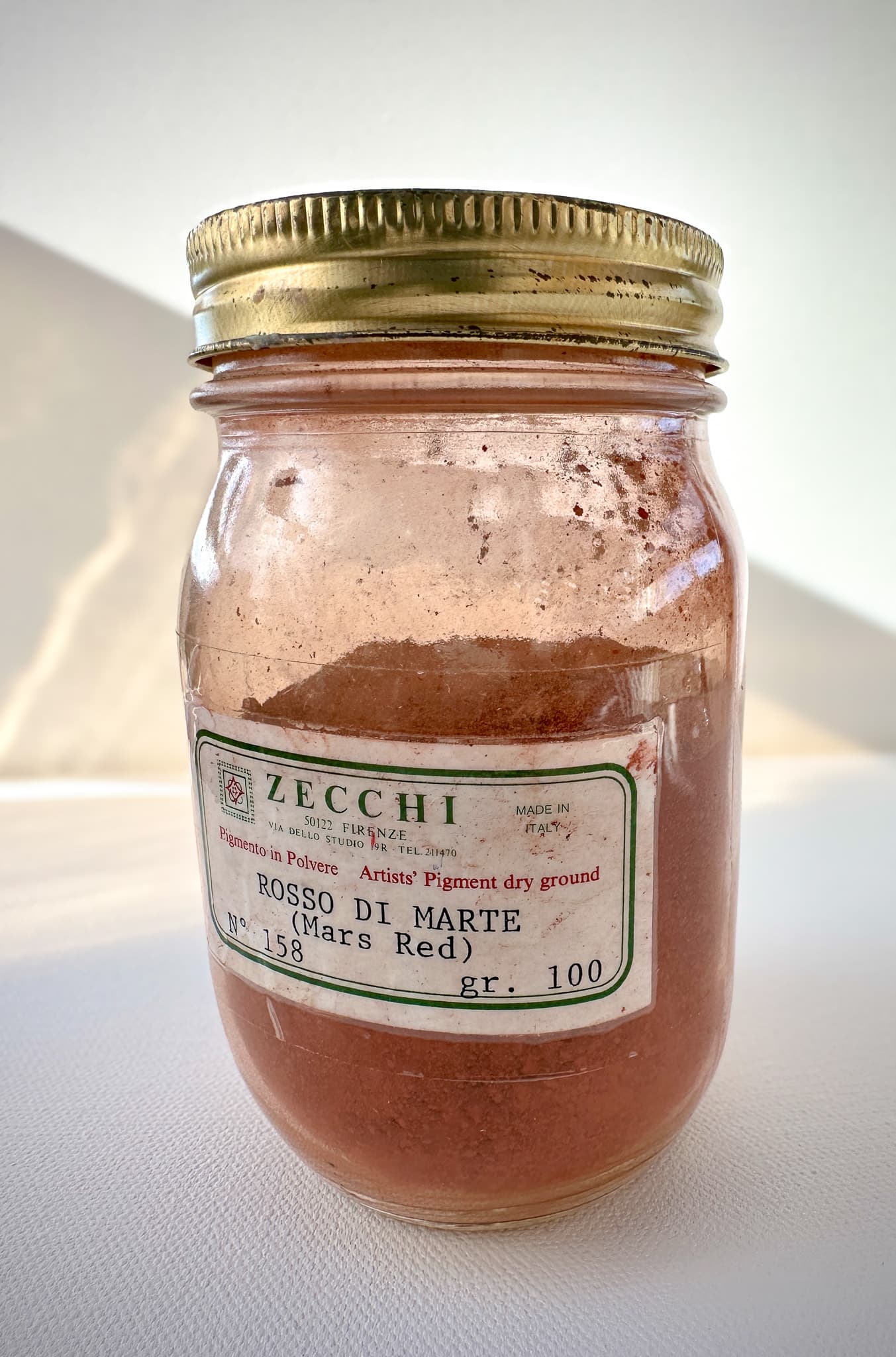
Zecchi Mars Red dry pigment
Resources
PR101 pigment data from David G. Myers, The Color of Art Pigment Database, Artiscreation.com,
Spurgeon, Tad. Living Craft: A Painter's Process. Mt. Airy, Philadelphia, PA: Zoetrope, 2018. Newer version available here: https://www.thomaskitts.com/page/36804/tad-spurgeons-living-craft
Information about PR101 from Bruce MacEvoy, Handprint Guide to Watercolors, General information about this class of pigments from Handprint, More from Handprint
Stats
Lightfastness
Excellent
One of the few colors to receive an ASTM I rating in all the mixing whites in oil paints.
Transparency
Varies, Transparent, Semi-Transparent, Opaque
Tremendous diversity
Toxicity
Lower Concern, but may contain contaminants
Treat all pigments and paints with studio safety protocols.
Tinting
Varies
Dry Time
Fast to Medium
Varies. Some are listed as fast driers (1-2 days). For Mars Red may be 2-7 days.
Oil Content
Low to Medium
Varies. Low/Lean oil requirements for Venetian Red, Indian Red may vary. Mayer lists an oil volume of 54 (low). Medium oil requirements for many Mars Red and Mars Violet colors. Mayer assigns Indian Red a medium amount with a score of 83. By weight, Artiscreation lists 15-25 g/100g of oil, but your pigment may have different requirements. NIPI lists Ferrite: 45-60, Others: 13-28.
Chemical Name
Synthetic red iron oxide, Synthetic Anhydrous Red Iron Oxide, synthetic iron oxide
Fe₂O₃
DISCLAIMER: Please note that we are not experts in health and safety and we are not toxicologists, please consult the proper experts. We are not liable for any issues that may arise from the use of our website or its contents. The information contained in this site is provided without warranty or guarantee of any kind. We do not necessarily endorse any other website that are linked from our site. For any important pigment specs, please reference the manufacturer details. If you discover errors or omissions, please reach out through our contact form. Thank you.
