

Top Pigment
Pyrrol Orange
PO73
Alternate Names
Irgazin® DPP Orange
Cosmoray Orange
Irgazine Orange
Diketo-pyrrolo Pyrrole Orange
Pigment Description
This is an important synthetic orange for painters, but it holds a few surprises for oil painters after some recent lightfastness research about mixing whites. It's a stunner in terms of chroma and makes lovely pink tints. However, due to its lightfastness quirks it may need to be used carefully if used in oil painting.
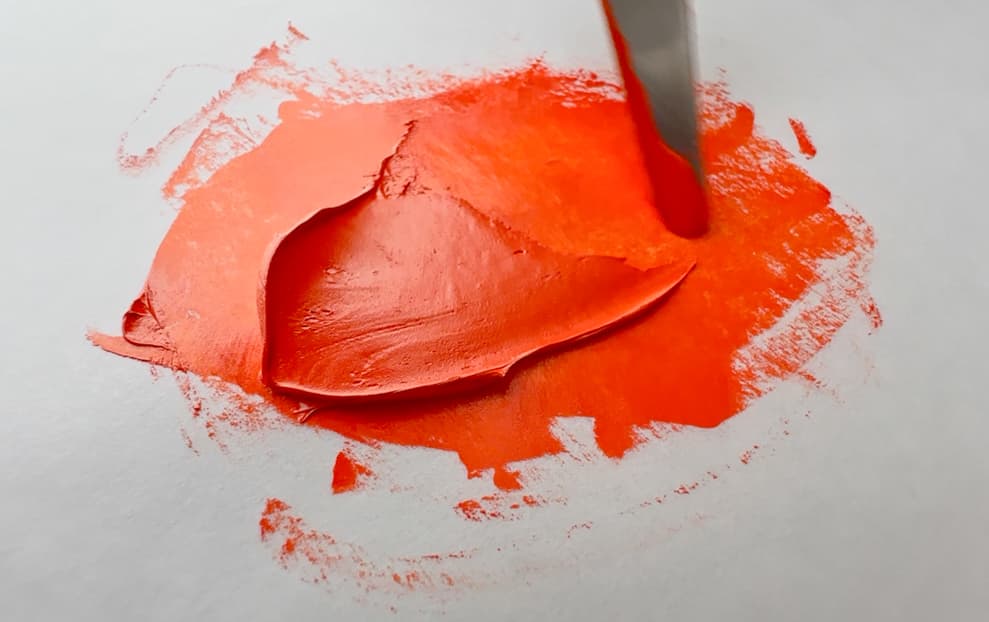
As to the quirks of Pyrrole Orange, this was a shock as it is typically listed as ASTM I (excellent) in oil. We are especially grateful to Golden for bringing these issues to light in their recent testing on oil paints which takes into account several previously unaccounted-for variables. It turns out that PO73 is surprisingly reactive to certain white pigments (and/or binders) in oil painting. Were it not for the lightfastness issues, it could have been a possible alternative to the redder forms of Cadmium Orange, but Pyrrole Orange is unfortunately a bit more sensitive than was once thought.
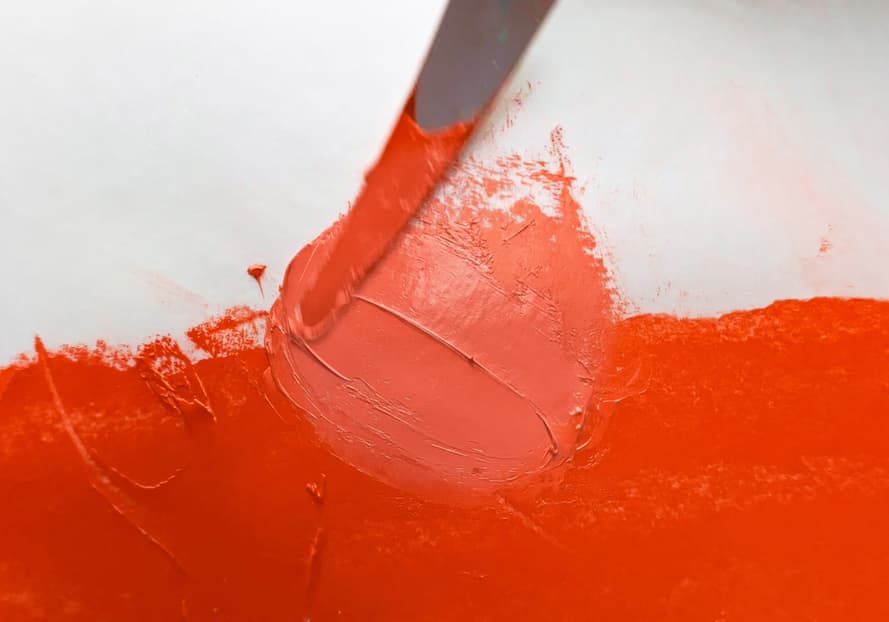
The tints are higher chroma than cadmium red or orange, so PO73 was nice if high saturation is desired— however just another reminder to watch those mixing whites and blending oils. Pyrrole Orange makes some of the very best red-orange tints with a hint of a pink undertone.
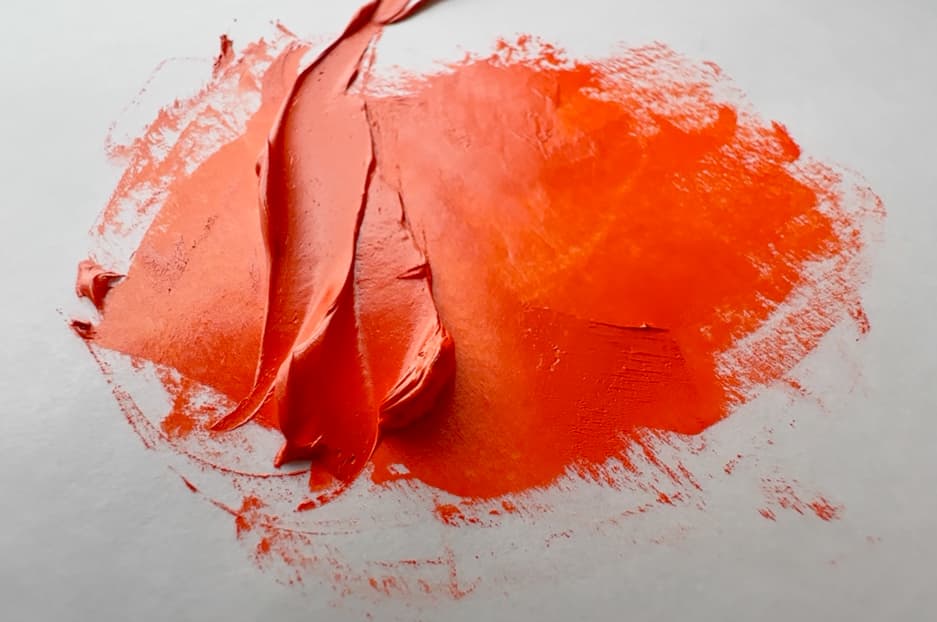
In masstone Pyrrole Orange is blazingly high in chroma. In terms of its relationship to Cadmium Orange, Pyrrole orange is less opaque than Cadmium Orange.
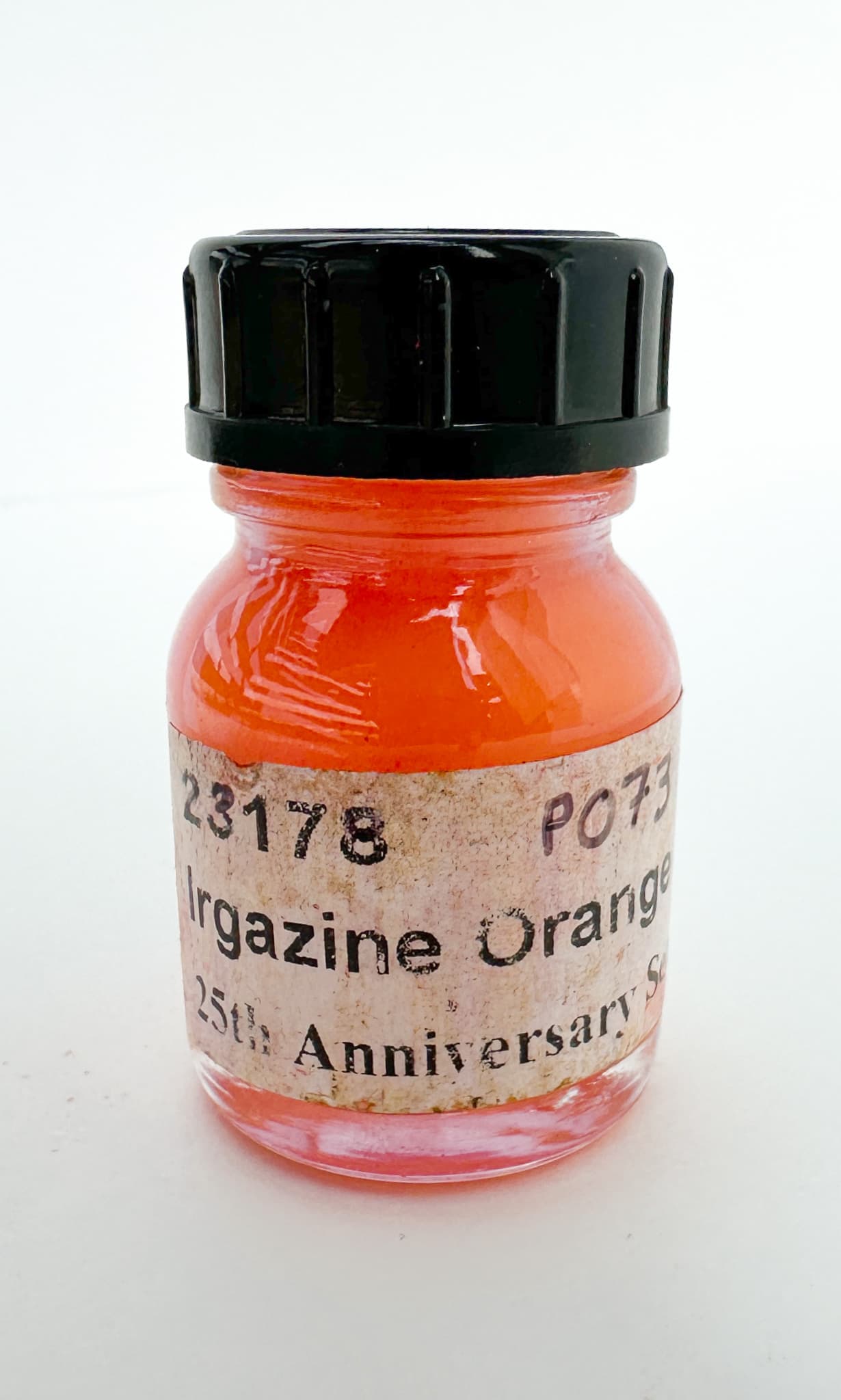
Kremer Pigments Irgazine Orange, PO73
To delve into the lightfastness in oils a bit more, most give this pigment high ratings for excellent lightfastness. However there were some strange curveballs found in oil paints depending on the precise mixing white used. In the recent testing by Golden, PO73 seemed sensitive to binding oils as well, specifically Safflower Oil. This finding may be significant as several companies offer this pigment in a safflower oil blend. For more, consult Golden's recent research on lightfastness in oil paints.
Resources
PO73 pigment data from David G. Myers, The Color of Art Pigment Database, Artiscreation.com
Spurgeon, Tad. Living Craft: A Painter's Process. Mt. Airy, Philadelphia, PA: Zoetrope, 2018. Newer version available here: https://www.thomaskitts.com/page/36804/tad-spurgeons-living-craft,
Information about PO73 from Bruce MacEvoy, Handprint Guide to Watercolors, General information about this class of pigments from Handprint
Stats
Lightfastness
Depends on Variables in oils. Some pigment suppliers showed a pigment that fades slightly in tints. May be reactive to safflower oil, choice of mixing white in oil may be very important.
In oils, Pyrrole Orange may have dramatic differences in lightfastness depending on the mixing white used. Golden’s lightfastness testing showed excellent lightfastness in Titanium-Zinc white, but PO73’s lightfastness tanked in four of the other mixing white varieties. Flake White in Safflower, Lithopone in Safflower, and Titanium White in Safflower were all terrible for lightfastness, followed by pure Zinc White. There may a reactivity to safflower oil for this pigment, which could be important. Many other paint brands use safflower oil in their colors, and it remains to be seen how this may or may not affect Pyrrole Orange in mixes. In several other linseed whites (Flake white and Titanium White) Pyrrol Orange showed an ASTM II lightfastness of very good, but not excellent.
Transparency
Varies
The transparency in oil paints can vary from transparent to opaque depending on the way the paint is formulated. We have heard some paintmakers talk about its opacity, but we have more often encountered a semi-transparency.
Dry Time
Slow to Very Slow, May Contain Driers
Dry times in oil range from medium and may be very slow (10-21+ days), so in the faster instances (3-6 days), driers may have been added
Particle Size
Very Fine
Chemical Name
Diketo-pyrrolo-pyrrole orange, Pyrrolopyrrol
DISCLAIMER: Please note that we are not experts in health and safety and we are not toxicologists, please consult the proper experts. We are not liable for any issues that may arise from the use of our website or its contents. The information contained in this site is provided without warranty or guarantee of any kind. We do not necessarily endorse any other website that are linked from our site. For any important pigment specs, please reference the manufacturer details. If you discover errors or omissions, please reach out through our contact form. Thank you.
