

Top Pigment
Cerulean Blue
PB35
Alternate Names
Caeruleum
Bleu céleste
Caeruleum
Pigment Description
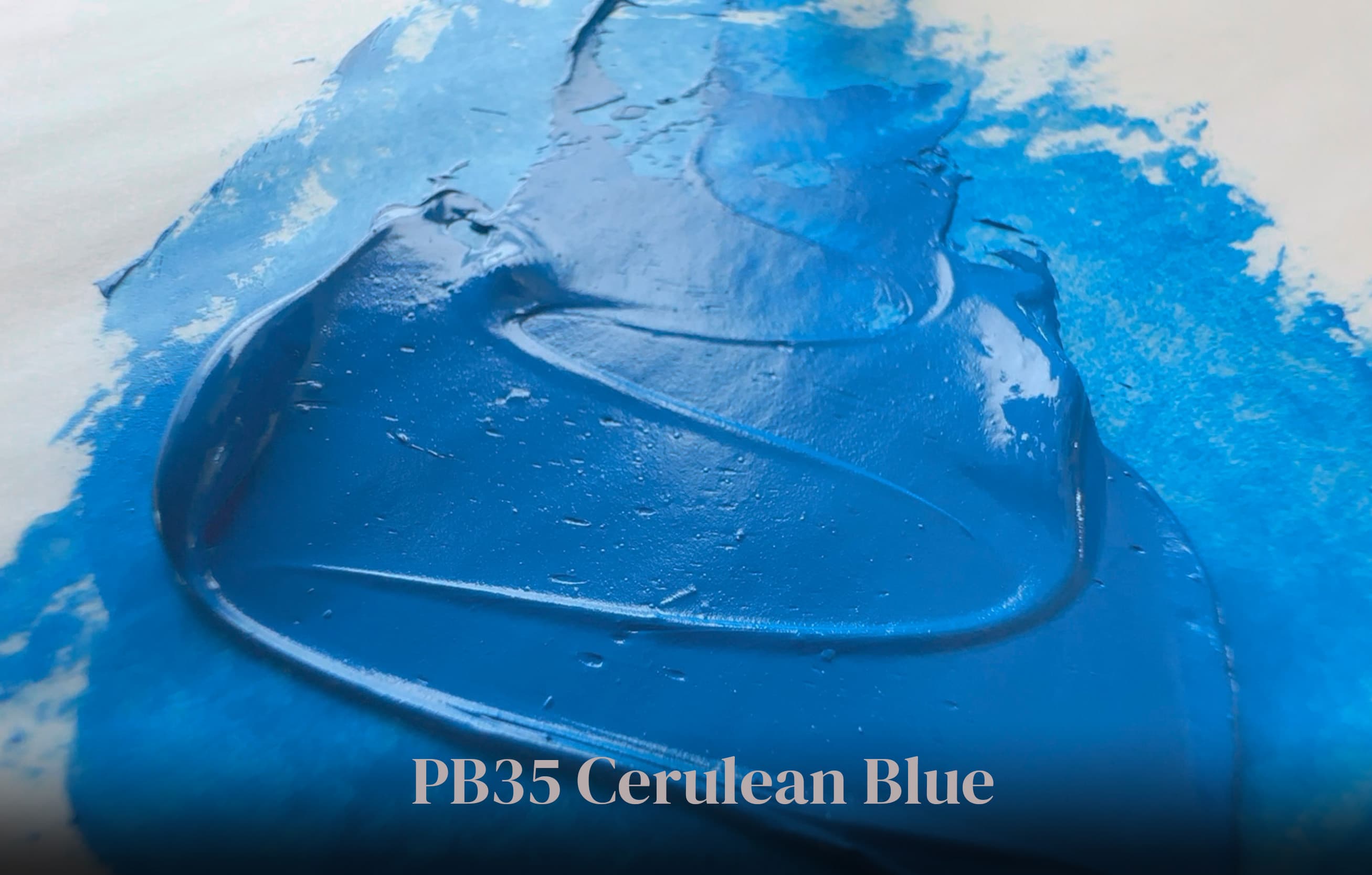
An essential color to the advanced artist’s paintbox, genuine Cerulean Blue is far easier to handle in mixes for naturalistic work, such as foliage, botanicals and landscape, and even in portraiture. This color is much more earthy than phthalo blue, PB15, and it is an indispensable blue when opacity is needed in the blue-greens. It is still a bright blue, but it will mix differently into a palette than phthalo.
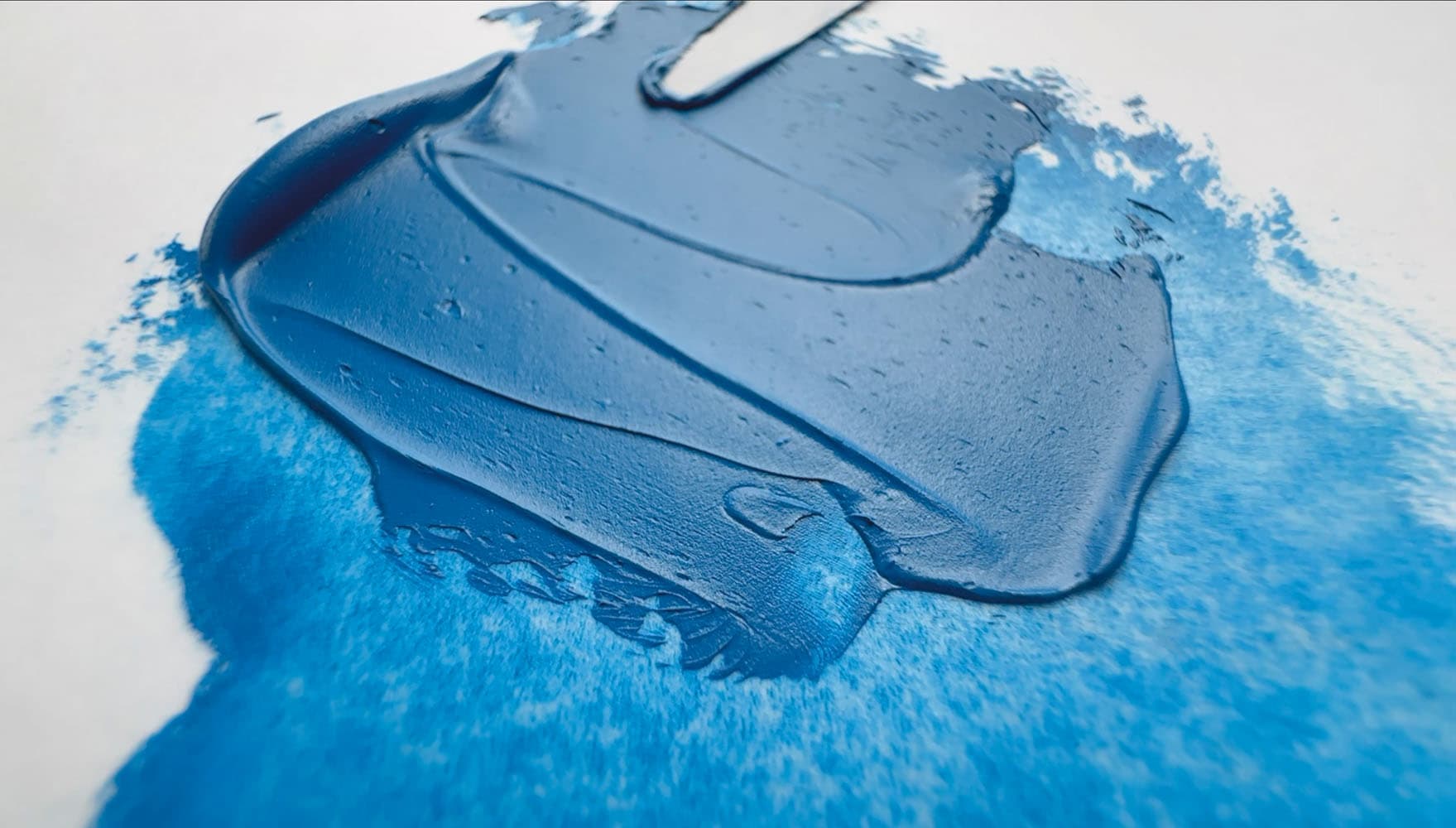
Old Holland Cerulean Blue, PB35 in oil paint
As a pigment it's opaque or semi-opaque, but it is sometimes diluted, probably due to its expense. It requires a high amount of oil to make it into a paint, and tends to be a slower drying oil paint. Cerulean tends to be greener than Cobalt Blue, PB28.
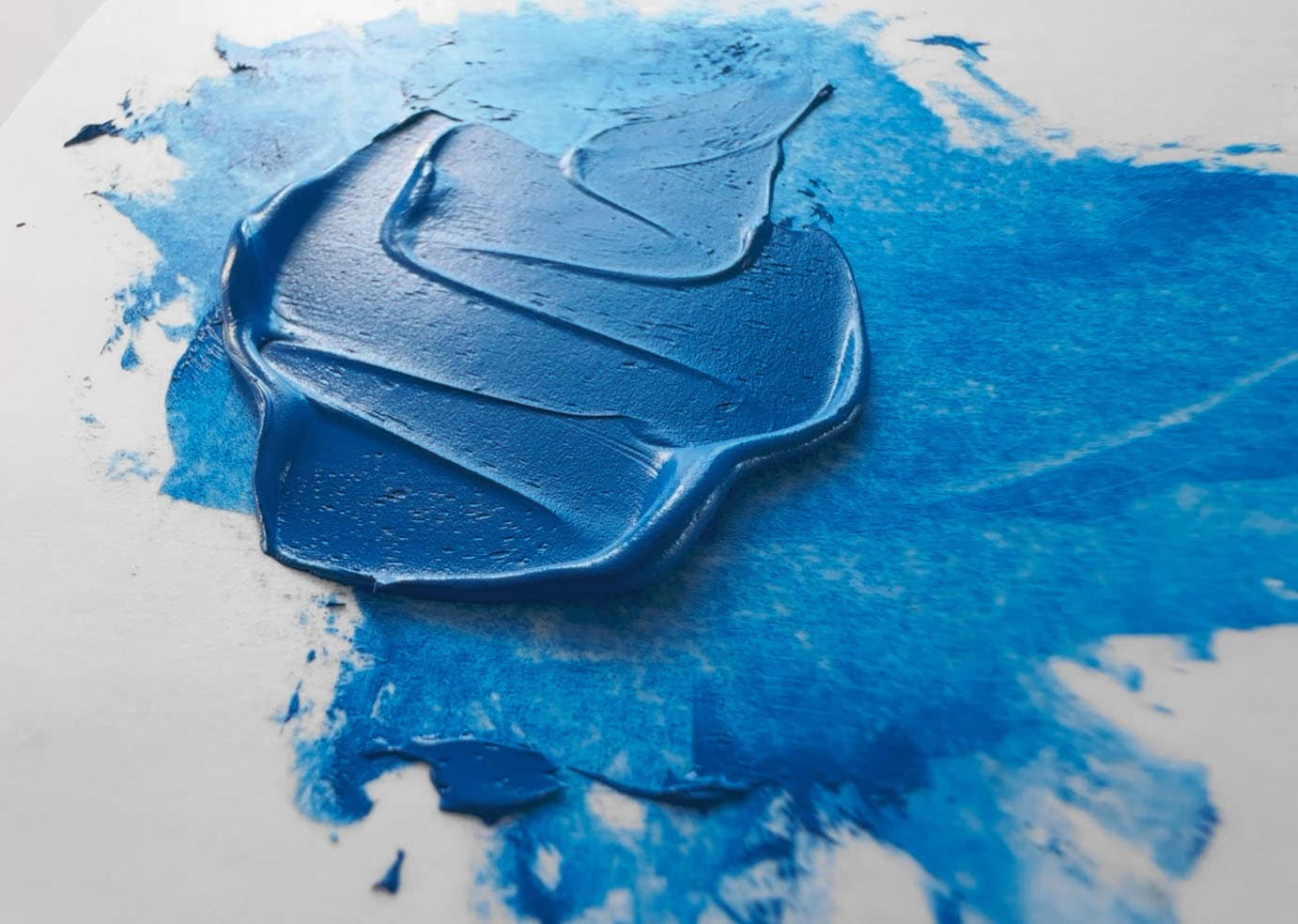
Williamsburg Cerulean Blue Oil Paint, PB35
Cerulean Blue is made of Cobalt Stannate, which is sometimes listed as Cobalt tin oxide or Oxides of Cobalt and Tin on the paint label.
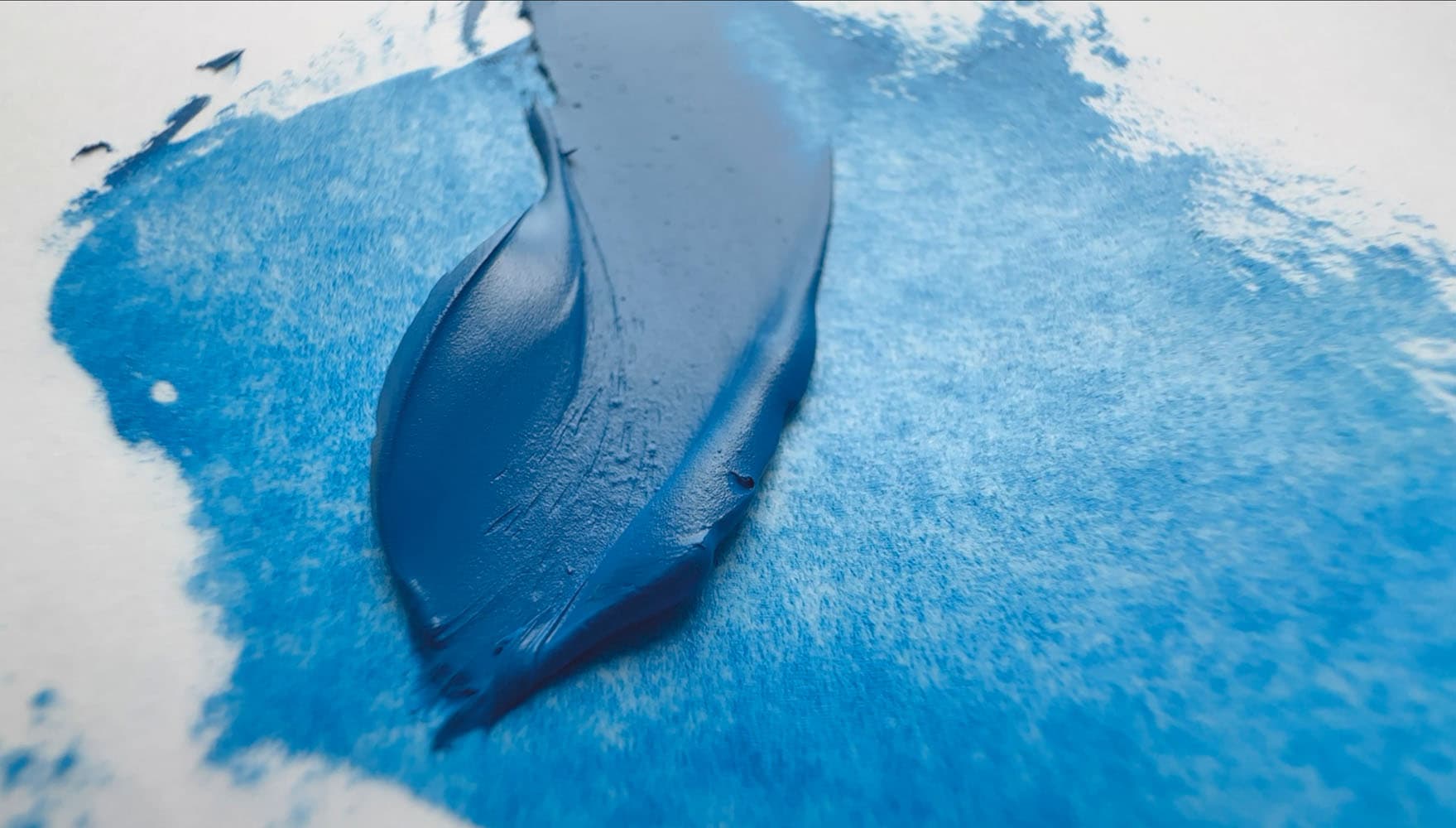
Old Holland Cerulean Blue Oil Paint, PB35
PB35 is usually thought of as somewhere in the B class for toxicity, so cerulean does require careful handling and the precautions fitting for the category. It contains cobalt, so please see the Artist's Guide to Health and Safety for information about the hazards associated with cobalt pigments. The author's most recently updated writing can be found through her site.
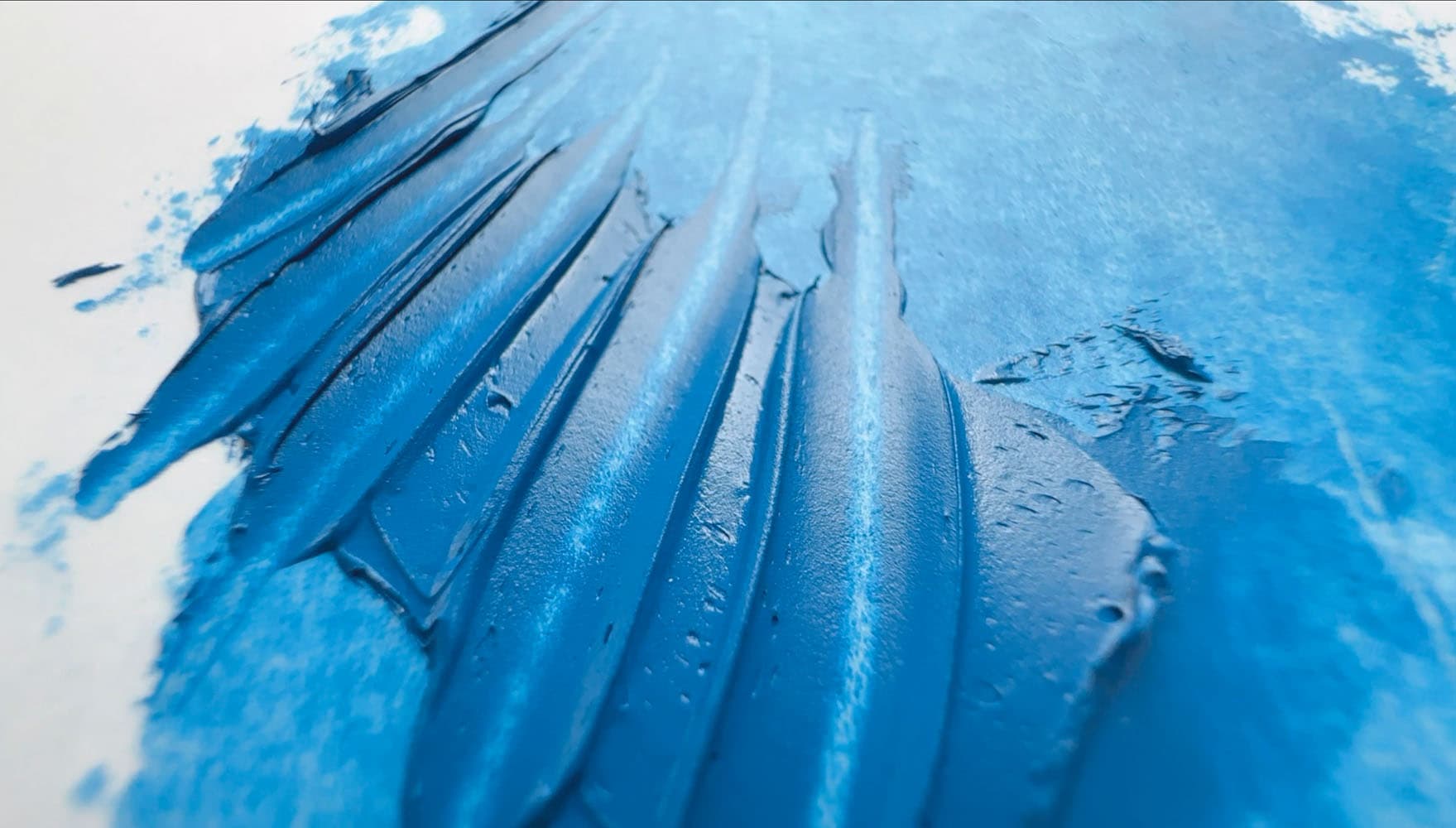
Old Holland Cerulean Blue Oil Paint, PB35
It has excellent lightfastness, and under normal sunlight conditions this gets solid excellent marks. However in the recent lightfastness testing done by Golden there were some unexpected results when exposed to a special form of artificial testing light. However this is generally considered a lightfast pigment regarding natural light.
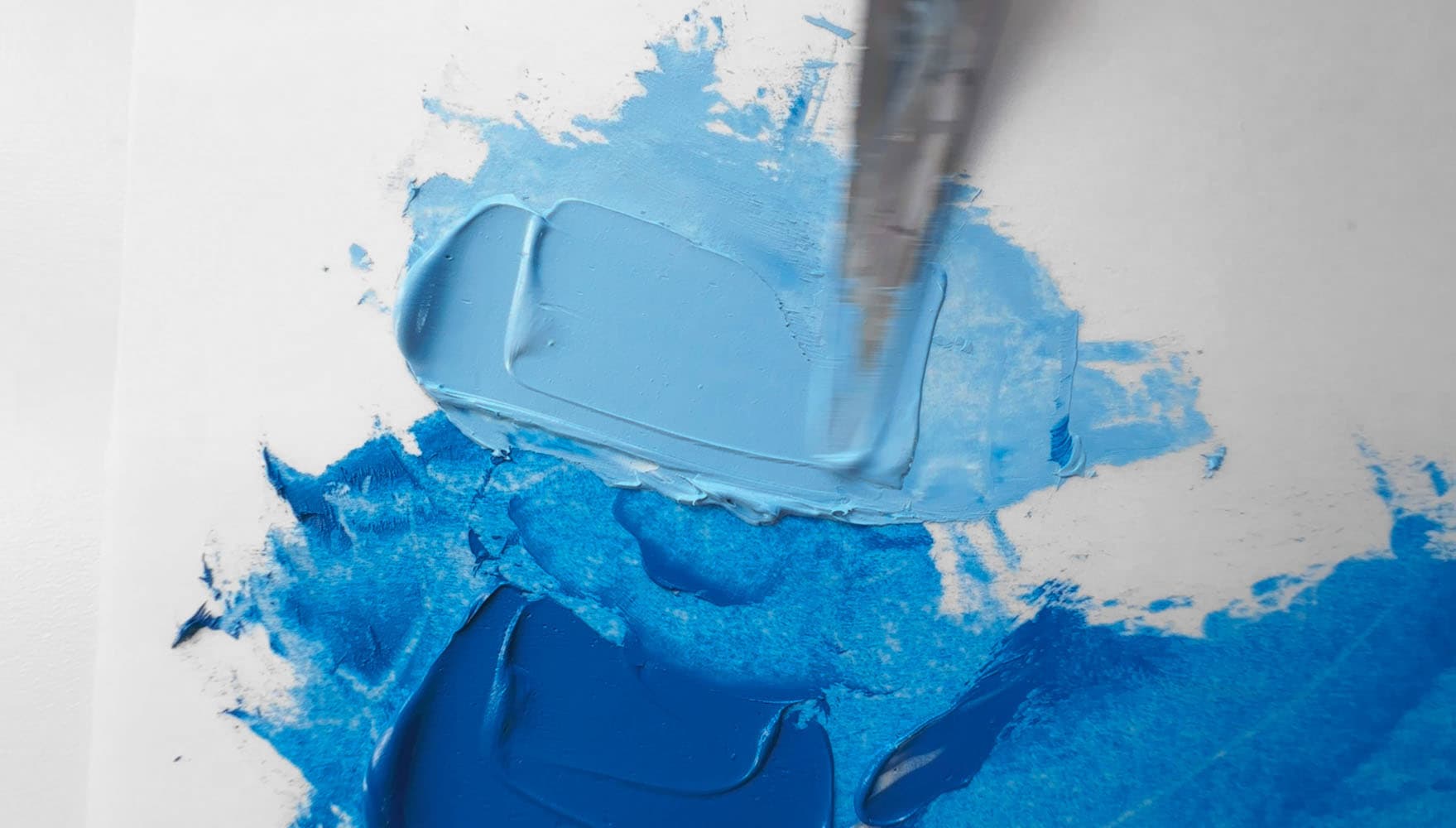
Williamsburg Cerulean Blue Genuine Oil Paint, PB35
It tends to be a very stable pigment with a reputation for lightfastness.
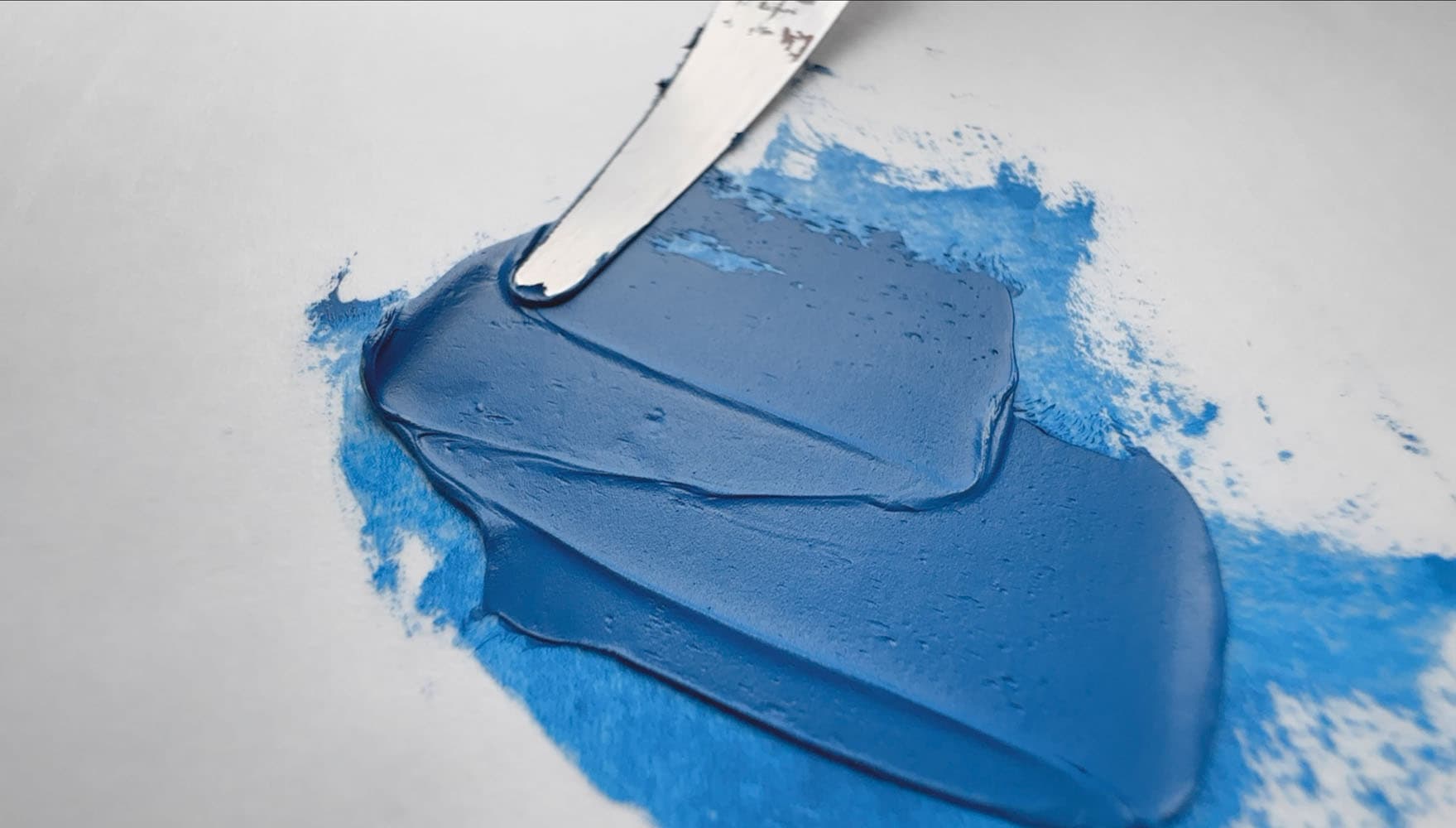
Old Holland Cerulean Blue Light in Oil Paint, PB35. A subtly different shade of Cerulean Blue
Cerulean Blue pigment in oil tends to have a natural heft to it, and this is a characteristic of the pigment itself.
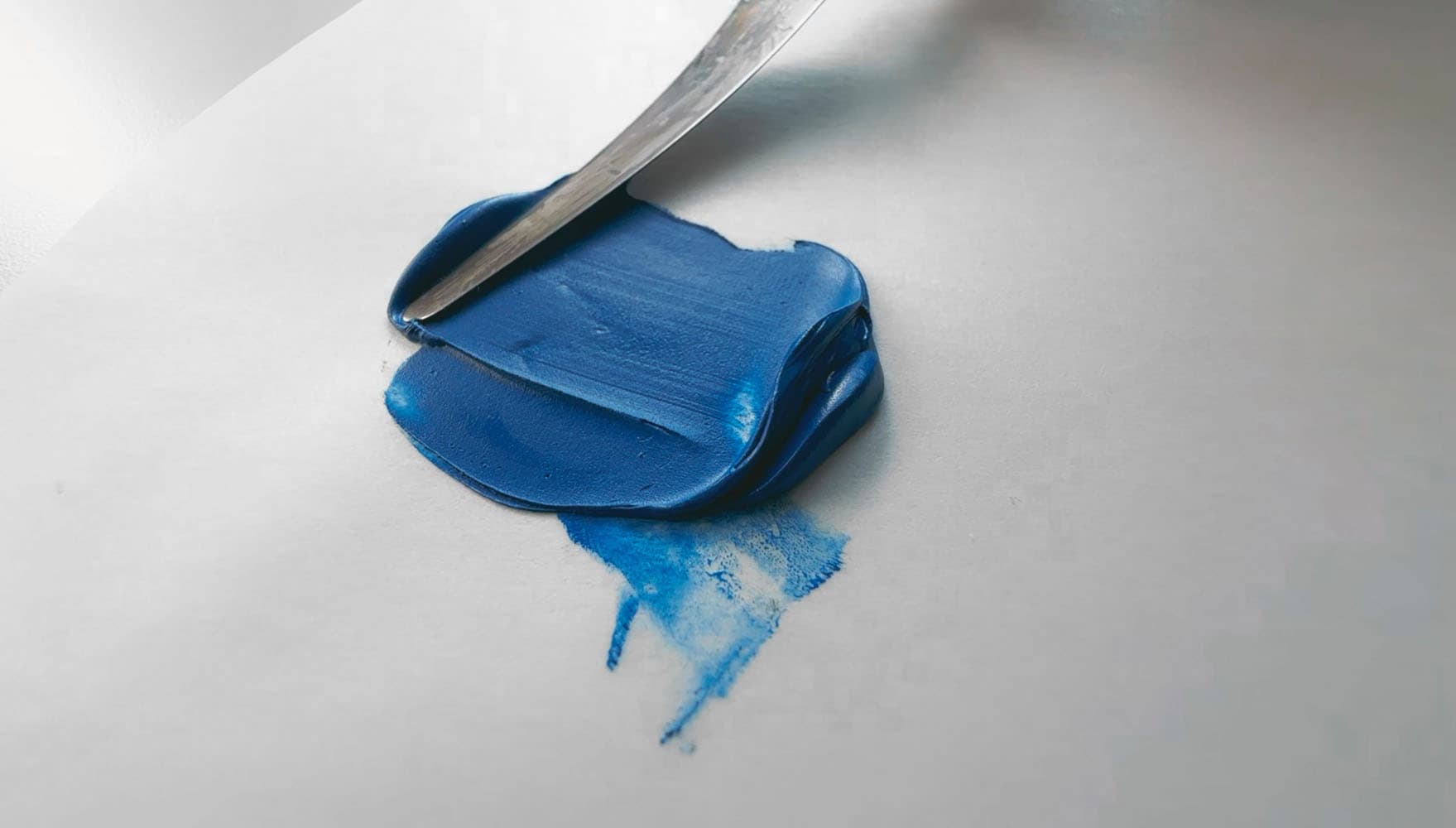
Williamsburg Cerulean Blue Oil Paint
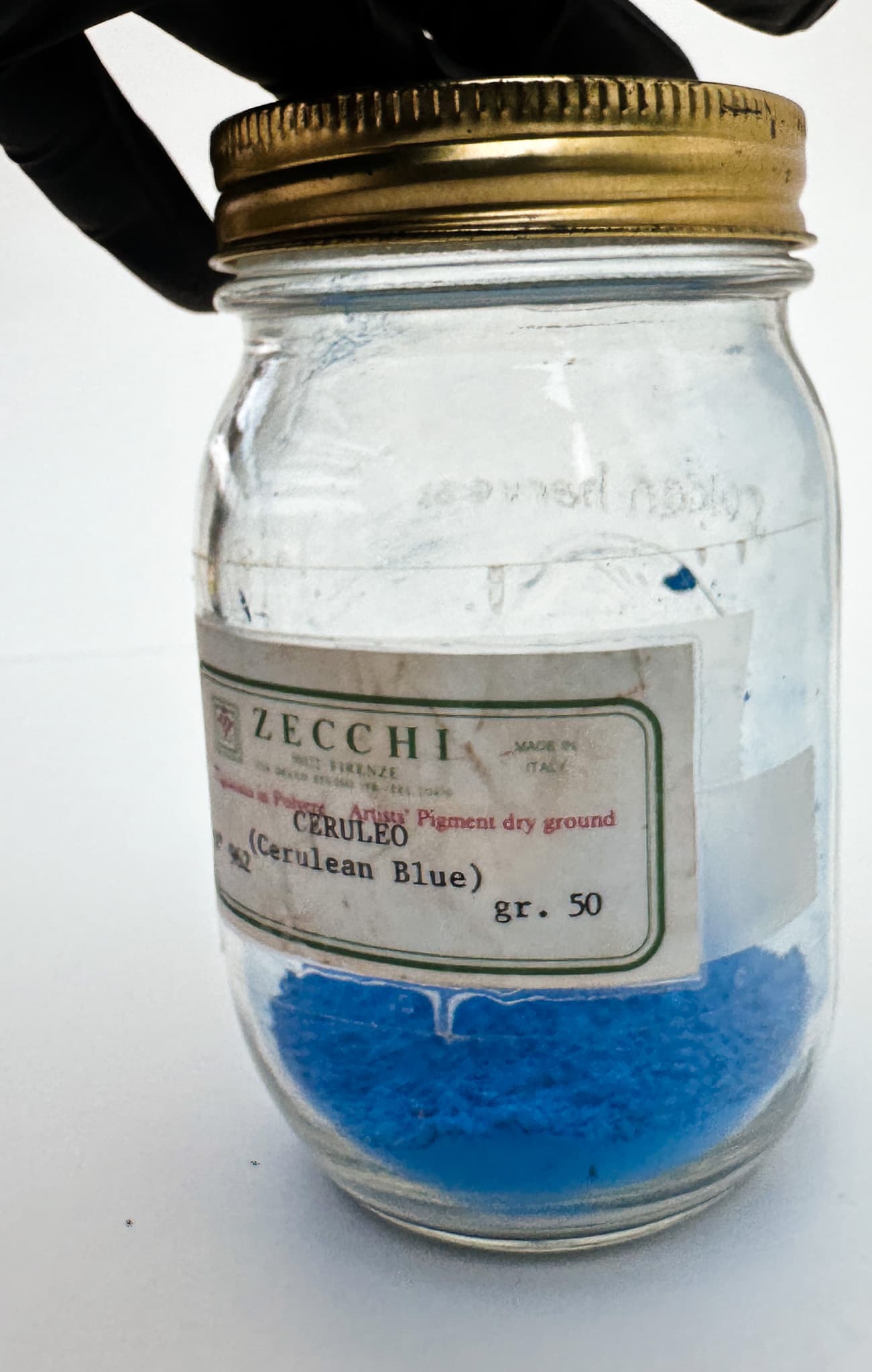
Zecchi genuine Cerulean Blue Dry Pigment
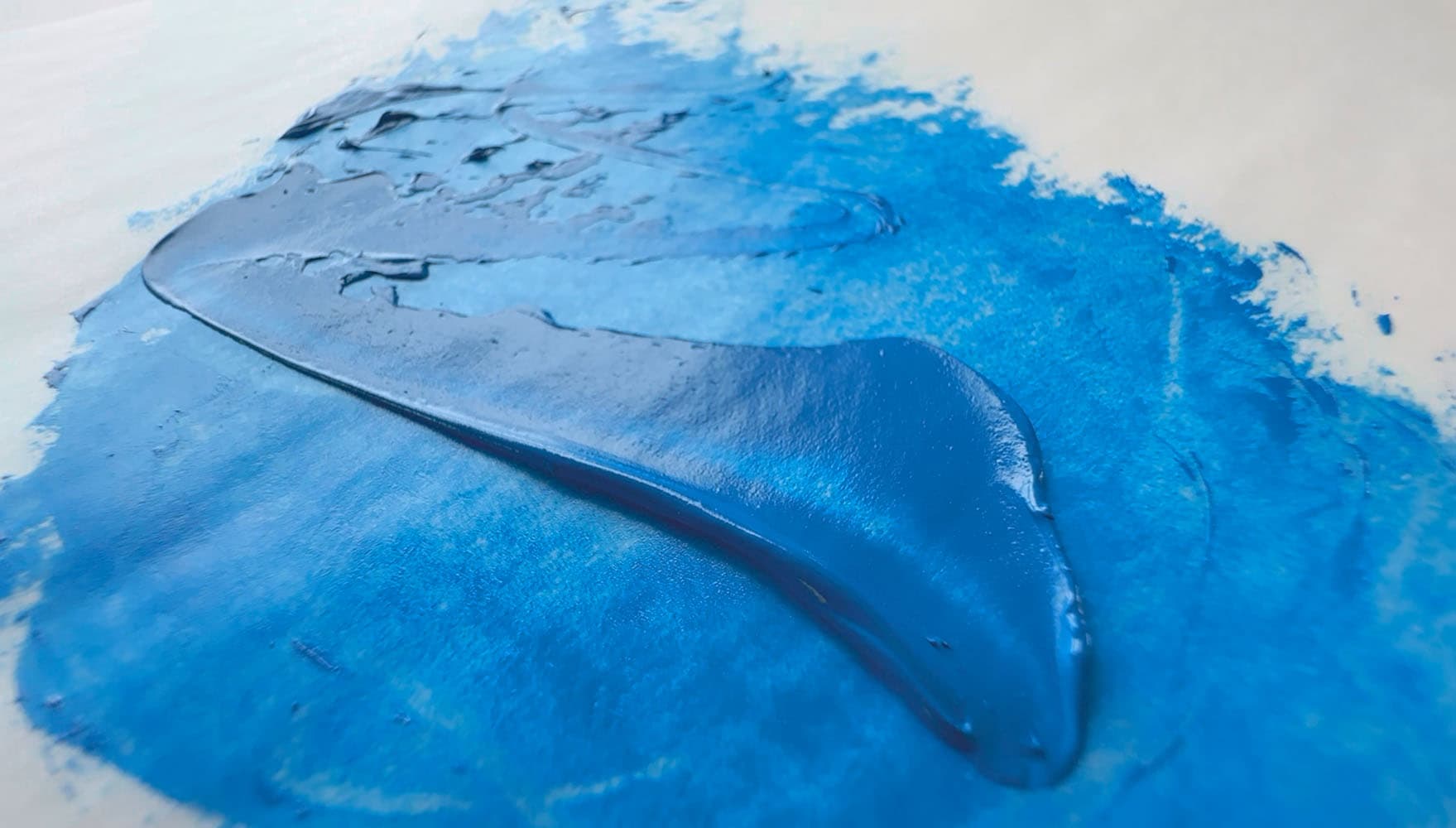
Maimeri Puro Cerulean Sky Blue in Oil Paint, PB35
Resources
PB35 pigment data from David G. Myers, The Color of Art Pigment Database, Artiscreation.com
Spurgeon, Tad. Living Craft: A Painter's Process. Mt. Airy, Philadelphia, PA: Zoetrope, 2018. Newer version available here: https://www.thomaskitts.com/page/36804/tad-spurgeons-living-craft,
Information about PB35 from Bruce MacEvoy, Handprint Guide to Watercolors, General information about this class of pigments from Handprint
Read an in-depth article
Stats
Lightfastness
Excellent
Historical reputation for excellent lightfastness with highest marks (solid 8’s on the BWS). In Golden’s Lightfastness Testing in oils, Cerulean performed at an ASTM II- Very Good in Lead White in Linseed as well as pure Zinc Oxide. While Cerulean performed well in outdoor sunlight it showed a surprising sensitivity to artificial simulations such as QUV and Xenon. In tints it performed at ASTM I - Excellent in the other mixing whites which were tested.
Transparency
Opaque, Semi-Opaque
Oil paints are found ranging from semi-transparent to opaque depending on how they are formulated
Toxicity
Hazard, Use more caution. Artiscreation says, "Hazard if carelessly handled, ingested in large amounts or over long periods of time; Do not ingest; Avoid dust & spray."
Contains cobalt, so please see the Artist's Guide to Health and Safety for information about the hazards associated with cobalt pigments. The author's most recently updated writing can be found through her site. Treat all pigments and paints with studio safety protocols.
Tinting
Low
Dry Time
Medium
Slow, however, many paints 2-7 days and some list less than 2. These may contain driers.
Oil Content
Varies
Some sources suggest high to very high oil requirements by volume depending on the binding oil. We would love to see every brand list oil content by volume, and Williamsburg has done this for their colors. They list a moderately low amount of oil with a linseed oil binder. Mayer categorizes it as high oil volume with a score of 112. By weight, Artiscreation lists 15-25 g/100g of oil, but your pigment may have different requirements.
Particle Size
Fine, sometimes grainy
Chemical Name
Cobalt Stannate, or oxides of cobalt and tin
DISCLAIMER: Please note that we are not experts in health and safety and we are not toxicologists, please consult the proper experts. We are not liable for any issues that may arise from the use of our website or its contents. The information contained in this site is provided without warranty or guarantee of any kind. We do not necessarily endorse any other website that are linked from our site. For any important pigment specs, please reference the manufacturer details. If you discover errors or omissions, please reach out through our contact form. Thank you.
