

Prussian Blue, Milori Blue
PB27
Alternate Names
Antwerp Blue
Berlin Blue
Paris Blue
Iron Blue
Bronze Blue
Chinese Blue
Pigment Description
Prussian Blue or Milori Blue. We associate this pigment with a sort of crisp Sea Captain one moment and a drunken sailor the next-- a sort of pigment with many faces. It's a color with a strange backstory, as its discovery involved blood. This is a moody, dark, transparent indigo that lends itself to marine landscapes as well as any darkened middle-to-low-chroma color in the blues.
Prussian Blue's peculiar lightfastness behaviors have been the subject of commentary for over a hundred years. Here we need to relay a big heads-up because this pigment may be listed as ASTM I (meaning excellent) for lightfastness on the back of paint tubes, but that is potentially unintentionally misleading. It may have some strange behavior depending on the mixing white used in oils. Golden's recent lightfastness testing explores some of the issues.
.jpg&w=3840&q=75)
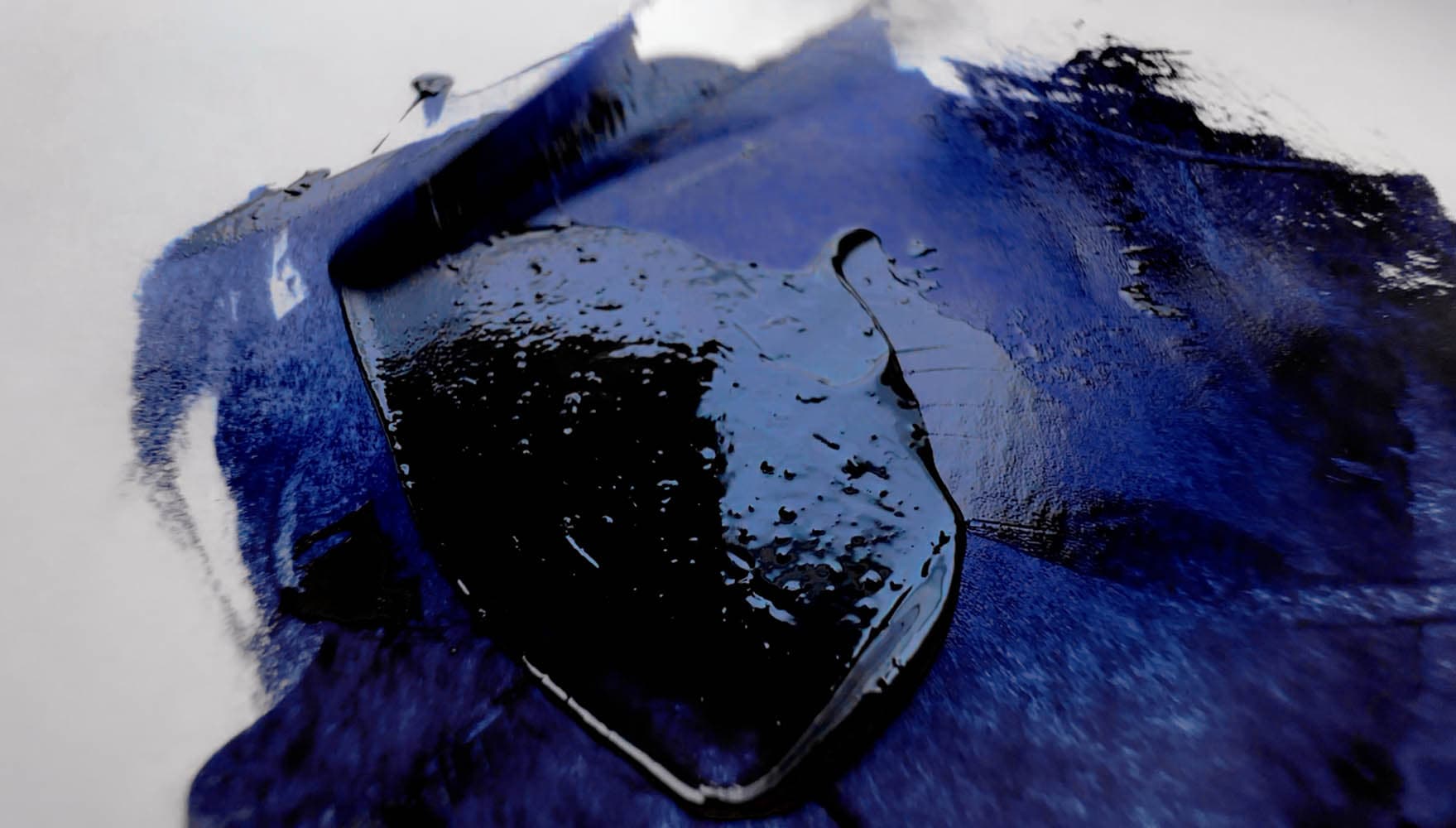
One of the many strange quirks of this color is that some versions can show bronzing where it develops a sheen in masstone. Of the many ways to prepare this color, some yield more bronzing than others, and unfortunately these methods of preparation and variations in quality are not adequately differentiated by the name nor the pigment code. Some older books will ascribe different names to different versions, but unfortunately paint naming is currently a wild west situation, and paint names can't be sufficiently relied upon. Prussian Blue has a lot of related color names which fly under the flag of PB27 such as Antwerp Blue or Paris Blue.
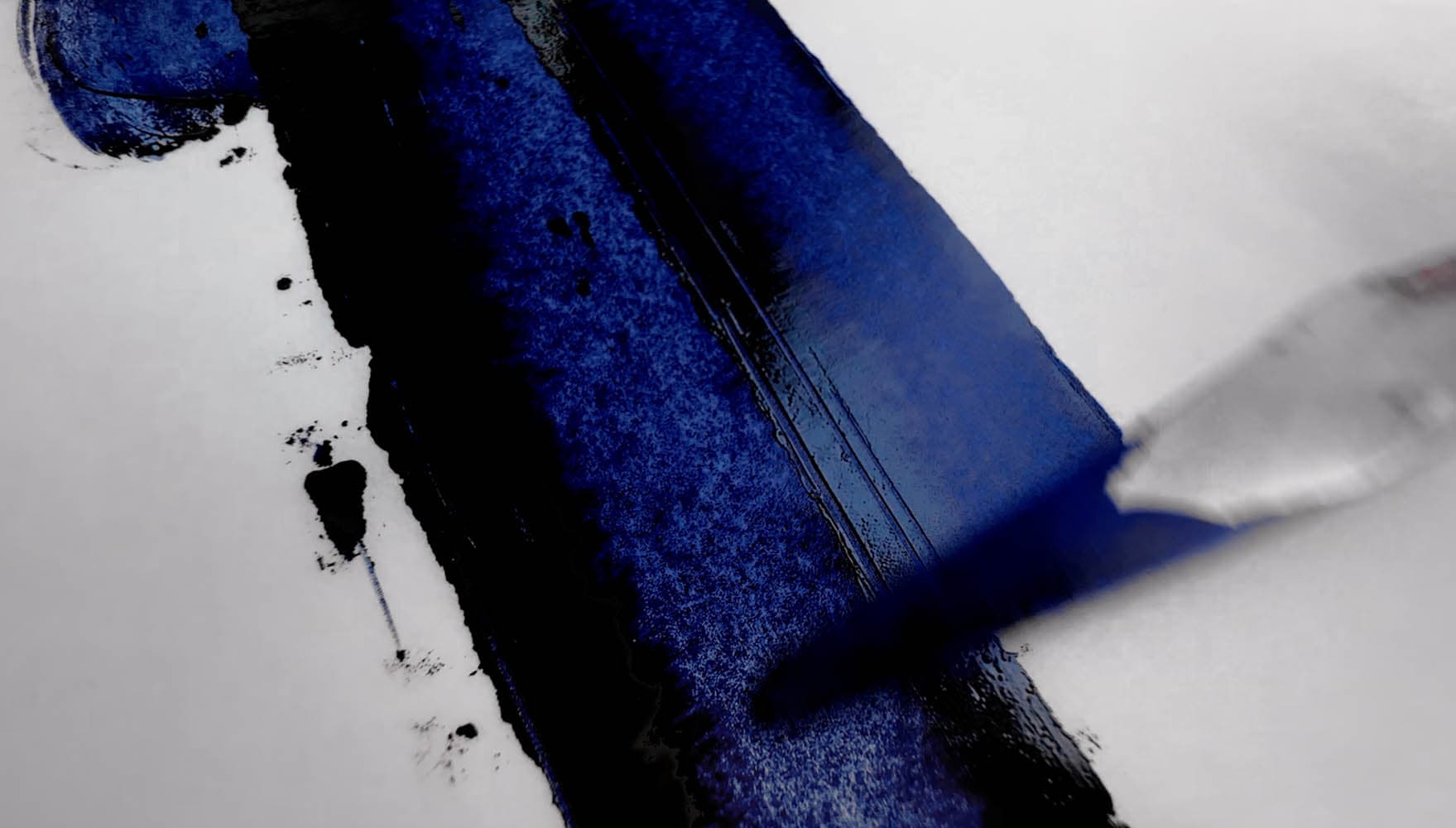
Unfortunately its lightfastness isn't what was once thought, as Prussian Blue is fairly sensitive to the mixing white involved. It's interesting that this was ever listed as ASTM I as certain pigment suppliers now list its performance in tints to be quite low (as low as blue wool scale 2)! The choice of mixing white also matters, and it has displayed some unexpected lightfastness in Lead White, PW1.
One of Prussian Blue's many faces is a creepy one. It is sort of a Nosferatu where in some media it can fade a bit in light, but is said to regain some of its color again when set in the dark. We've never personally noticed this, but we have heard this in reports.
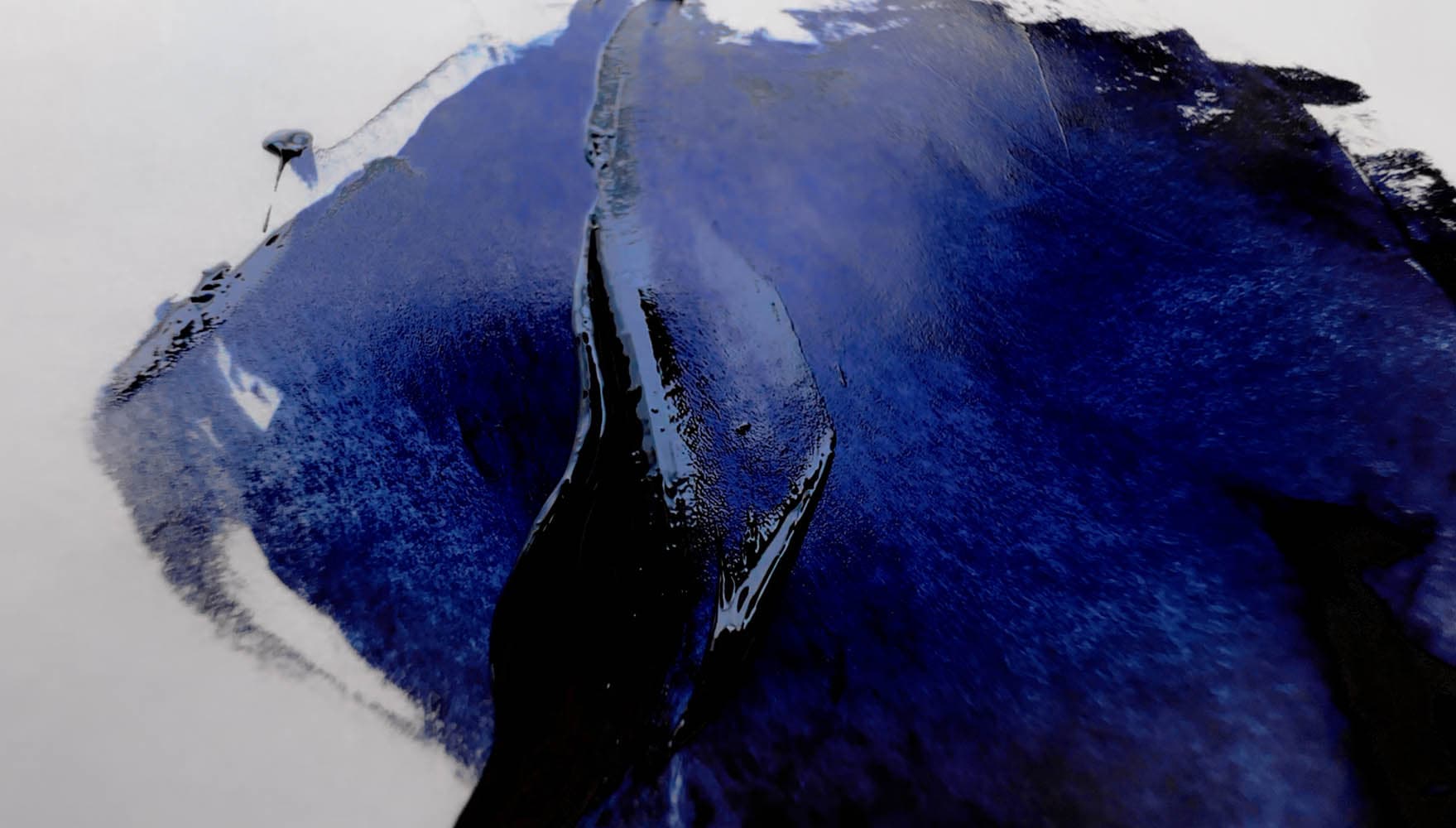
This pigment requires a fairly high amount of oil and yet it is a fast drier. We've heard tales of the paint alligatoring -- where a blob wrinkles up as the paint dries.
Prussian Blue is generally thought of as not really toxic, but we were surprised to hear of unexpected hazards. For toxicity please consult Monona Rossol's work available via her site.
Resources
PB27 pigment data from David G. Myers, The Color of Art Pigment Database, Artiscreation.com
Church, A. H. The Chemistry of Paints and Painting. London : Seeley, Service, 1915. Internet Archive, Web. Accessed June 2025. https://archive.org/details/chemistryofpaint00churuoft
Field, George. Field's Chromatography : a treatise on colours and pigments for the use of artists. London : Winsor and Newton, 1885. Internet Archive, Web. Accessed June 2025. https://archive.org/details/Fieldquotschrom00Fiel
Gettens, Rutherford J.. Painting materials : a short encyclopaedia. New York : Dover Publications, 1966. Internet Archive, Web. Accessed June 2025. https://archive.org/details/paintingmaterial0000gett Feller, Robert L, ed.. Artists' pigments : a handbook of their history and characteristics. Washington, DC : National Gallery of Art, 1986. Internet Archive, Web. Accessed June 2025. https://archive.org/details/artistspigmentsh0000unse
Information about PB27 from Bruce MacEvoy, Handprint Guide to Watercolors, General information about this class of pigments from Handprint
CAMEO Materials Database: Conservation & Art Materials Encyclopedia Online, Museum of Fine Arts Boston. (Accessed June 2025). Prussian Blue https://cameo.mfa.org/wiki/Prussian_blue. Museum of Fine Arts Boston,
Rossol, Monona. The Artist's Complete Health and Safety Guide. New York, NY : Allworth Press, 2001. The book is rather dated, updated information is available from her website
Mayer, Ralph. The Artist's Handbook of Materials and Techniques, 5th ed., New York, NY, Penguin Group, 1991. https://amzn.to/44OzBN9
Stats
Lightfastness
Variable, Some show fading in tints
Debates have raged back and forth for years in the literature about the lightfastness of Prussian Blue. While it usually gets a blanket ASTM I (Excellent), the full story is a lot more complicated. Golden’s recent Lightfastness Testing in oils showed variability for PB27 due to the choice of mixing white. The lightfastness tanks in Flake White. Their main table of results (Table 3) it shows mostly ASTM I and II behavior, however results were not included there for Flake White and Zinc White (for Flake White performance see Table 9). The lightfastness slid to ASTM II in Titanium White in Linseed oil. It also showed some potential sensitivity to humidity (Florida testing) where it performed poorly, and also showed significant fading in QUV testing. The NPIRI shows that depending on the source reporting, in tints, there may be “appreciable” fading.
Transparency
Varies, Transparent, Opaque
Toxicity
Previously thought to be in the category of Lower Concern but may have some hazards
Described as “only slightly toxic” and used in some contexts medicinally, there are a few serious caveats since one does not always know the origin of their pigments. Avoid acid, high heat, and strong UV. Please see Monona Rossol's work for more information. NPIRI mentions analysis of free CN, which is normally tightly bound. Treat all pigments and paints with studio safety protocols.
Dry Time
Most PB27 paints average around 2 days
Oil Content
Varies. Some sources say high, but the comparison by volume can actually be low. Mayer assigned Prussian Blue high oil volume, with a score of 96.
Sources vary on this one. Some list medium-high to very-high while Williamsburg listed it as very low on a comparison article. More information available here. When made into a paint it may have slightly higher requirements, as we have heard that pure pigment and oil is less than ideal for Prussian Blue (see the comments on the linked article for more).
Chemical Name
Synthetic Ferric ferrocyanide, ferriammonium ferrocyanide, alkali ferric ferroyanide
DISCLAIMER: Please note that we are not experts in health and safety and we are not toxicologists, please consult the proper experts. We are not liable for any issues that may arise from the use of our website or its contents. The information contained in this site is provided without warranty or guarantee of any kind. We do not necessarily endorse any other website that are linked from our site. For any important pigment specs, please reference the manufacturer details. If you discover errors or omissions, please reach out through our contact form. Thank you.
