

Lead Tin Yellow Type I (Genuine Historical Pigment)
Lead Tin I
Alternate Names
Lead Stannate Type 1
Giallorino
Massicot
Pigment Description
There are two main lead-tin yellows, and among them there are differences in the shade of yellow. Type I is usually a lemon yellow which tends to be brighter than Type II. This color does not have a pigment code. Also bear in mind that Lead Tin Yellow Type 1 is different from the other lead yellows (specifically it is distinct from Naples Yellow Genuine, PY41). The two pigments are distinct (more on this below).
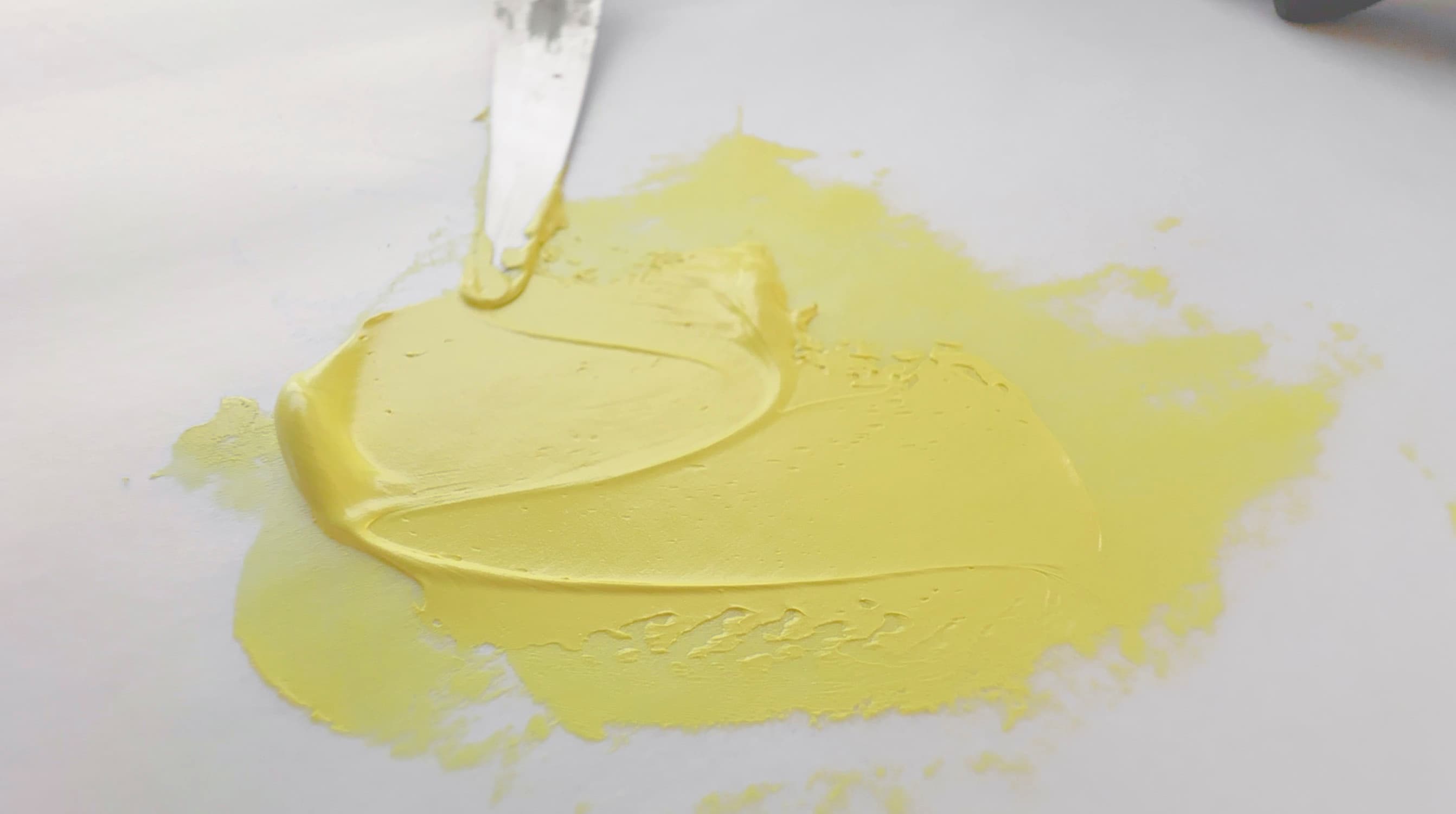
Michael Harding Lead Tin Yellow Lemon- Lead Stannate
According to CAMEO Type 1 has a tendency to interact to form lead soaps in paint films.
Like all lead paints, Lead Tin Yellow is extremely toxic.
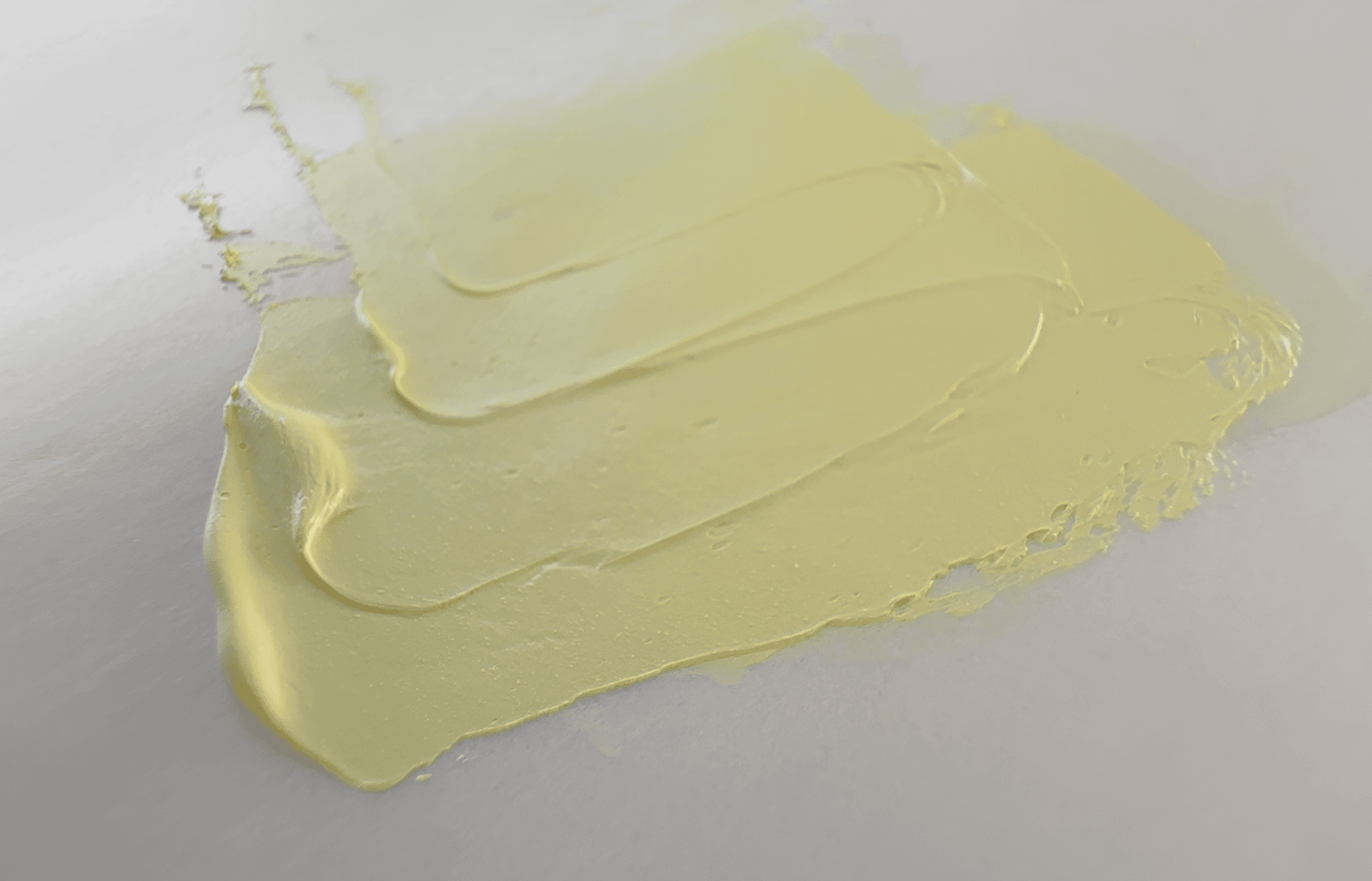
Michael Harding Lead Tin Yellow Light - Lead Stannate
Lead Tin Yellow I is sometimes known sometimes as Giallorino, the terms Lead Tin Yellow, Naples Yellow genuine, giallolino, giallorino, massicot, and litharge, but unfortunately some of these terms have been used to describe other pigments as well. Unfortunately all these terms need a little bit of clarity by adding the chemical name, as they may or may not refer to similar things when people use them.
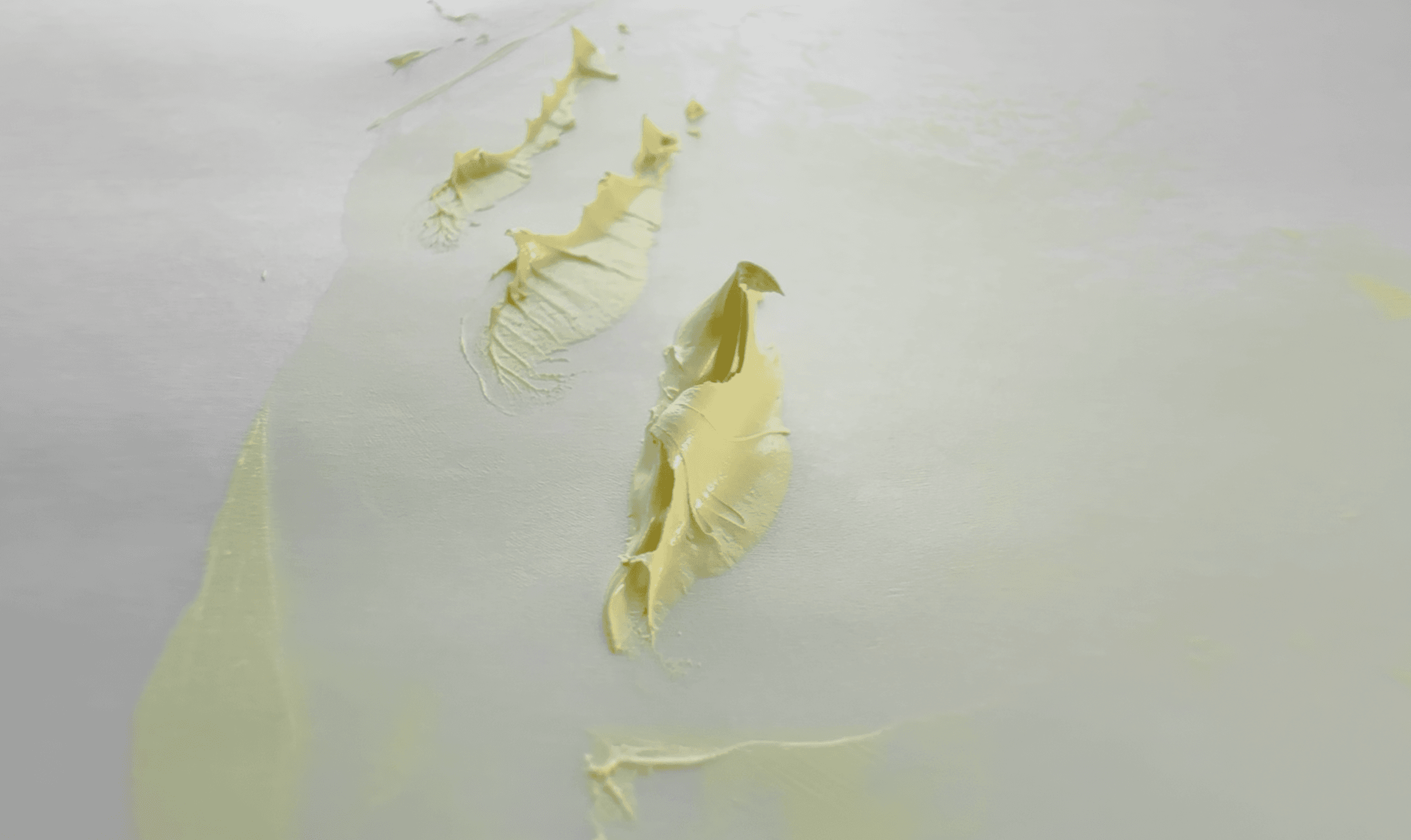
Michael Harding Lead Tin Yellow Light- Lead Stannate
Part of the reason for the confusion in names may lie in historical reasons that go beyond this brief overview, but in short there was a kind of rediscovery of Lead Tin Yellows in modern times. In terms of Type I and Type II, Artiscreation notes that Type II is "redder and deeper...and more transparent" than Type I.
Lead Tin Yellow Type I has a somewhat heavy physical weight, and it’s mellow in the way that it mixes. In terms of color behavior, the lead yellows are more mild than most synthetics, most cadmiums, and have a semi-transparency to them. However they are poisonous and expensive.
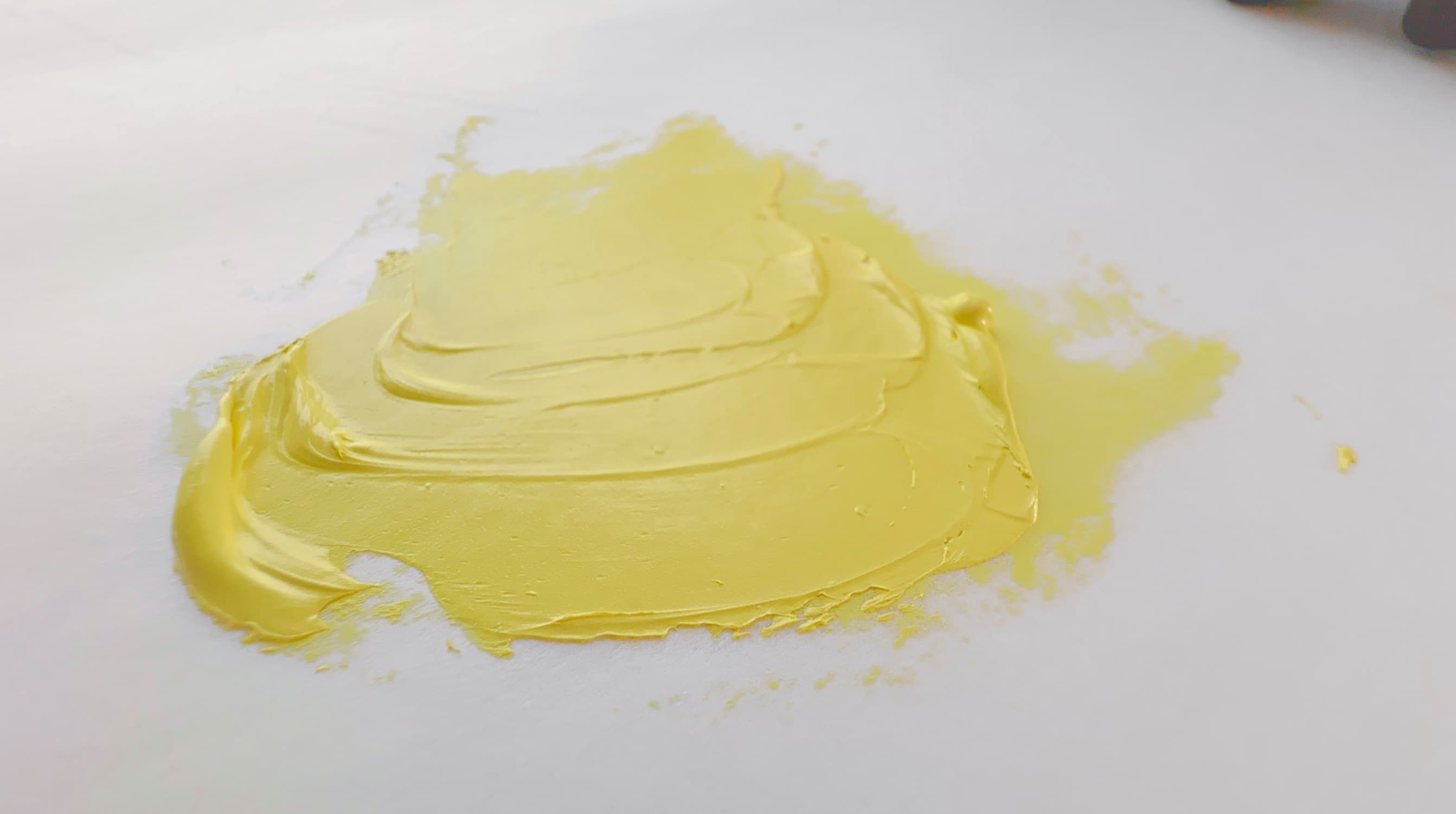
Michael Harding Lead Tin Yellow Lemon - Lead Stannate
Resources
CAMEO Materials Database: Conservation & Art Materials Encyclopedia Online, Museum of Fine Arts Boston. (n.d., accessed June 2025). Lead Tin Yellow https://cameo.mfa.org/wiki/Lead-tin_yellow. Museum of Fine Arts Boston.
Stats
Lightfastness
Considered Lightfast
We do not know of any specific lightfastness studies. Natural Pigments mentions that it has "not been rated for lightfastness by the ASTM, but independent studies have shown that it is permanent in most vehicles…"
Transparency
Semi-Opaque
Toxicity
Toxic
CAMEO has notes on the toxicity of this pigment. Artiscreation assigns this pigment a "C", meaning "\Hazardous, use appropriate precautions for handling toxic substances, especially if working with the dry powder; Do not ingest; Avoid dust & spray." There are also extremely serious hazards for pigments containing lead. We are not toxicologists so we suggest consulting third party research as well as manufacturer MSDS. Also see Monona Rossol's research available upon request here for more information on pigments with lead.
Tinting
Medium
Dry Time
Medium
Particle Size
Fine-Grained
DISCLAIMER: Please note that we are not experts in health and safety and we are not toxicologists, please consult the proper experts. We are not liable for any issues that may arise from the use of our website or its contents. The information contained in this site is provided without warranty or guarantee of any kind. We do not necessarily endorse any other website that are linked from our site. For any important pigment specs, please reference the manufacturer details. If you discover errors or omissions, please reach out through our contact form. Thank you.
